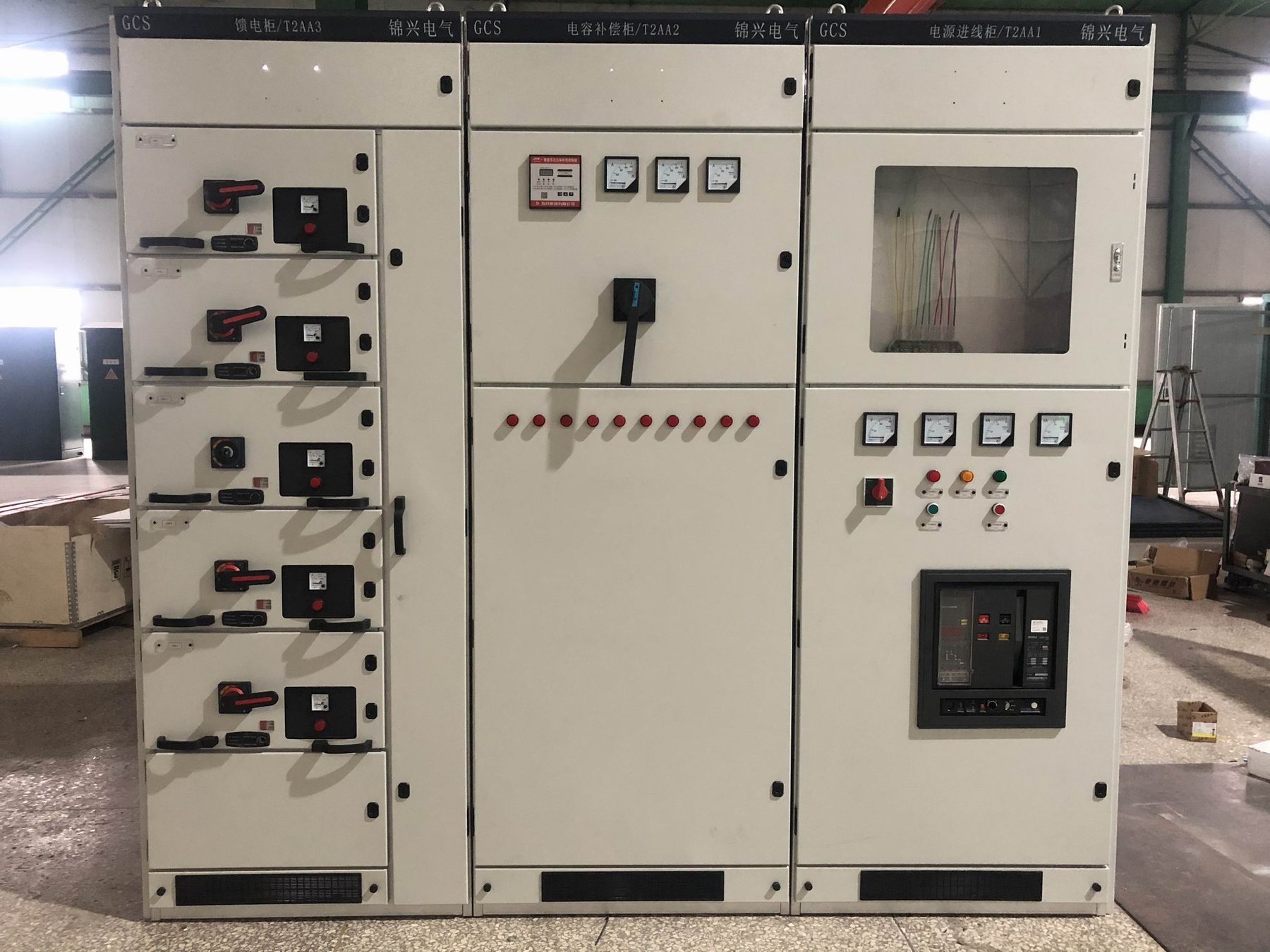
Specify the incomer's role before its frame size
The main incomer connects the supply to the switchboard and participates in protecting the downstream distribution. Start with the normal load, credible overload conditions, source fault data and required continuity between feeders. Do not select an air circuit breaker solely because its frame label exceeds the transformer current.
Ask for the actual trip-unit configuration and applicable continuous-current conditions. A frame capability, a sensor rating and an adjustable protection setting are not interchangeable descriptions of the purchased assembly. The selected combination should appear on the offered component schedule.
Keep four ratings and functions separate
| Review item | Procurement question | Evidence to request |
|---|---|---|
| Continuous loading | What current can the installed arrangement carry? | Breaker and assembly loading conditions |
| Fault interruption | What fault duty applies at the operating voltage? | Declared breaking ratings and device evidence |
| Selective delay | What delay is permitted for the coordination strategy? | Applicable short-time withstand and protection review |
| Main circuit path | Do connections and busbars support the required duty? | Assembly verification and connection drawings |
IEC 60947-2 addresses LV circuit breakers, while the complete switchboard requires its applicable assembly specification. A breaker document alone cannot establish the finished board's capability. IEC circuit-breaker scope.
Review selectivity without assuming unlimited delay
An upstream delay may be proposed so a downstream device clears a fault first. The responsible designer must check the selected devices and the equipment exposed during that delay. Schneider Electric's coordination guidance identifies short-time withstand as relevant to time-based selectivity. Coordination between circuit breakers.
Request a coordination result for the actual incomer and outgoing devices, including relevant source states. Do not infer total selectivity simply from different ampere ratings. If the offer relies on a communication-assisted function, identify compatible devices, wiring and the agreed test scope.
Example: a breaker rating hides a board limitation
Consider an illustrative quotation with an ACB whose headline breaking capacity satisfies the stated fault current. The buyer also requests a selective delay, but the quotation does not state the assembly's withstand basis for that condition.
The missing information cannot be resolved by repeating the breaker rating. Ask for a coordinated response covering the breaker, busbars, connections and protection assumptions. If the proposed delay changes, the designer should reassess both fault clearance and feeder continuity before accepting the revision.
Decide how the incomer will be maintained
Fixed and drawout arrangements have different replacement and access provisions. Identify the operating and isolation assumptions, extraction route and any required handling equipment. These details should come from the offered assembly and manufacturer instructions; drawout construction is not permission for work on energized equipment.
List required auxiliary contacts, trip and close accessories, indication and metering separately. Clarify whether spare components or a replacement breaker are included and how their compatibility is identified.
Send the source diagram, fault study, load schedule and coordination objective with an LV switchgear enquiry. Request the proposed ACB configuration as part of the complete panel offer through the project contact page. Specific breaker brands, ratings and independent device supply are subject to confirmation.