Supplier evaluation
Dry-Type Transformer Manufacturer Checklist
Assess dry-type suppliers against the required voltage range, thermal design, enclosure, monitoring, drawings, reports, and project support.
Read the guide
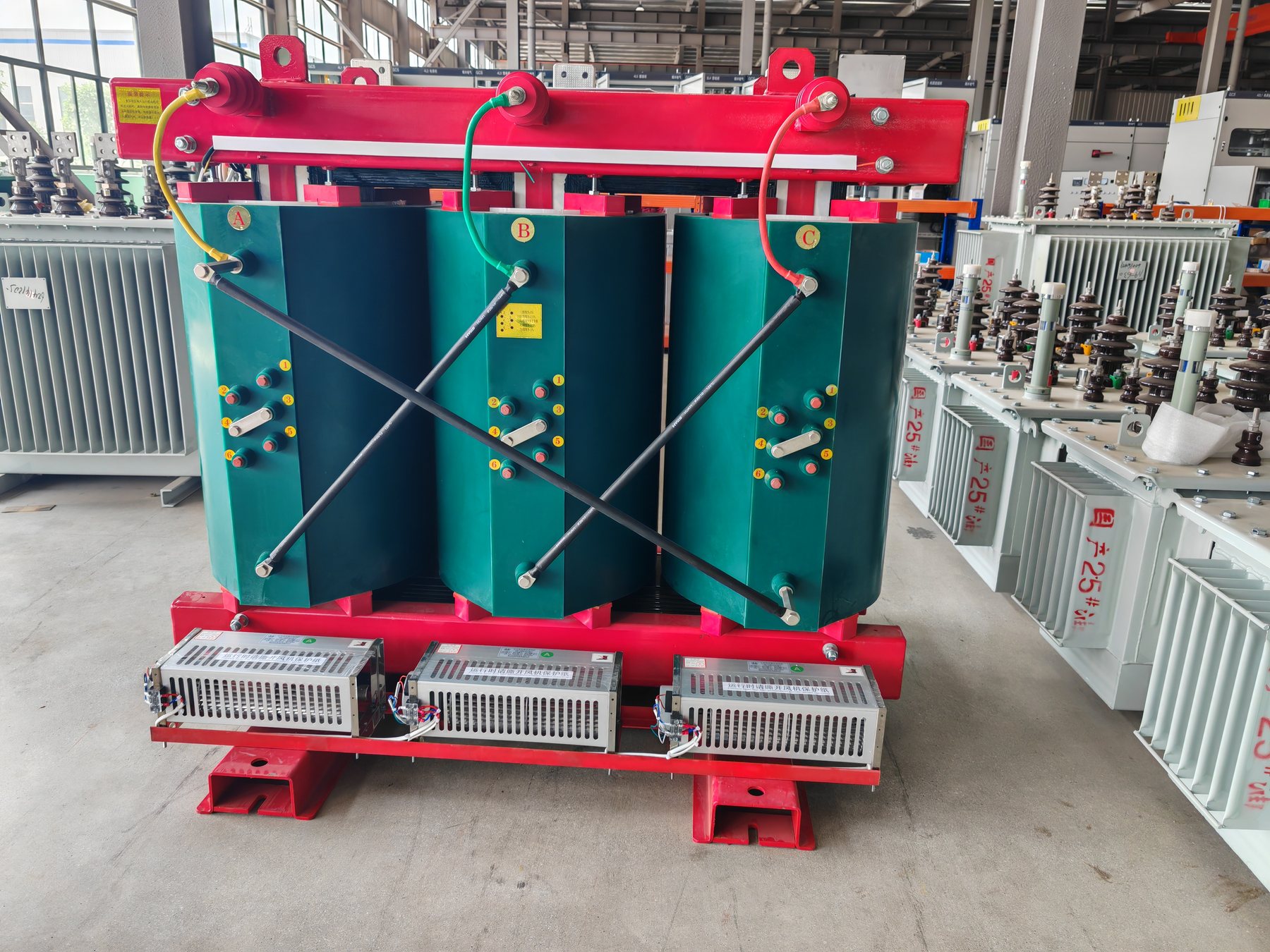
Dry-type transformers use air or resin insulation instead of transformer oil and are commonly considered for indoor distribution. Jinxing Electric manufactures SCB11, SCB12, SCB14, and 66kV dry-type transformer configurations for factories, substations, commercial buildings, and industrial power projects.
Dry-type transformers are preferred where fire safety, low maintenance, and indoor installation are important. They are commonly installed in distribution rooms, commercial buildings, factories, infrastructure projects, and compact substations.
Jinxing Electric supports project-based voltage, capacity, enclosure, cooling, protection, and documentation requirements for overseas procurement and engineering review.
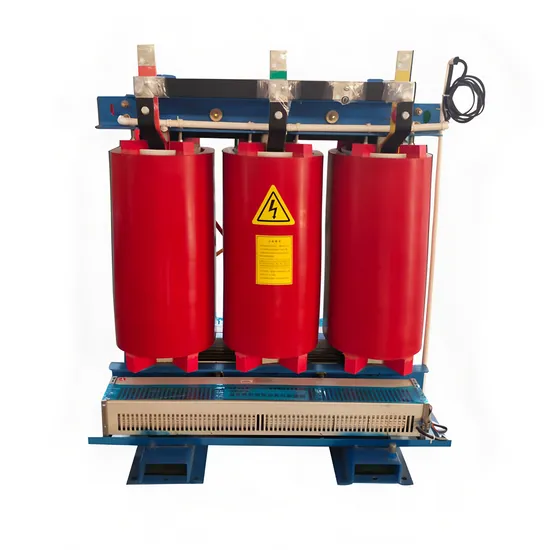
SCB11 platform for commercial buildings and plant distribution rooms.
View Details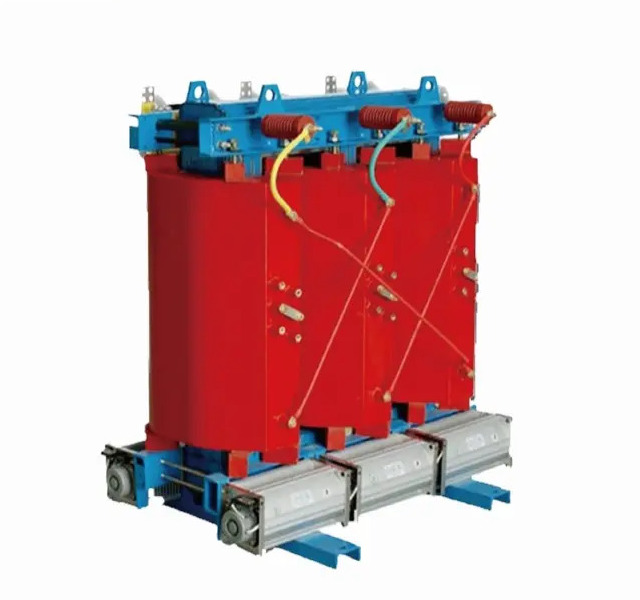
SCB12 dry-type transformer for indoor medium-voltage distribution.
View Details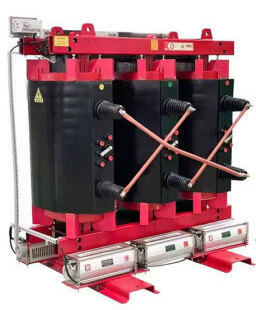
Dry-type configuration for a 35kV project; losses and insulation require model-specific data.
View Details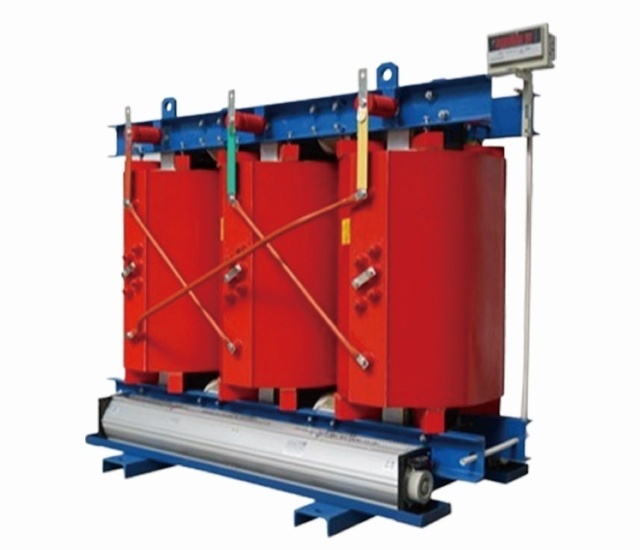
Higher-voltage dry-type transformer for specialized indoor systems.
View Details| Model | Voltage / Rating | Typical Application | Proof / Document |
|---|---|---|---|
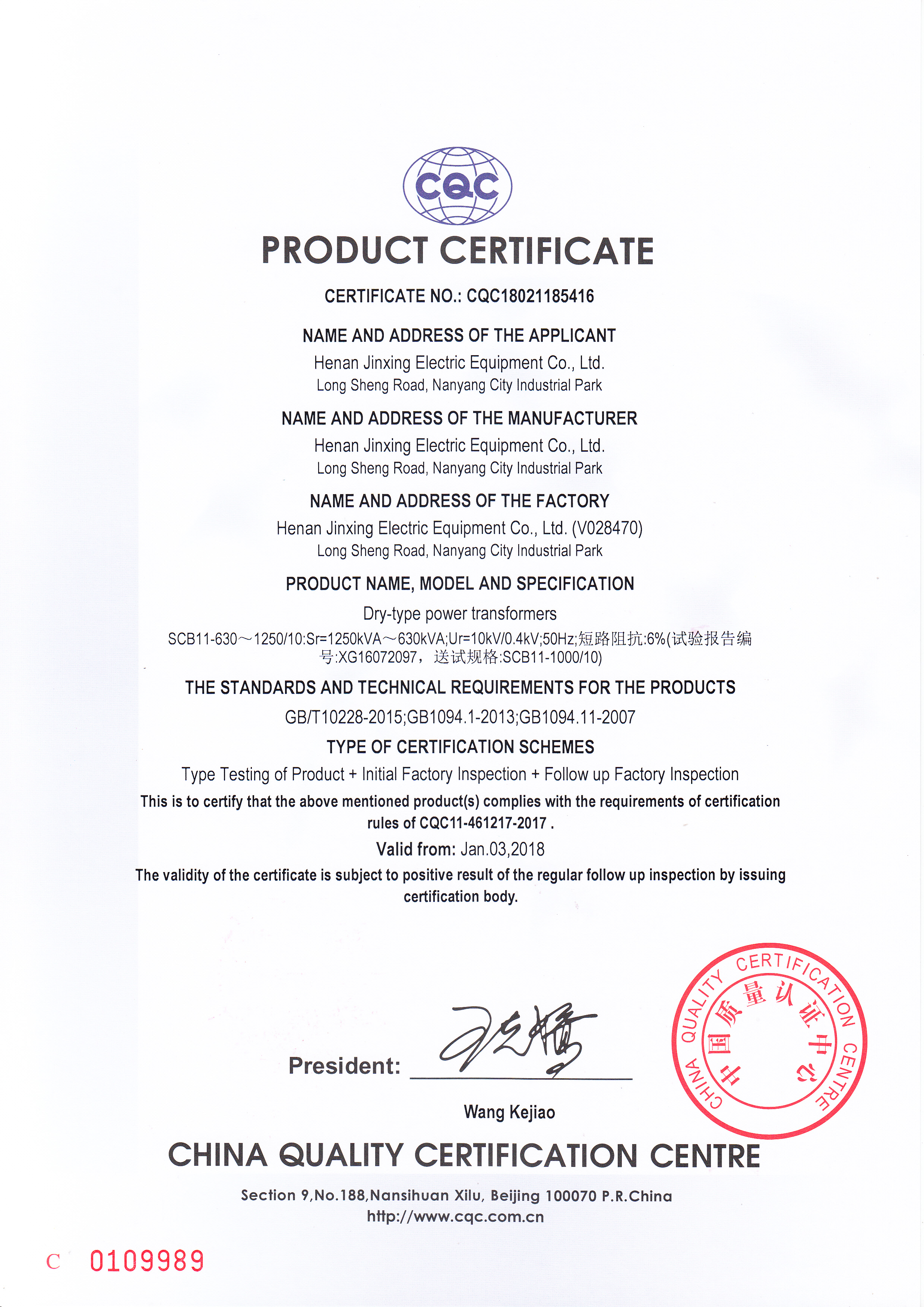
| 10kV Dry-Type Transformer | 10kV class | Indoor distribution rooms, factories, commercial buildings | SCB11 10kV sample certificate; current scope to confirm |
| 20kV Dry-Type Transformer | 20kV class | Industrial distribution, substations, infrastructure | 20kV report scope to confirm |
| 35kV Dry-Type Transformer | 35kV class | Medium-voltage indoor systems | 35kV report scope to confirm |
| 66kV Dry-Type Transformer | 66kV class | Higher-voltage indoor distribution projects | Project documents on request |
Use these guides to define a complete specification before comparing suppliers. Each guide connects an engineering or procurement decision to the matching Jinxing product range and quotation inputs.
Assess dry-type suppliers against the required voltage range, thermal design, enclosure, monitoring, drawings, reports, and project support.
Read the guideSeparate routine tests, agreed witness tests, incoming checks, monitoring interfaces, and site pre-energization checks.
Read the guideCompare product scope, technical evidence, drawings, test records, quotation boundaries, and delivery responsibility before shortlisting a transformer manufacturer.
Read the guideTurn voltage, demand, load profile, impedance, tapping, losses, site conditions, and future growth into a quote-ready transformer specification.
Read the guideNormalize ratings, losses, accessories, tests, documents, packing, and exclusions before comparing transformer prices.
Read the guideCompare network position, loading profile, voltage class, cooling, regulation, losses, protection, and maintenance instead of relying on the product label alone.
Read the guideEvaluate fire strategy, harmonics, noise, ventilation, enclosure, redundancy, cable interfaces, and maintenance access for building projects.
Read the guideCoordinate sensors, alarm and trip functions, fan control, ambient conditions, control power, and operating response.
Read the guideBuild a complete three-phase transformer datasheet covering ratio, vector group, impedance, tapping, cooling, losses, terminals, accessories, and tests.
Read the guideStandards and sample files are references for technical review. Ask which edition, model, rating and tests apply to the quoted configuration.
For a useful first response, share the single-line diagram, voltage class, transformer capacity or feeder duties, destination country, applicable standard, quantity, and required delivery date.
Choose a dry-type transformer for indoor installations, commercial buildings, substations, and projects where fire safety, lower maintenance, and no transformer oil are important.
Yes. Capacity, voltage ratio, enclosure, cooling method, accessories, and documentation can be configured according to project requirements.
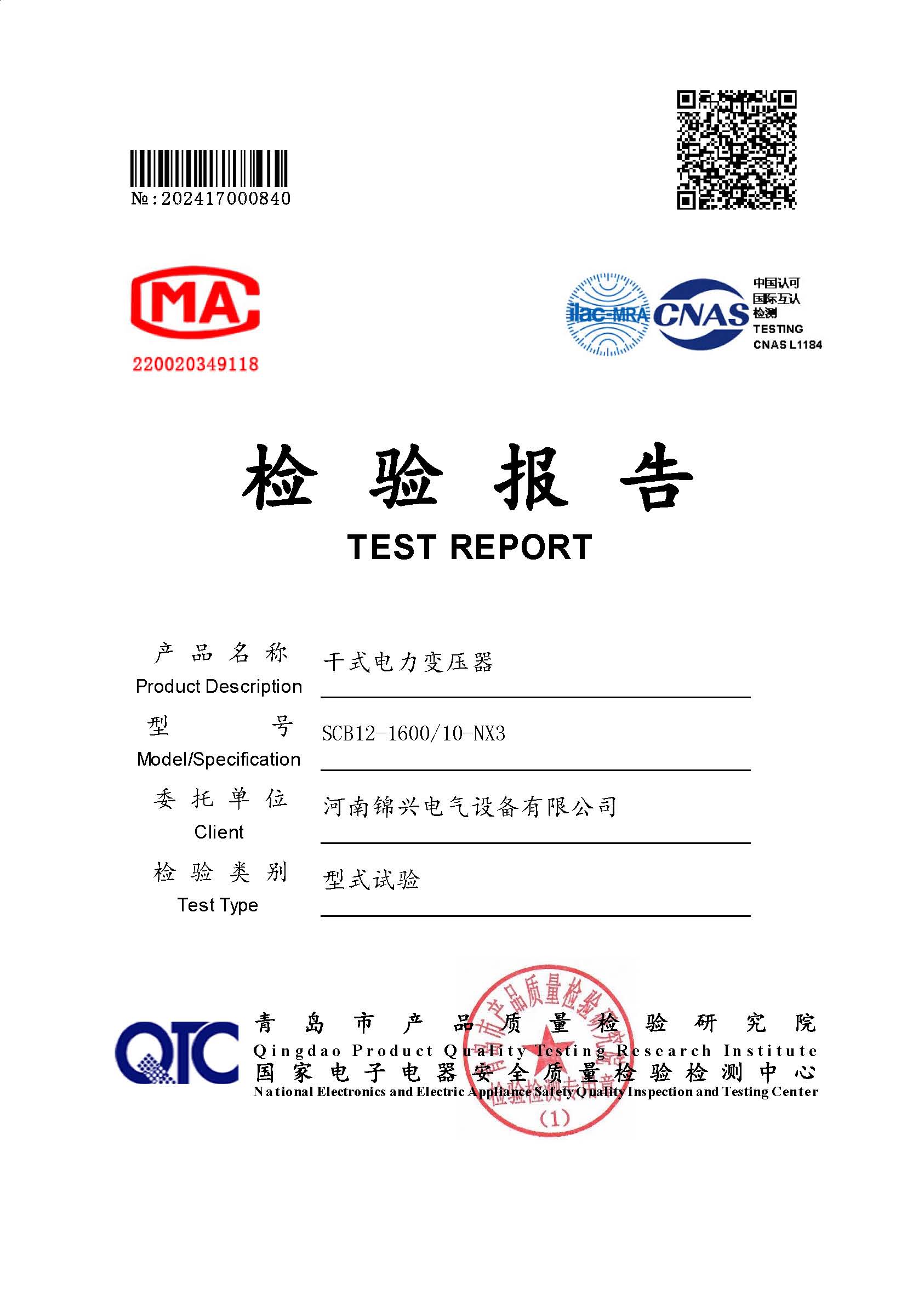
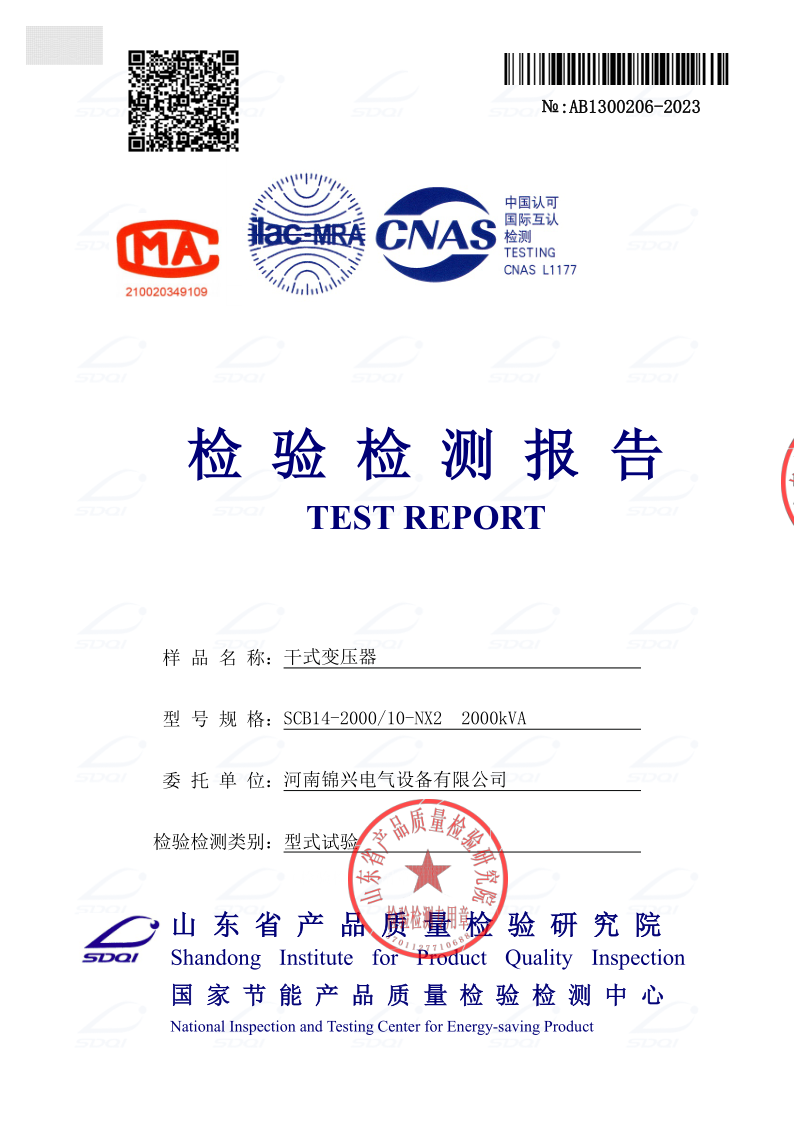
Jinxing Electric can provide brochures, technical data, certificates, test reports, outline drawings, and quotation documents for engineering review.
Need a complete datasheet, drawing, or quotation? Contact Jinxing Electric with your project requirements.