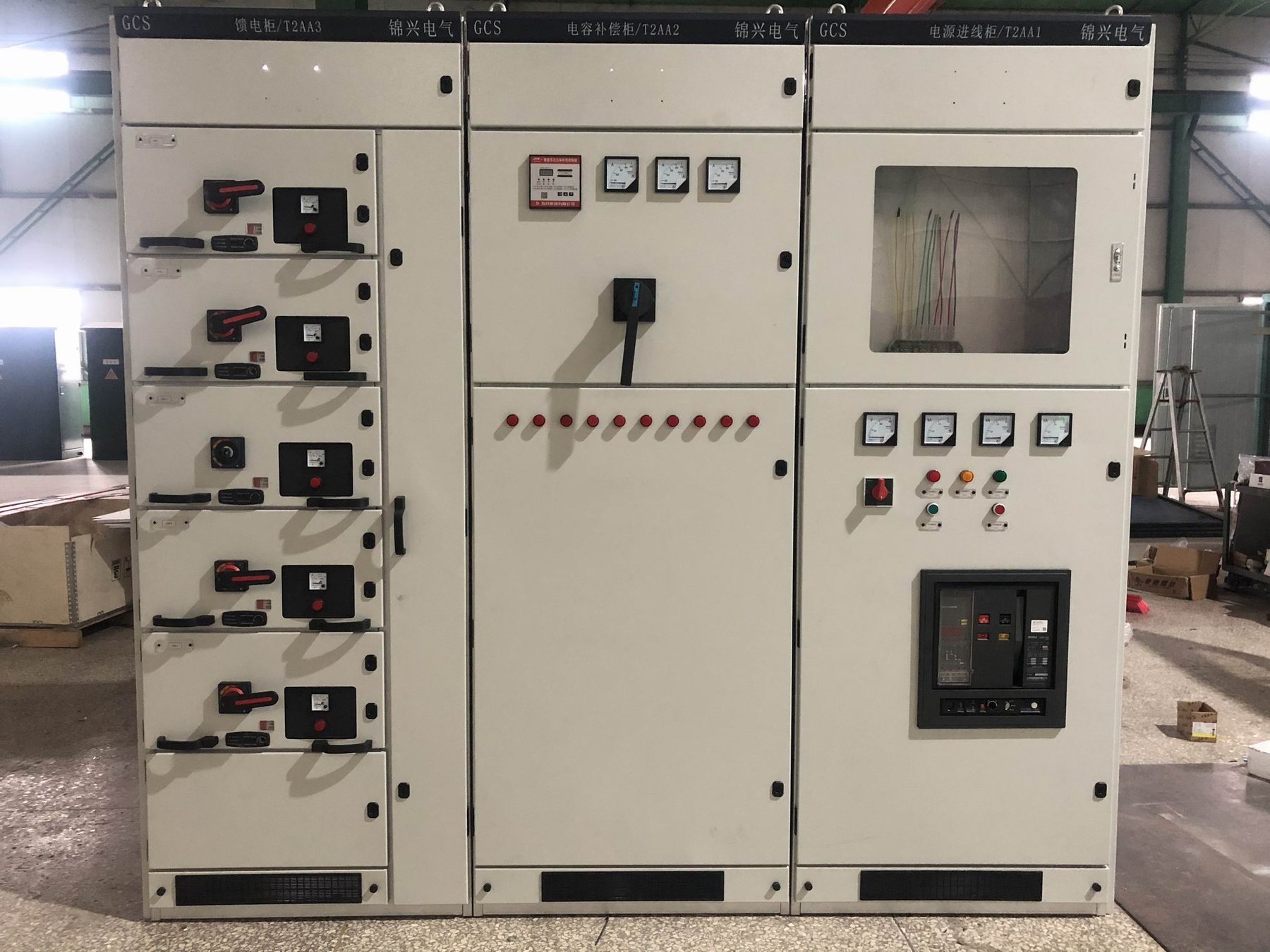
A detuned reactor should be selected from the electrical network assessment, not added to a capacitor bank by copying a percentage from another factory. Before ordering compensation equipment, establish the power-factor objective, harmonic environment, supply configurations and expected operating range. The useful procurement output is a reviewed capacitor-reactor arrangement with explicit assumptions.
Distinguish compensation from harmonic treatment
Power-factor correction and harmonic mitigation are related but separate objectives. A bank intended to supply reactive power should not automatically be described as a harmonic filter. Ask the designer to state what the proposed arrangement is expected to achieve and what performance has not been promised.
IEC 61642 addresses the application of filters and shunt capacitors in industrial networks affected by harmonics. Its relevance is the network interaction, rather than a universal detuning choice for every cabinet. The project assessment should identify the load and supply conditions on which the selected solution depends.
Obtain representative data before selecting stages
A single power-factor reading is rarely enough to describe the required operating duty. Request measurements across representative shifts, partial production and major switching conditions. Identify existing capacitors, electronic loads and any alternative power source. Record where the measurements were taken and which equipment was operating.
| Operating condition | Evidence to request | Decision affected |
|---|---|---|
| Normal production | Load, power factor and harmonic measurements | Required compensation duty and stage arrangement |
| Light-load period | Minimum reactive demand and existing compensation | Risk of excessive compensation or unnecessary switching |
| Generator supply | Generator limits and permitted capacitor operation | Whether stages should be inhibited or constrained |
| Large electronic-load change | Revised harmonic spectrum and network information | Whether the original assessment still applies |
| Existing capacitor bank retained | Ratings, condition and control interaction | Coordination of old and new equipment |
Example: utility and generator operation
Imagine a factory whose compensation bank is designed around normal utility supply. During outages, a generator powers only a small essential-load section. If the same compensation stages remain available without a reviewed control strategy, the equipment is operating under conditions different from those used in the original selection.
The RFQ should identify both source configurations and ask for the required control interface. The answer might involve inhibiting particular stages or another designer-approved arrangement. It should not be guessed from the cabinet's kvar label. Confirm how the controller receives the source-status information and how that interface is tested.
Review the capacitor and reactor as a matched arrangement
Ask the supplier to identify the proposed capacitor voltage duty, reactor characteristics, stage sizes and thermal provisions together. A reactor selection can affect capacitor stress and the cabinet heat load. Comparing capacitor kvar alone may conceal materially different operating assumptions between quotations.
Request the basis for any stated detuning value, the network conditions used and the expected limitations. If information is incomplete, the quotation should state what remains subject to review. Avoid an unsupported promise that one fixed detuning percentage will solve all distortion or prevent every resonance condition.
Control behaviour belongs in the purchase specification
Specify the controller's measurement point, target behaviour and the expected stage-switching duty. Ask how failed stages, abnormal temperature and loss of the necessary sensing or control supply are indicated. The protection and discharge arrangements should be documented for the equipment actually supplied.
Where the process load changes quickly, describe that variation and ask whether the proposed switching method is suitable. A catalogue description of automatic compensation does not establish its response to a particular welding cycle, crane duty or production sequence. These are inputs for a project review rather than reasons to assume one switching technology is always required.
Release the order with the assessment attached
For a reactive power compensation cabinet, send the measurements, source diagram and existing-bank information with the enquiry. Request a technical response separating confirmed selection values from assumptions and pending measurements. Agree the acceptance measurements and the responsible reviewer before purchase, so the installed bank can be evaluated against an actual objective instead of a vague claim to improve power quality.