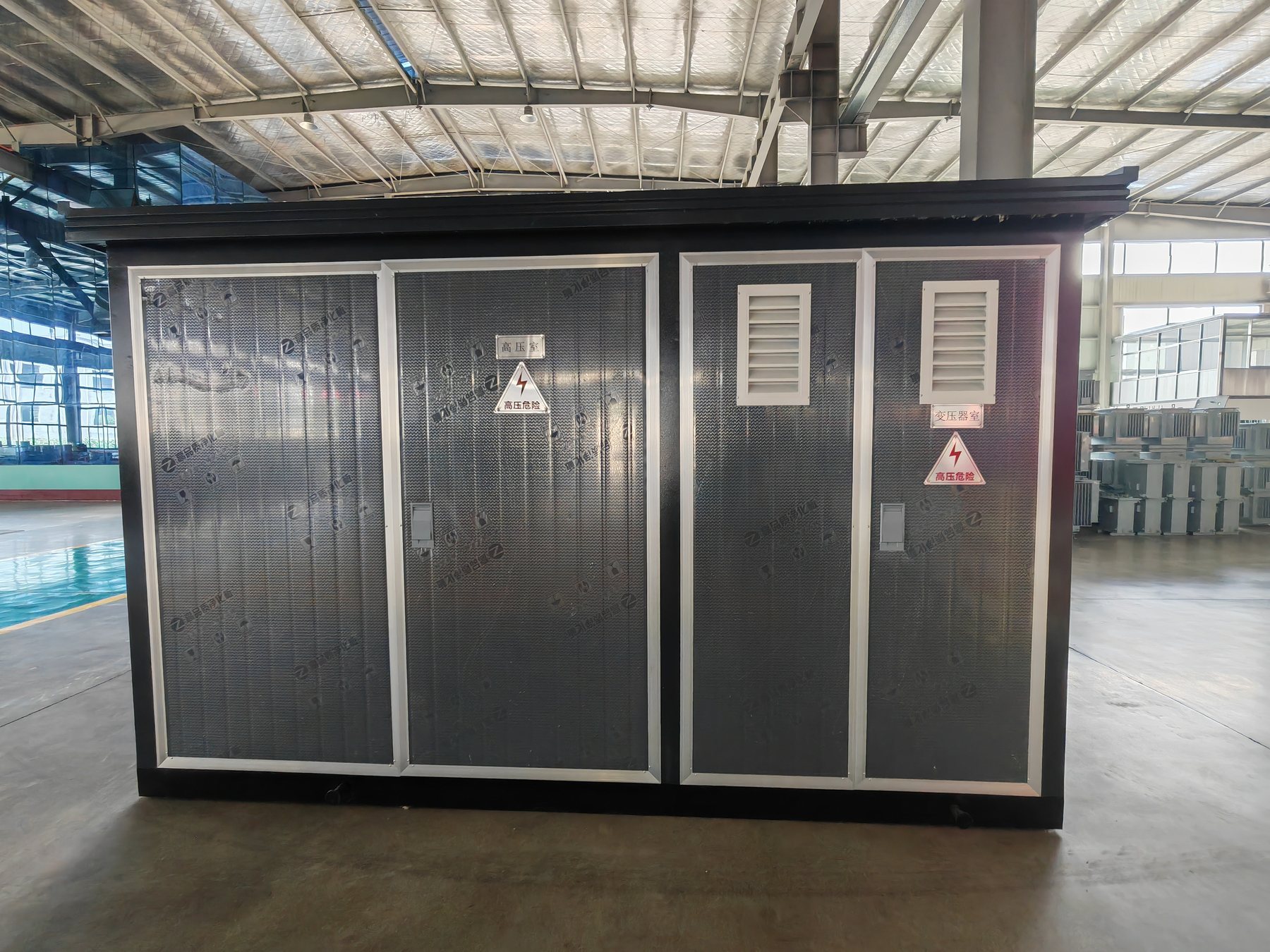
Define what containerized means in the offer
A container-shaped electrical building, a modified freight container and a modular enclosure transported as project cargo are different commercial and engineering proposals. Ask the supplier to identify the actual structure and transport method. Standard-looking dimensions or corner fittings alone do not settle that question.
IMO describes the Convention for Safe Containers as addressing the transport and handling safety of containers within its scope. A reference to CSC is not electrical assembly verification, and an electrical product report is not transport approval. IMO CSC explanation.
Record which transport requirements apply to the proposed shipment and who provides the relevant evidence. Do not advertise a modified enclosure as approved merely because an original freight container carried a plate.
Ask for two equipment arrangements
Request drawings for both shipping condition and operating condition. They should identify removed components, temporary bracing, access covers, external equipment and site-installed connections. The difference between these drawings defines part of the site work.
| Transport interface | Document to obtain | Scope decision |
|---|---|---|
| Shipping envelope | Packed dimensions and mass by shipping unit | Route and carrier acceptance |
| Lifting arrangement | Approved lifting points and handling information | Who supplies lifting equipment and performs the lift? |
| Shipping splits | Marked bus, power and control disconnections | Who provides joining materials and reconnection work? |
| Removed accessories | Identified packing and preservation list | Who reinstalls and checks them? |
| Arrival condition | Agreed inspection and damage-report process | Which records are required before site acceptance? |
Use actual shipment information rather than a generic enclosure outline. Internal equipment positions and centre-of-gravity information can matter to handling even when outer dimensions are unchanged.
Example: a complete factory test leaves site interfaces open
Suppose a hypothetical modular package is wired and tested at the factory, then divided for transport. At site, the buyer discovers that bus joints and control links need reconnection, but the installation contract excludes that work.
The factory result still describes the tested arrangement; it does not mean every post-shipment interface has been accepted. The purchase order should identify the split locations, joining scope and required site checks. Price qualified supervision or installation work explicitly where needed.
Keep enclosure services visible
A walk-in module may need lighting, auxiliary distribution, ventilation and other services selected for the actual design. Identify whether those systems are supplied, commissioned or only accommodated. Include the information needed to evaluate the installed heat loads and operating environment.
Also decide which equipment can be removed later. Shipping the completed enclosure once does not prove that a failed internal component can be extracted from its permanent location. Ask for the replacement concept before fixing doors, partitions and neighbouring structures.
Confirm supply feasibility before selecting the transport format
Send the electrical diagram, site constraints, transport route, shipping preferences and expected site scope through the project enquiry page. Ask whether the requested containerized arrangement is available and what evidence supports it.
The compact substation range provides related package options, but those listings do not verify a containerized design, freight-container approval or a particular transport capacity. Final structure, electrical configuration and logistics require project-specific confirmation.