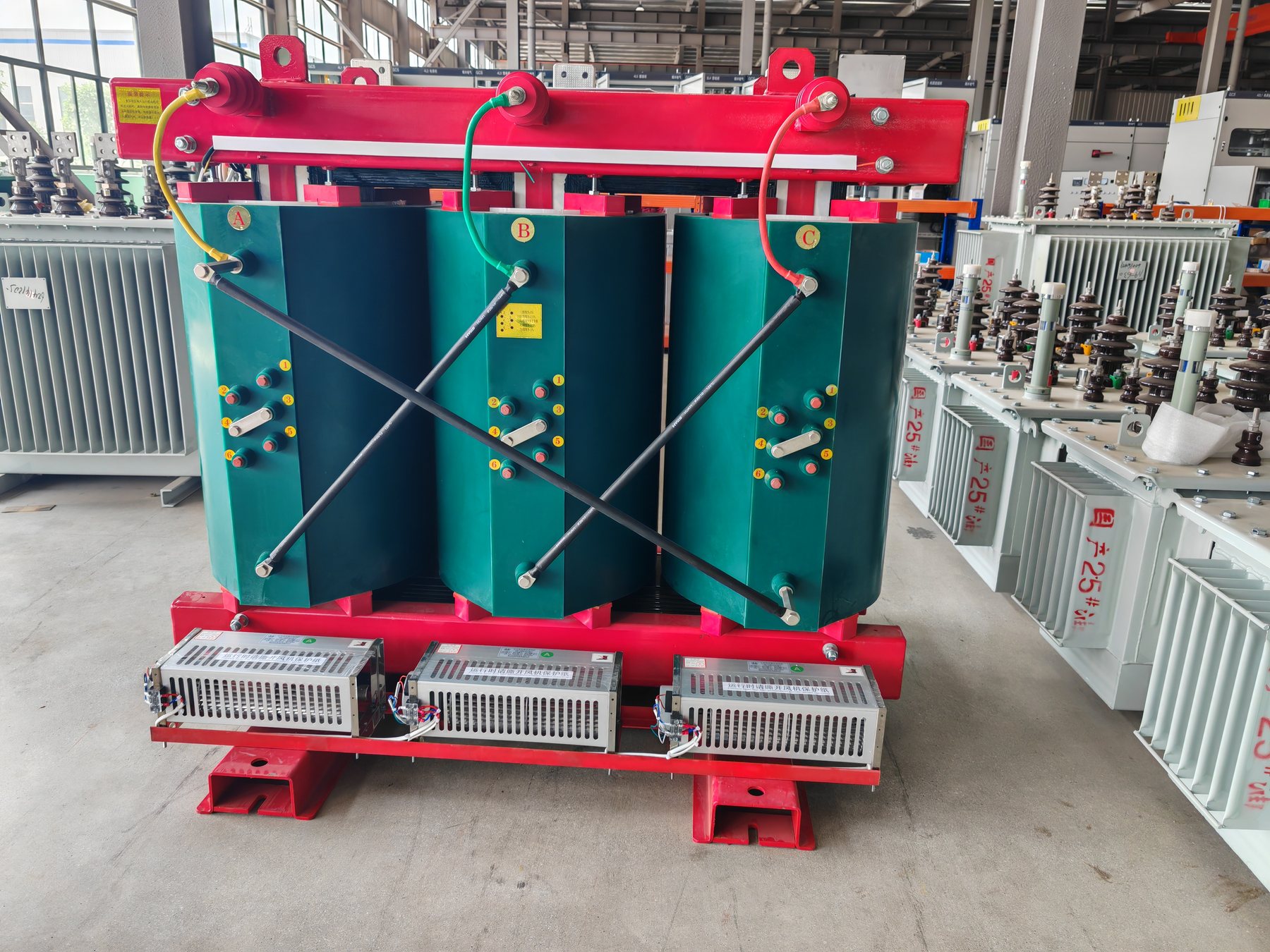
Locate the transformer in the power architecture
Identify what the transformer supplies and which equipment can transfer its load. A transformer upstream of a UPS has a different interface from one serving mechanical cooling or another distribution stage. Mark its position and all permitted source paths on the single-line diagram.
The design should distinguish normal sharing from the loading after a path becomes unavailable. Schneider Electric's data-center guidance discusses the need for an alternate path to accept transferred demand without overload. That is a system design question, not a certification provided by choosing a transformer. Dual-path distribution guidance.
Create an operating-state load table
| Operating state | Load information to provide | Transformer question |
|---|---|---|
| Normal operation | Demand on each path and credible diversity | Required continuous loading and losses |
| One path unavailable | Loads transferred to the surviving equipment | Capacity under the approved contingency duty |
| Planned maintenance | Temporary connections and retained loads | Loading and access assumptions during the work |
| UPS recharge or bypass | Actual equipment input characteristics | Changed demand and interface conditions |
| Future IT expansion | Confirmed stages and cooling load changes | When another capacity review is required |
Use the equipment suppliers' actual data for each mode. A single UPS kW label may not describe its complete upstream demand across all operating states. Keep IT and cooling loads visible rather than combining them into an unexplained margin.
Example: the normal load looks comfortably low
Consider a hypothetical two-path installation where each transformer usually carries part of the total load. The procurement team compares only those normal readings and concludes that both units have substantial spare capacity.
The useful review asks what happens when one path is unavailable and which loads actually transfer. Some loads may remain on another source, while others may move together. The resulting table can reveal that the surviving transformer, cable or switchboard reaches its permitted duty well before the assumed expansion allowance is used.
Record the approved operating states with the equipment order. Later changes to UPS grouping or distribution paths should reopen the affected loading assessment instead of relying on the original normal-load figure.
Coordinate thermal suitability with the installed room
Request the offered rating, losses and applicable ambient and enclosure conditions for the agreed duty. The mechanical designer needs the resulting heat rejection under both normal and contingency operation. If a cooling option is proposed, its permitted duty and response to auxiliary failure should be explicit.
Harmonic loading and neutral duty also require actual equipment information, but they are separate from redundancy. A thermally suitable waveform does not prove the required path independence or facility availability. When reviewing the dry-type transformer family, include the load mix, harmonic spectrum and neutral requirements in the enquiry.
Ask for equipment evidence without claiming facility status
Specify the required reports, monitoring interfaces and handover records for the actual transformer. Any availability classification or operational certification belongs to the applicable facility assessment and cannot be inferred from a product-family page.
Send the power architecture, operating-state table and installation conditions with a dry-type transformer enquiry through the quotation page. Jinxing's listed models require technical confirmation for the stated data-center duty; no facility tier or uninterrupted-service guarantee is implied.