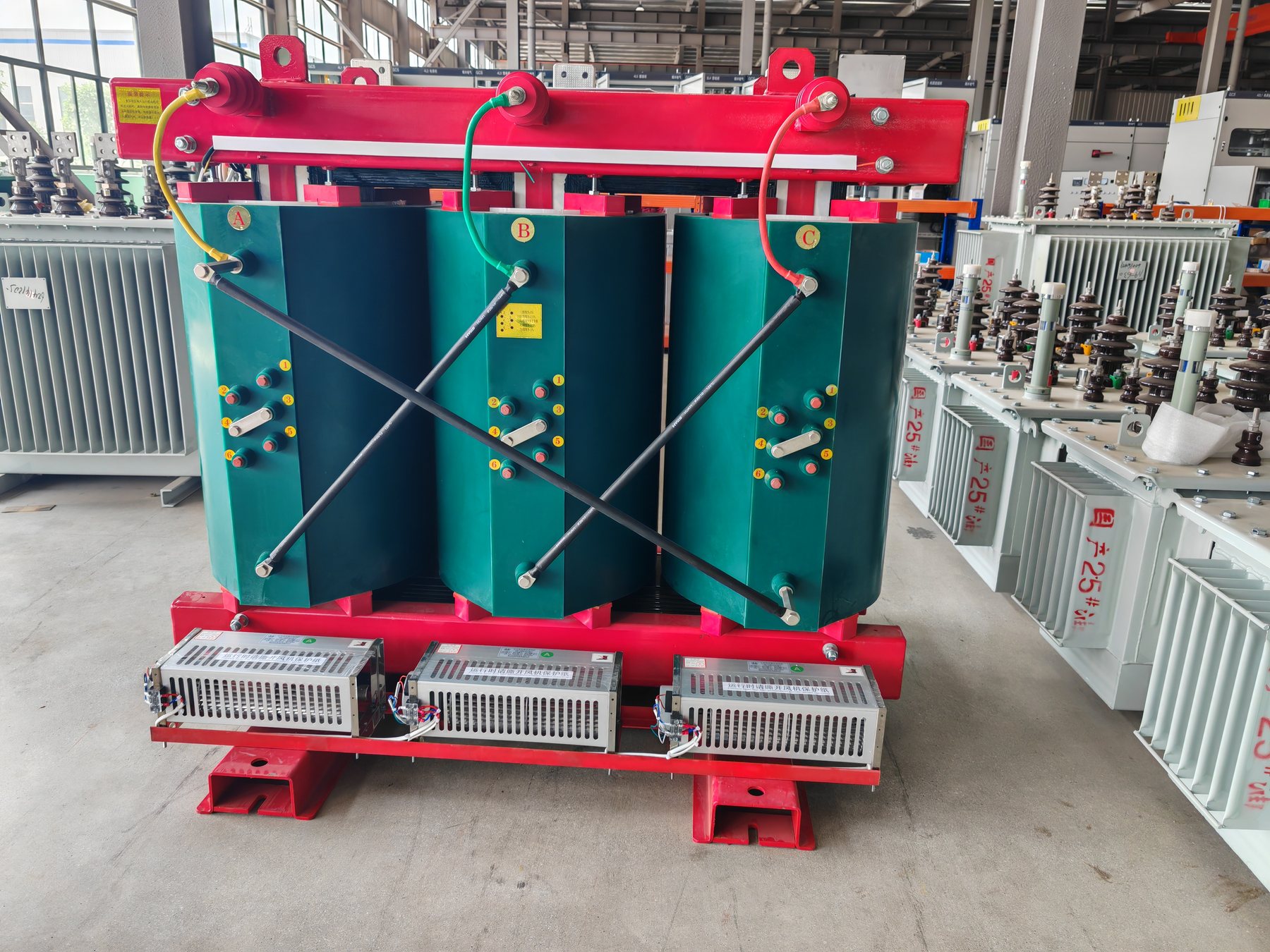
Describe the waveform as well as the load total
Drives, rectifiers, UPS equipment and other electronic loads can draw nonsinusoidal current. Harmonic currents affect losses and heating, so a transformer selected only from the total running kVA may not represent the actual thermal duty. The useful question is what current waveform the proposed transformer will carry over time.
Avoid assigning the same harmonic profile to every electronic device. Input arrangements and operating points differ. Ask the equipment supplier for the applicable data and record whether it describes full load, light load, a measured installation or a calculated example.
Assemble a load-spectrum schedule
| Load group | Data to request | Operating condition to identify |
|---|---|---|
| Variable-speed drives | Input current spectrum and mitigation included | Expected loading and number of simultaneous drives |
| UPS systems | Input current data for relevant modes | Normal supply, battery recharge and bypass where applicable |
| Single-phase electronic loads | Phase allocation and harmonic data | Diversity, imbalance and future growth |
| Existing mixed plant | Time-stamped current and voltage measurements | Typical production cycle and worst observed loading |
| Capacitor/filter equipment | Rating, tuning and connection diagram | Which stages or filters are connected in each state |
THD summarizes distortion but does not identify which harmonic orders produce it. Two loads with similar THD can have different spectra, neutral-current implications and thermal effects. Ask for the measurement location and the current reference used so percentages can be interpreted consistently.
The Electrical Installation Guide on harmonic overload explains why transformers and other equipment may need revised loading under harmonic duty. The supplier should state the basis for any derating or special design proposed for this project.
Separate the neutral question from the phase-current question
A three-phase four-wire system supplying single-phase nonlinear loads also needs a neutral-current review. Triplen components can accumulate in the neutral rather than cancelling like a balanced fundamental component. This is a reason to obtain phase and neutral information, not a reason to apply one fixed neutral size to all projects. The neutral-conductor guidance describes the underlying distinction.
Ask the system designer to coordinate the winding neutral terminal, neutral link, downstream conductor and protection arrangement. Do not assume that specifying an enlarged external neutral conductor changes the transformer’s internal neutral capability.
Example: future UPS capacity changes the original duty
A building may order a transformer for today's mixed office load, then later add a UPS and substantial battery-recharge demand. The future kVA may remain below the nameplate, but the duty waveform and continuous loading can change. Include the future equipment scenario in the enquiry rather than relying on spare kVA as proof of suitability.
Request a supplier response for each planned operating state: permitted continuous loading, applicable ambient and enclosure conditions, losses or temperature-rise assumptions, and any required mitigation. Keep a separate list of network harmonic limits and measurements owned by the electrical designer; transformer thermal suitability does not establish compliance of the whole installation.
Purchasing documents that close the gap
Send the load-spectrum schedule, single-line diagram, phase allocation, capacitor/filter details and future expansion scenario with your dry-type transformer inquiry. Ask whether the offered design is evaluated for that stated waveform, rather than accepting an unexplained harmonic-resistant label.
Where a supplier uses a K-factor or another rating convention, have the designer check its applicability to the offered transformer standard and service conditions. Record the actual design commitment and evidence in the quotation. No harmonic loading capability is implied merely by selecting a Jinxing dry-type model from the website.