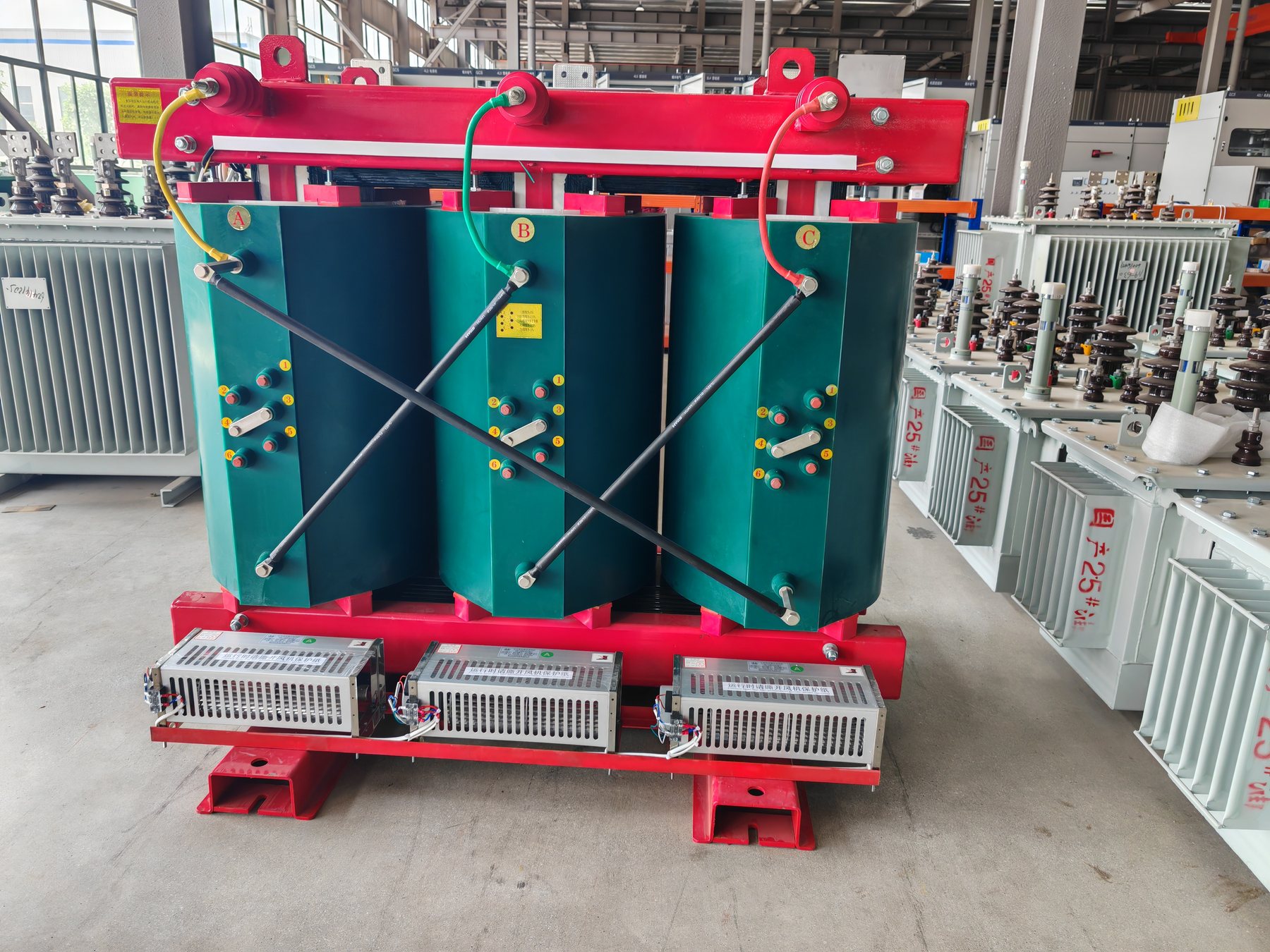
Read the report as a traceable test record
Partial discharge evidence is often reduced to a low number printed on a quotation. That number has limited value without knowing which transformer was tested and how the measurement was obtained. Begin with the equipment identity: serial number, winding ratings, design or drawing reference, report number and test date.
A report for a different rating or design may demonstrate experience with a product family. It is not automatically the production-test record for the unit being delivered. Agree which evidence is required before manufacture, at factory acceptance and with the final shipment.
Distinguish the product standard from the measurement method
IEC 60076-11 addresses dry-type power transformers within its published scope. IEC 60270:2025 addresses charge-based partial discharge measurement, including measuring circuits, calibration and interference considerations. The applicable product requirement and the measurement method must be identified together.
Record the contractually applicable editions and test procedure. Do not silently substitute a newly published measurement edition for the procedure already agreed in an order. If a change is proposed, the responsible engineer should review its effect on the method, report and acceptance requirement.
A practical report-review table
| Report element | What the reviewer should find | Clarification if absent |
|---|---|---|
| Equipment identity | Serial number and rating linked to the purchase order | Is this the offered unit, a production unit or a reference sample? |
| Applied test conditions | Voltage sequence, frequency, duration and relevant connections | Which approved procedure was followed? |
| Measuring system | Circuit/channel identification and stated measurement basis | How does each result correspond to the tested winding? |
| Calibration | Calibration record appropriate to the measuring arrangement | Was the complete arrangement checked as required? |
| Background interference | Recorded noise/background and treatment of interference | Could background activity obscure the claimed result? |
| Acceptance | Result, specified limit and an authorized conclusion | Which order clause establishes the pass criterion? |
This table is a purchasing review aid. The actual test procedure and acceptance decision belong to the qualified test and engineering teams.
Why results from different methods need care
Conventional charge-based results expressed as apparent charge should not be compared directly with readings from another sensing method merely because both concern partial discharge. An online acoustic or electromagnetic indication can serve a different diagnostic purpose and use different units. Ask the report author to explain the measurement and its intended interpretation.
Similarly, a low factory result does not guarantee every future installation condition. Transportation damage, contamination, enclosure conditions and site connections require their own inspection and commissioning procedures. Keep the factory report as a baseline with its complete context, rather than using it as a permanent assurance independent of service conditions.
Example: a pass certificate with no measuring conditions
Suppose a supplier submits a one-page certificate showing the transformer serial number and the word pass, but no procedure reference or measuring conditions. The buyer need not invent a new test threshold. Request the underlying record and map it to the contractual requirement. If only a family sample is available at tender stage, label it as sample evidence and set the production-report delivery milestone in the order.
For a Jinxing dry-type transformer quotation, provide the required product standard, PD test/report requirements, witness arrangements and document language. Ask which sample evidence is currently available and which unit-specific record will accompany the proposed supply. Final acceptance should reference the actual offered configuration and agreed test plan.