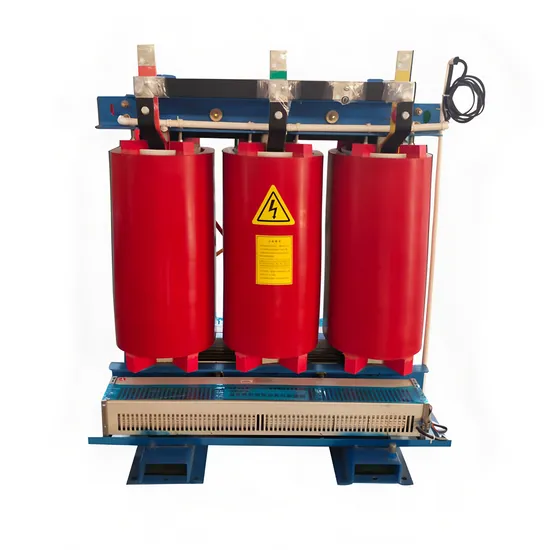
Quick answer
Decide before ordering whether a dry-type transformer will arrive fully assembled, in factory-defined sections, or with selected parts supplied loose. The decision must cover the shipping envelope, weight, lifting points, packing, storage, reconnection, torque or inspection records, site tests and who accepts the reassembled unit. A split shipment can solve a route or lifting constraint, but it creates a controlled site-work package. “Transport in parts” is not a complete delivery scope until the parts and reassembly evidence are listed.
Start with the route and the shipping envelope
Measure the route from the unloading point to the final room. Record door and corridor clearances, turning radius, floor loading, lift capacity, stairs, weather exposure, temporary storage and the equipment available for the move. Compare the maximum packed dimensions and weight with the route, rather than comparing only the transformer’s operating dimensions.
| Delivery choice | What arrives at site | Decisions that remain | Evidence to request |
|---|---|---|---|
| Fully assembled unit | Transformer, enclosure and factory-fitted accessories as one shipping package | Unloading, movement, final placement and external connections | Packed dimensions, weight, lifting points and handling instructions |
| Factory-defined split | Sections or modules identified by the supplier for transport | Site joining, reconnection, inspection, testing and responsibility | Split drawing, part list, joint method and reassembly procedure |
| Loose accessories only | Main transformer assembly with named accessories packed separately | Fitting, wiring, checks and storage of each loose item | Loose-item schedule, installation instructions and acceptance records |
The best option depends on the route and the offered design. Do not infer that a removable enclosure or loose accessory can be handled independently without the supplier’s approved method.
Record what changes when the unit is split
Ask the supplier to mark every factory interface. Depending on the offered configuration, this may include enclosure panels, bus or terminal connections, temperature sensors, fan assemblies, barriers, earth bonds, covers and control wiring. The list must use the supplier’s actual drawings and component identities; it should not assume that every dry-type transformer has the same split points.
For each interface, record the method, tools, torque or fastening information, sealing or clearance check, inspection point and person responsible. Identify which parts are factory-tested as a complete assembly and which functions must be checked again after site work. If a sensor or fan cable is disconnected for shipping, preserve its tag and terminal reference through the reassembly record.
Schneider Electric’s receiving and handling guidance advises keeping a dry-type transformer on its shipping pallet when possible, checking the handling equipment capacity and keeping protective packing in place until final placement. It is a product-specific handling example, not a Jinxing instruction or a universal lifting method. See the Schneider receiving and handling guidance.
Separate factory acceptance from site reassembly checks
The factory test record should identify the configuration tested and the parts shipped separately. A site procedure can then verify the reassembled interfaces, insulation and connection condition, sensor continuity, fan or auxiliary wiring, enclosure fit, earthing and any project-required functional checks. The applicable test list and acceptance values come from the approved specification and equipment manual; this article does not prescribe a universal test sequence.
Ask for a hold point before energization. The responsible engineer should review the reassembly record, unresolved deviations, damage inspection, torque or fastening records, external connections and protective covers. A transport split does not remove the need to confirm the final installed arrangement against the approved drawing.
Define packing, storage and loose-part custody
List each package, its identifier, weight, centre-of-gravity information when supplied, lifting points, protection, environmental limits and storage owner. State who inspects for transport damage and how a missing or damaged loose item is recorded. If the unit waits before installation, use the supplier’s storage instructions and identify any heating, cleanliness or moisture controls that apply to that product.
Do not place packing removal, temporary supports or replacement fasteners into a vague “installation by others” line. The quotation should identify the boundary, the required tools and the records needed for handover. This makes a fully assembled offer comparable with a split offer.
Example: a restricted factory power room
Imagine a factory transformer room with a narrow doorway and a lifting limit below the packed weight of the complete enclosure. The buyer can ask the supplier to evaluate a factory-defined split, but should compare the new site work with a route modification or a smaller shipping package. The offer should show each section, the joining method, the temporary support, site labour, inspection, tests, outage assumption and any excluded crane or rigging work. The decision is commercial only after both offers terminate at the same accepted operating condition.
Use the Jinxing dry-type transformer range to identify the product family, then review the existing dry-type transformer installation checklist and transformer transport and storage checklist for related inputs. This article concentrates on a dry-type delivery split and site reassembly boundary. Send the route drawing, packed access limits and required tests through the transformer quotation page or project enquiry page.
RFQ checklist
- Route survey, door, corridor, lift, floor-loading and weather constraints.
- Maximum packed dimensions, weights, centre of gravity and lifting points.
- Choice being compared: assembled delivery, factory-defined split or loose accessories.
- Split drawing, package list, identifiers and factory-tested configuration.
- Reassembly method, tools, torque or fastening records and responsible parties.
- Sensor, fan, bus, terminal, barrier, enclosure and earthing interfaces.
- Damage inspection, storage, packing removal and loose-part custody.
- Factory, site and pre-energization checks with accepted handover documents.
FAQ
Is a split dry-type transformer always cheaper to transport?
Not necessarily. It may fit a restricted route, but site joining, lifting, labour, inspection and testing add scope. Compare the complete delivered and accepted condition rather than freight alone.
Can the site contractor decide where to separate the transformer?
Only when the supplier’s design and instructions explicitly allow it. The split points, parts and reassembly method must be factory-defined and included in the approved drawing.
Does the factory test replace site reassembly checks?
No. The factory record covers the tested configuration. Reassembly, external connections and site interfaces still require the checks defined by the approved project procedure.