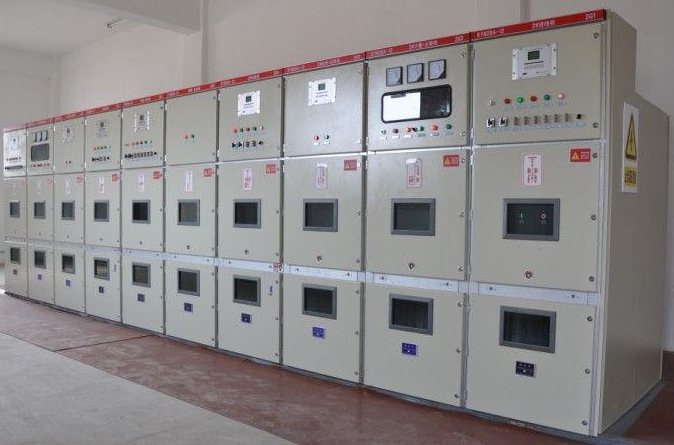
Identify which part of the RMU the label describes
Gas-insulated and air-insulated describe insulation arrangements, while vacuum commonly describes an interruption medium. A proposal can therefore use vacuum switching within a different surrounding insulation arrangement. Ask for a compartment diagram that labels the bus system, switching device, cable connections and their insulation.
Solid-insulated designs form another construction option and should be identified explicitly. Do not treat compact, sealed or maintenance-free as technical substitutes for an actual description of the assembly.
IEC 62271-200 covers applicable metal-enclosed assemblies that can include air-insulated or fluid-filled compartments. It provides standards context, not proof that every construction is suitable for the same project. IEC assembly scope.
Compare the offered arrangements on common terms
| Comparison area | Question for each bidder | Why the answer matters |
|---|---|---|
| Compartment construction | Where is each insulation medium used? | Prevents comparing unlike technical labels |
| Site environment | Which contamination and ambient conditions are accepted? | Establishes applicable service limitations |
| Cable interface | What terminations and access are required? | Connects the RMU to the actual cable system |
| Maintenance | Which tasks and specialist resources are expected? | Establishes realistic lifecycle support |
| Medium management | What handling, monitoring or end-of-life obligations apply? | Identifies responsibilities beyond initial purchase |
| Evidence | Which tests cover the proposed configuration? | Keeps family claims separate from actual applicability |
Neither an insulation name nor an enclosure size establishes short-circuit performance, internal arc classification or operational continuity. Keep those requirements in the comparison as separate evidence items.
Example: footprint drives an incomplete choice
Imagine a buyer selecting the smallest quoted RMU because the equipment room is constrained. The evaluation compares cabinet width but overlooks cable connector space, extension provisions and the resources required for the proposed maintenance method.
The corrected comparison uses the complete installed envelope and lifecycle requirements. A slightly different arrangement may meet the site constraints more convincingly, or the compact option may remain appropriate once all interfaces are confirmed. The choice should follow the documented project, not a universal claim that one insulation medium is always superior.
Verify environmental claims specifically
For any gas-containing proposal, obtain the identity of the medium and the relevant supplier instructions. Ask the project team to check local requirements for handling, reporting and end-of-life management where applicable. Do not infer zero environmental obligations from a sealed description.
For air-insulated or solid-insulated alternatives, request the corresponding service limitations and maintenance provisions. These options also need project review; their names alone do not establish suitability for dust, humidity or a classified hazardous location.
Keep the product boundary clear
The Jinxing RMU range lists configurations for technical discussion. This comparison does not establish that every GIS, solid-insulated or gas-free alternative is currently verified for Jinxing supply. A listed panel also does not prove availability of its internal switching device as a standalone product.
Send the required functions, environmental conditions, installed-space constraints and lifecycle requirements through the project enquiry page. Ask which construction is actually offered and request a documented response for its ratings, insulation medium and supporting evidence.