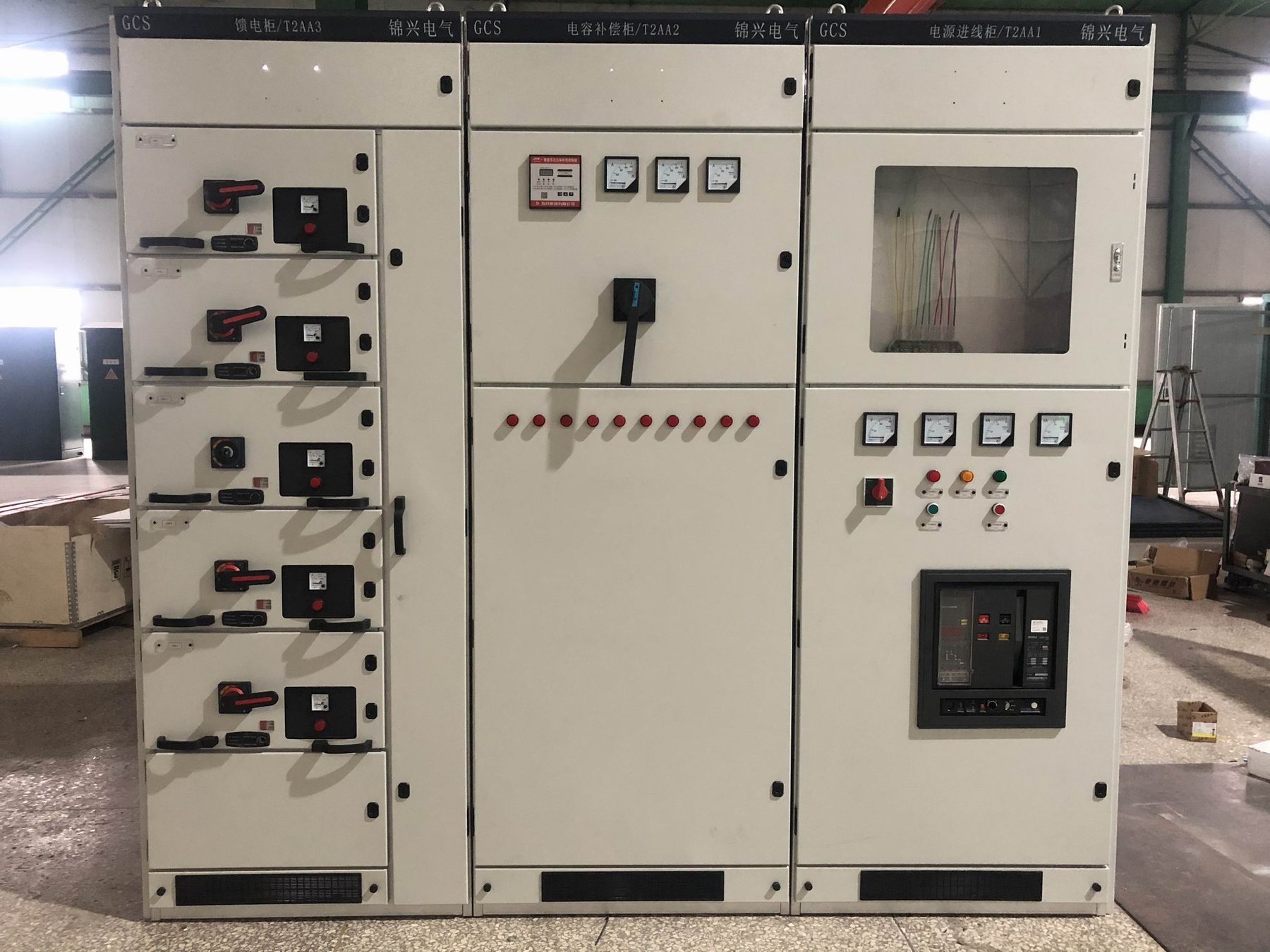
Before ordering an LV switchboard with generator transfer, agree which supplier owns the switching devices, transfer logic, generator commands and protection settings. Most interface problems arise when each package is individually specified but the combined operating sequence is left undefined. A signed interface schedule should accompany the single-line diagram.
Decide what the transfer must achieve
A standby generator serving selected essential loads has a different duty from a system intended to transfer an entire facility. Identify the loads that must remain supplied, the interruption they can tolerate and the loads that should be disconnected before transfer. Include large motors and loads that may restart together.
State whether the intended arrangement permits any overlap between sources. Closed-transition or parallel operation requires appropriate engineering and utility approval; it must not be assumed from an “automatic transfer” description. IEC 60947-6-1:2026 is the current IEC publication for transfer switching equipment, but citing it alone does not define a site's complete source-management scheme. Its published scope excludes certain arrangements, including bus-tie and multi-source transfer equipment. Have the designer identify the applicable equipment and assembly requirements for the proposed system.
Draw the package boundary
The switchboard supplier may provide an integrated transfer arrangement, while the generator supplier provides a controller and starting system. A controls contractor may add supervisory monitoring. Allocate every signal and power supply between these parties before fabrication.
| Interface | Detail to agree | Typical owner to identify |
|---|---|---|
| Generator start request | Contact or communications command and status feedback | Transfer-controller and generator suppliers |
| Source availability | Voltage/frequency assessment and failure indication | System designer and controller supplier |
| Breaker or switch operation | Mechanism supply, status contacts and command permissions | Switchboard supplier |
| Neutral arrangement | Switching decision and earthing relationship | Electrical installation designer |
| Load shedding | Which feeders disconnect and when they may return | Plant controls designer |
| Alarm reporting | Signal list, destination and acknowledgement | Controls integrator |
Example: essential loads are smaller than the normal load
Consider an illustrative factory with a generator intended to support lighting, controls and one process line, while the normal LV board serves several production areas. A quotation for an incomer transfer arrangement may be electrically plausible but incomplete if all outgoing feeders automatically reconnect to the generator.
The project must define an essential-load section or a deliberate load-shedding sequence. The switchboard order should include the required feeder interfaces and feedback points. The generator package should be reviewed against the resulting load steps. Neither supplier should be asked to discover the intended operating limit during commissioning.
Resolve neutral and protection questions early
Changing between sources can change the fault-current conditions and the relationship between neutral and earth. Ask the responsible designer to specify the neutral arrangement and evaluate protection coordination under both utility and generator supply. Do not select a three-pole or four-pole arrangement from a cabinet model name.
The review should identify which settings, sensing connections and control supplies apply in each source condition. Document how the installation responds when an auxiliary supply is unavailable. A transfer sequence that works during a normal demonstration may behave differently after a prolonged outage or a failed battery charger.
Specify acceptance scenarios, not just component brands
Ask for a functional test schedule covering source loss, unsuccessful generator availability, restoration of the preferred source, failed switch position feedback and local/remote selection. These are acceptance scenarios for the supplier's documented procedure, not instructions for field switching.
Agree who witnesses the integrated test and who records the controller settings. Where factory testing cannot include the actual generator, list the simulated interfaces and the remaining site tests. This prevents a successful panel-only test being presented as complete system validation.
Issue one coordinated RFQ package
Send the LV switchboard supplier the source diagram, essential-load schedule, proposed generator information and interface matrix. Require a clear list of inclusions, exclusions and assumptions. The preferred offer is the one whose scope closes the transfer interfaces and can be verified, rather than the one that simply lists two incoming switches and an automatic controller.