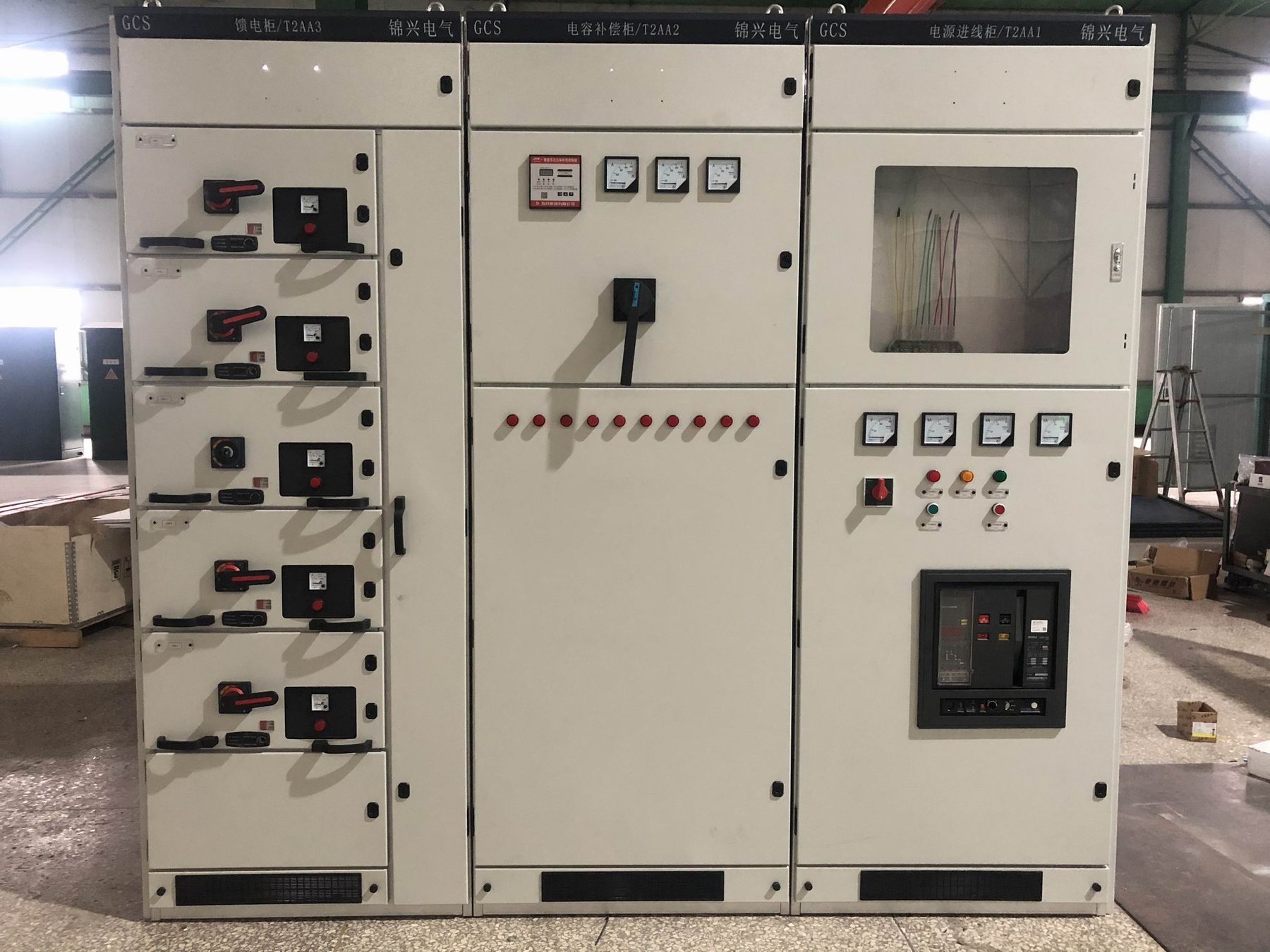
Design verification and routine verification answer different procurement questions. The first supports the suitability of an assembly design; the second concerns checks on the manufactured assembly. A buyer should request both types of evidence, linked to the construction actually ordered, instead of accepting one generic test certificate as proof of every requirement.
Understand what the document is proving
IEC 61439-1 provides general assembly and verification requirements, used with the applicable product part. For power assemblies, the relevant companion is usually Part 2. The contractual standard and edition should be stated in the specification and reflected in the supplier's evidence schedule.
Begin by asking the supplier to identify its role in the design and manufacture of the offered board. If it uses a verified assembly system, ask which system rules and component arrangements it follows. If the project introduces changes, ask who evaluates whether the existing evidence continues to apply.
| Document or record | Question it answers | What to cross-check |
|---|---|---|
| Design verification summary | Which construction and characteristics are supported? | Assembly family, arrangement and relevant ratings |
| Supporting test or assessment record | What evidence supports a particular characteristic? | Report scope, configuration and stated limitations |
| Project drawing revision | What is being manufactured? | Busbars, enclosure, devices and circuit arrangement |
| Routine verification record | What was checked on the supplied assembly? | Serial identification, date and completed results |
| Deviation/change record | What differs from the referenced design? | Responsible review and accepted consequences |
Avoid the certificate shortcut
A device certificate for a circuit breaker does not establish the performance of the complete board in which it is installed. Likewise, a report for one assembly arrangement does not automatically cover every enclosure size, ventilation option or busbar revision offered under a familiar cabinet name.
Ask for a concise applicability statement. It should connect the project drawings to the evidence and identify any conditions the installer must preserve. A large attachment folder is less useful than a clear index showing which document supports each important contractual requirement.
Example: changing the enclosure after quotation
Suppose a buyer asks to make an illustrative switchboard shallower after the electrical quotation has been accepted. The change appears mechanical, but it may affect conductor layout, cable connections and the thermal arrangement. The correct purchasing response is to request a documented design review before approving the revised drawing.
A routine check on the finished board cannot by itself replace that design review. Conversely, accepting the revised design does not remove the need for checks on the manufactured unit. Keeping those decisions separate prevents a late dimensional change from disappearing into an undated drawing revision.
Make routine records useful at delivery
Specify that the final verification records identify the actual assembly and drawing revision. Ask how incomplete items, repairs and repeat checks are recorded. The record should make it possible to distinguish a completed result from a blank template or an inspection planned for a future date.
If project-specific functional checks are required, list them separately and agree how they will be demonstrated. Examples include feeder indication, interlocks, metering interfaces and generator signals. State which tests belong to factory scope and which remain part of the installation or integrated-system acceptance.
Match the review effort to the purchase
For a repeat board using an unchanged configuration, reviewing the evidence may be straightforward. A custom board with unfamiliar loading, environmental conditions or device substitutions deserves more detailed scrutiny. The supplier should state the assumptions used and explain departures from the reference arrangement.
Before releasing an order through the low-voltage switchgear range, send a document schedule with the electrical specification. Agree the evidence needed before drawing approval, before shipment and at handover. This produces a usable acceptance trail without confusing a design claim, a factory check and a site commissioning record.