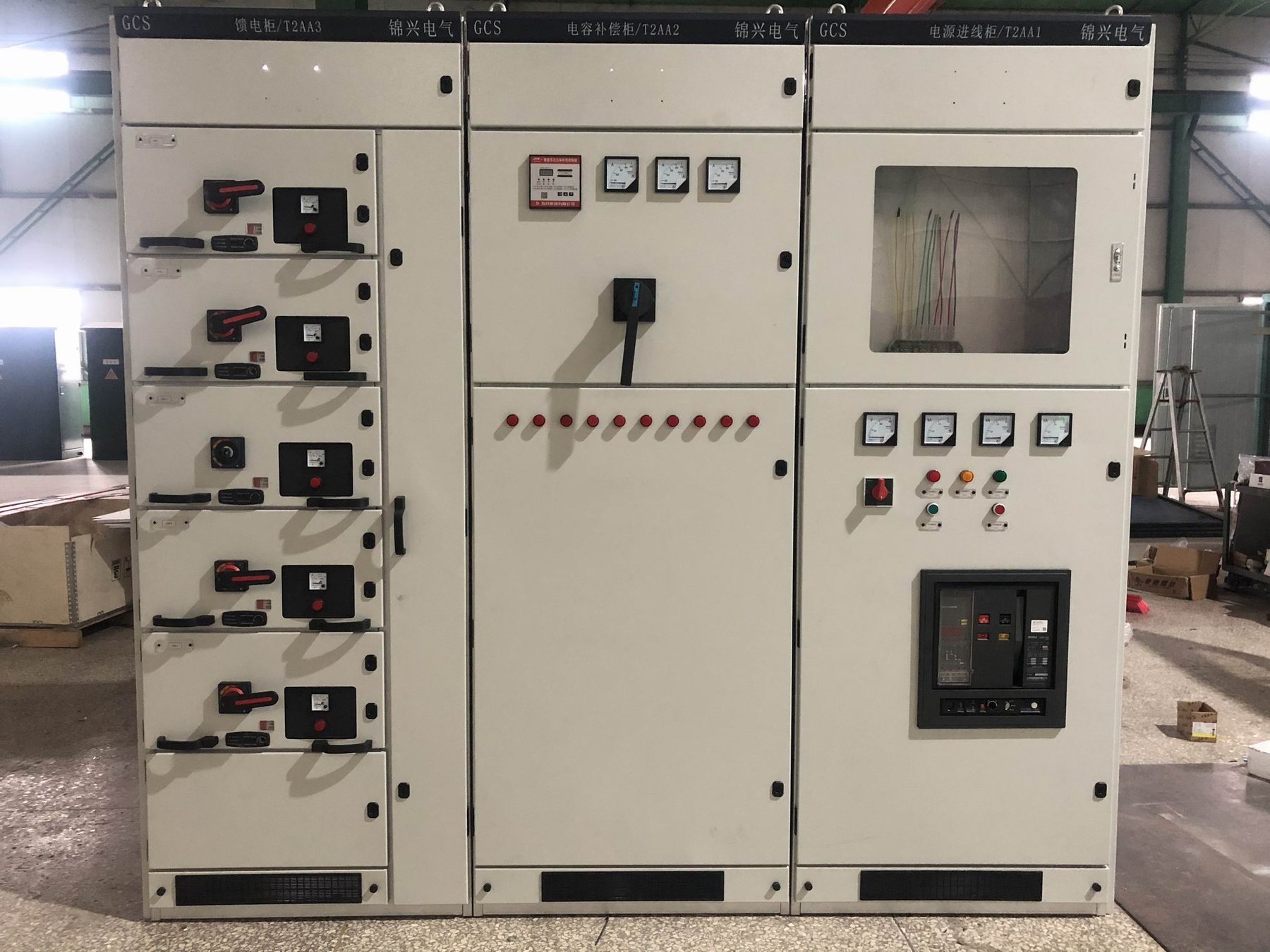
Choose an LV switchgear separation arrangement by describing which equipment must remain available while a specific feeder is inspected or replaced. A form number alone does not describe the complete maintenance arrangement, and it does not authorize work on energized equipment. The purchase decision should connect the requested separation, physical partitions, terminal access and documented operating restrictions.
Begin with the maintenance task
Ask the operating team to name a realistic intervention: replacing an outgoing protective device, inspecting a cable termination, or expanding a motor feeder. Then identify the parts of the board that may be isolated for that intervention. These answers are more useful to a supplier than a blanket instruction to provide the highest form available.
IEC 61439-2 addresses power assemblies and includes requirements concerning internal separation. The project specification should identify the applicable edition and the required arrangement, supported by drawings. Compliance remains specific to the proposed assembly; a cabinet photograph cannot establish its separation construction.
| Maintenance objective | Detail to request | Decision it supports |
|---|---|---|
| Inspect one feeder termination | Terminal compartment boundaries and access drawing | Whether adjacent circuits are exposed during access |
| Replace a feeder device | Fixed or withdrawable construction and isolation requirements | Expected outage scope and replacement method |
| Add another circuit later | Reserved compartment, busbar connection and cable route | Whether expansion requires extensive reconstruction |
| Keep unrelated feeders available | Partition arrangement and approved operating restrictions | Whether the requested continuity is achievable |
Separate three different specifications
Internal separation, removable construction and internal arc performance answer different questions. A withdrawable unit concerns how a functional unit is connected and removed. Separation concerns boundaries within the assembly. An arc-related claim requires its own defined assessment or test evidence. One label should not be accepted as proof of the others.
The same discipline applies to enclosure ingress protection. A high external protection rating does not explain what becomes accessible when an internal door or cover is opened. Ask the supplier to show the proposed assembly in the exact access condition relevant to the maintenance task, using drawings and its documented instructions.
Example: a process plant with short shutdown windows
Consider a plant that can stop one pump circuit during a planned shutdown but cannot conveniently stop all production feeders. The buyer initially requests a particular separation form. During review, the installer finds that several outgoing cable terminations still require access through a common area.
The useful response is a revised terminal and compartment drawing, followed by confirmation of which circuits must be isolated. Merely upgrading the form description on the quotation would not resolve the access question. This example is a purchasing scenario, not evidence that any specific cabinet can be serviced live.
What to compare between quotations
Request a marked general arrangement showing busbar zones, functional units, neutral and protective conductor connections, and outgoing terminals. Ask whether the quoted separation is achieved by barriers, partitions, individual enclosures or a combination. The supplier should explain how the construction affects ventilation, cabinet dimensions and cable working space.
Include replacement parts in the comparison. A highly partitioned arrangement may need specific covers, shutters or connection components when modified. Confirm availability and identify who is responsible for evaluating a later design change. The lowest initial cabinet price may leave these obligations unspecified.
Put the chosen arrangement in the order
Attach the accepted compartment drawing to the order alongside the separation requirement and maintenance assumptions. Record any deviations from the project specification explicitly, including shared terminal spaces and the scope of required isolation. Ask for verification evidence applicable to the selected construction rather than a general company certificate.
Use the low-voltage switchgear range to identify a suitable product family, then send the feeder schedule and maintenance objective. The final choice should be a documented arrangement that suits the plant's work practices, not a form number selected without reference to the installation.