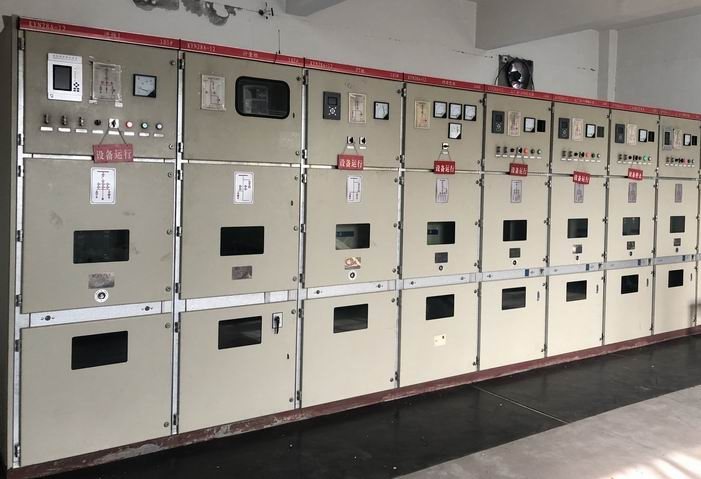
Commissioning is an evidence package
Factory testing cannot establish that shipping joints, site cables, auxiliary wiring and protection settings are correct after installation. A useful commissioning checklist therefore assigns an acceptance record and an owner to each installed interface. This article concerns planning and reviewing that evidence; the appointed commissioning team must use the equipment-specific instructions and approved site procedures for execution.
Separate factory acceptance records from site acceptance records. A factory report may identify a cabinet serial number and its routine tests. The site file must additionally identify the final lineup, cable circuits, relay configuration revision and installation changes. A generic tick against “tested” leaves those connections unproven.
Define acceptance gates before the test team arrives
| Gate | Evidence to collect | Reason to withhold release |
|---|---|---|
| Installation complete | Approved layout, joint records, earth continuity and delivery inspection | Missing joint record or unresolved transport damage |
| Secondary circuits verified | Wiring checks, CT/VT circuit identification and settings revision | Polarity, ratio or circuit labels disagree |
| Protection operates the intended breaker | Injection results and end-to-end trip records | Relay indicates a trip but breaker response is unproven |
| Normal configuration restored | Signed temporary-link and isolation register | Test supply, bypass or shorting arrangement remains unresolved |
| Owner accepts the lineup | Closed critical defects and approved operating documents | Acceptance criteria or operating responsibility remains unclear |
These gates are a proposed project workflow, not universal manufacturer test limits. Agree the instruments, acceptance values and witness requirements against the actual equipment documentation. In particular, do not copy a high-voltage test value from a different switchgear manual.
Example: a relay test that does not finish the job
Suppose a feeder relay passes secondary injection, but its trip output was isolated to protect other work in progress. The test establishes part of the protection function; it does not prove the complete trip chain. The project record should distinguish relay element verification from a later witnessed test through the approved trip circuit to the designated breaker.
The same distinction applies to indications. A correct local lamp does not establish that the control room receives the correct feeder identity. Record the expected and observed endpoints, then retain the final drawings showing any corrections. Avoid accepting an undocumented wiring change solely because the final indication looks right.
Plan restoration as a separate deliverable
Temporary conditions are easy to forget when several contractors share the lineup. Maintain a register naming the circuit, purpose, person responsible and restoration evidence. Include test supplies, isolated trip outputs, temporary communications configurations and instrument-transformer test arrangements where applicable. Restoration must follow the approved method; CT and VT circuits have different requirements.
Require a final configuration archive with relay settings, firmware identification, communication addresses and approved drawings. The owner also needs a readable defect list identifying which items prevent energization and which have an accepted completion date.
Information to include in the commissioning RFQ
- Lineup drawing, feeder schedule and precise equipment identification.
- Factory test records available and the site tests still required.
- Protection study, final settings responsibility and witness attendance.
- Site auxiliary supplies, test access and planned outage boundaries.
- Required report format, instrument calibration evidence and document language.
Start from the medium-voltage switchgear family and provide the actual cabinet configuration through the project enquiry page. Ask for the document and commissioning-support scope to be confirmed with the quotation; this guide does not establish that site execution is included.