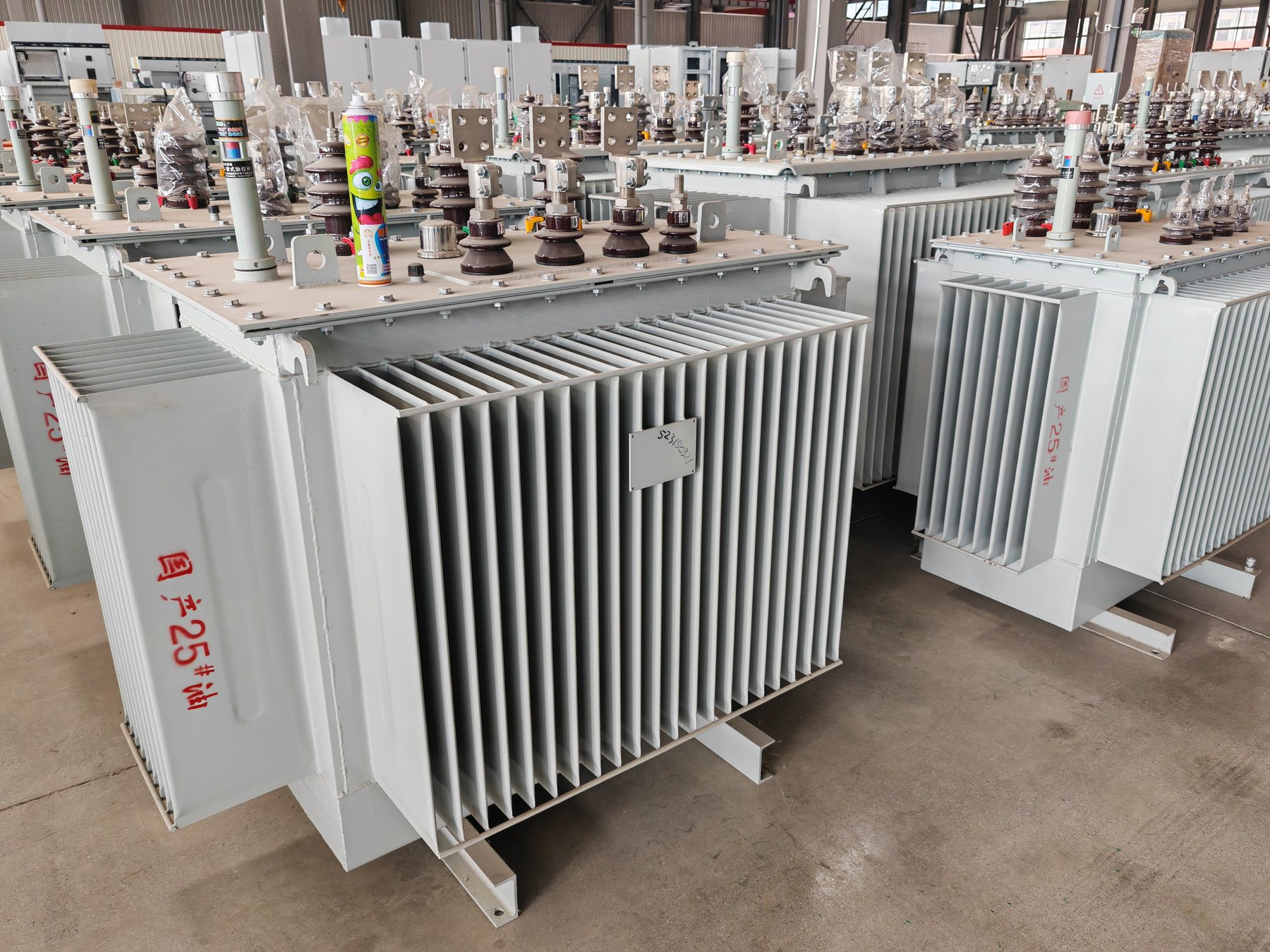
Outdoor service needs a site description
“Outdoor” is not a complete environmental specification. A sheltered inland yard, a salt-laden coastal location and a dusty processing plant expose a transformer to different conditions. The quotation should translate those conditions into an agreed design basis, rather than treating a weatherproof label as proof of suitability.
Record temperature extremes and duration, altitude, direct sunlight, airborne contamination and nearby chemical processes. Also describe how the site changes through the year. A photograph taken in dry weather may conceal flood exposure, seasonal dust or access restrictions that matter during installation and maintenance.
Convert exposure into a review item
| Site observation | Question for the proposed transformer | Evidence to request |
|---|---|---|
| Restricted space beside a wall | Can the cooling surfaces reject heat in the proposed layout? | Arrangement drawing and installation requirements |
| Coastal or chemically aggressive atmosphere | What surface treatment and accessory materials are proposed? | Coating specification and stated environmental limitations |
| Wind-driven rain near cable terminations | How are terminals, cable boxes and entries protected? | Terminal arrangement and enclosure details |
| High altitude or unusual temperature profile | Does the rating require a different design basis? | Written assessment using the supplied site data |
| Long period before energization | What inspection and preservation tasks apply? | Unit-specific storage instructions |
The engineering answer may involve a revised arrangement, a different accessory package or a limitation on the offer. None can be established from the generic product name alone.
Keep cooling and access decisions together
Radiators or corrugated surfaces need an installation that allows the intended heat transfer. A protective screen installed later can change the surrounding airflow. Ask the designer to review walls, fences and adjacent equipment on the same drawing as the transformer.
Maintenance access is a separate issue. Operators may need to inspect indicators, reach sampling points or service accessories without dismantling permanent structures. Specify which side remains accessible and where cables will enter. Use the selected unit's actual requirements; this buying guide does not prescribe universal clearance distances.
Example: two apparently equivalent outdoor offers
Assume two quotations describe the same voltage ratio and kVA. One identifies a proposed terminal box and coating system, while the other lists bare bushings and a standard finish without environmental qualifications. They are not yet comparable for a coastal installation.
Ask both suppliers to respond to one exposure schedule and provide drawings of the termination arrangement. Record exclusions explicitly, including site-applied protection or locally supplied cable accessories. This comparison tests the proposed scope; it does not imply that either construction is automatically acceptable.
Delivery condition affects later acceptance
An outdoor unit may arrive months before the building or cable system is ready. Agree the delivery configuration, accessory packaging, inspection responsibilities and preservation instructions. Photographs of receipt condition, identified damage and subsequent remedial work help resolve whether an issue arose during transport, storage or installation.
Include the insulating-liquid type requested by the project, but have compatibility and availability reviewed for the particular design. Environmental containment is a separate civil interface. Use the oil-immersed transformer installation checklist to include containment, foundation and access responsibilities in the site preparation review.
Send a location-based enquiry
Provide the environmental schedule, location photographs, layout, voltage ratio, load requirement, cable details, delivery timing and expected storage period. Include any owner specification for finish, monitoring or liquid selection. Review oil-immersed transformers and the distribution transformer page, then request confirmation of the proposed configuration through transformer quotation. Published product pages do not confirm every outdoor exposure condition.