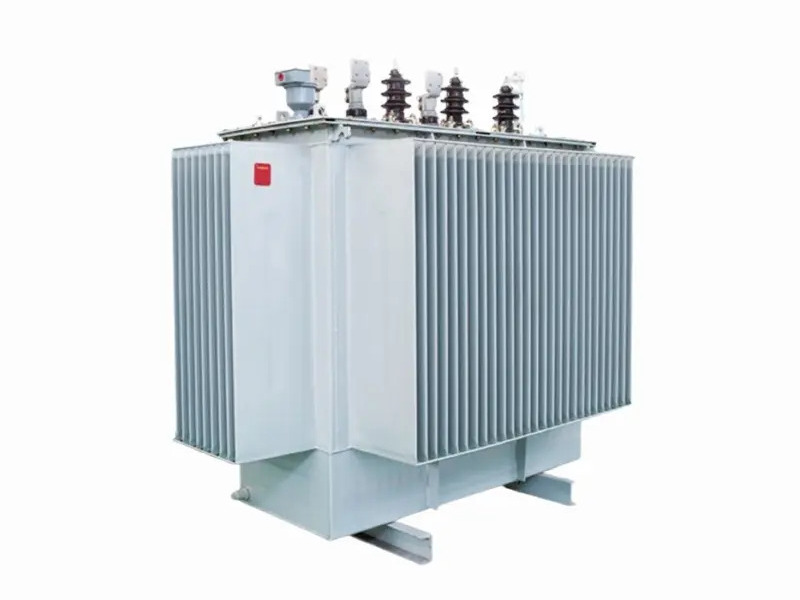
Direct Recommendation
Select a power distribution transformer from the upstream and downstream voltages, maximum demand, load profile, starting duty, impedance, tapping, losses, cooling, environment, protection, and future growth rather than capacity alone.
For utility feeders, industrial plants, commercial developments, rural grids, and infrastructure projects, the useful deliverable is not another broad definition. It is a marked specification, a deviation list, and enough project information for a supplier to identify the correct equipment family. Start from Oil-Immersed Transformers and Dry-Type Transformers; those pages define the current public Jinxing product scope.
Decision Summary
- Buyer intent: Selection guide.
- Project context: utility feeders, industrial plants, commercial developments, rural grids, and infrastructure projects.
- First evidence to prepare: the approved single-line diagram plus the equipment data sheet, load schedule, or feeder schedule that applies to this request.
- Expected supplier response: a model-family match, marked technical exceptions, applicable evidence, missing inputs, and a defined quotation boundary.
Product Scope Relevant to power distribution transformer
The rows below are limited to products already published on the Jinxing website. Use them to identify the relevant family and voltage class, then verify the actual rating, arrangement, components, tests, and documents against the project specification.
| Jinxing product | Public voltage scope | Typical website application | Use this page to |
|---|---|---|---|
| 10kV Oil-Immersed Transformer | 10kV / 11kV class | Commercial, residential, rural grid, industrial | Check the model family and send project-specific requirements |
| 20kV Oil-Immersed Transformer | 20kV class | Utility distribution and industrial systems | Check the model family and send project-specific requirements |
| 10kV Dry-Type Transformer | 10kV class | Indoor distribution rooms, factories, commercial buildings | Check the model family and send project-specific requirements |
| 20kV Dry-Type Transformer | 20kV class | Industrial distribution, substations, infrastructure | Check the model family and send project-specific requirements |
Selection logic
Select the architecture first, then verify rating, duty, environment, interfaces, evidence, and lifecycle responsibilities. For power distribution transformer, the review should produce the following evidence or decision at each stage.
| Review area | Question to close | Evidence or output |
|---|---|---|
| Architecture | Which equipment family and arrangement fits the network position and operating philosophy? | Single-line diagram and functional description |
| Rating and duty | Can the proposed model carry normal, starting, fault, and future duties? | Load, fault, and protection studies |
| Environment and interfaces | Will it fit the site, cable system, ventilation, access, and maintenance plan? | Site data and layout constraints |
| Verification | Are evidence, tests, drawings, and quotation scope aligned with the final configuration? | Compliance and document schedules |
Stop and clarify the offer when any of these red flags appear:
- Selecting from capacity or voltage alone.
- Ignoring room, cable, environmental, or maintenance constraints.
- Treating a sample document as proof for the final configuration.
Six Technical Decisions to Record
These six decisions are selected for the selection guide behind power distribution transformer.
| Decision | Why it changes the offer | Required project input |
|---|---|---|
| Voltage class and ratio | Match the upstream supply, downstream system, insulation coordination, and local utility requirements. | Record the project value or mark it as an open voltage class and ratio clarification |
| Capacity and load profile | Use connected load, demand, motor starting, harmonics, redundancy, and future expansion rather than nameplate totals alone. | Record the project value or mark it as an open capacity and load profile clarification |
| Voltage adjustment | Confirm nominal ratio, operating voltage variation, tapping range, step size, and whether adjustment is de-energized or on-load. | Record the project value or mark it as an open voltage adjustment clarification |
| Loss and lifecycle review | Compare declared loss data only when rating, material scope, test basis, loading profile, and evaluation period are equivalent. | Record the project value or mark it as an open loss and lifecycle review clarification |
| Cooling and temperature rise | Check heat rejection, ventilation, ambient temperature, loading pattern, and the supplier's declared cooling method. | Record the project value or mark it as an open cooling and temperature rise clarification |
| Protection and coordination | Confirm breaker or fuse duty, relay functions, CT/VT inputs, selectivity, earthing, and upstream/downstream coordination. | Record the project value or mark it as an open protection and coordination clarification |
Engineering Review Notes
1. Voltage class and ratio
Match the upstream supply, downstream system, insulation coordination, and local utility requirements. In the context of utility feeders, industrial plants, commercial developments, rural grids, and infrastructure projects, write this decision into the power distribution transformer data sheet and ask the supplier to mark any deviation. The review output should be a value, drawing reference, calculation input, or explicit technical clarification rather than an unrecorded assumption.
2. Capacity and load profile
Use connected load, demand, motor starting, harmonics, redundancy, and future expansion rather than nameplate totals alone. In the context of utility feeders, industrial plants, commercial developments, rural grids, and infrastructure projects, write this decision into the power distribution transformer data sheet and ask the supplier to mark any deviation. The review output should be a value, drawing reference, calculation input, or explicit technical clarification rather than an unrecorded assumption.
3. Voltage adjustment
Confirm nominal ratio, operating voltage variation, tapping range, step size, and whether adjustment is de-energized or on-load. In the context of utility feeders, industrial plants, commercial developments, rural grids, and infrastructure projects, write this decision into the power distribution transformer data sheet and ask the supplier to mark any deviation. The review output should be a value, drawing reference, calculation input, or explicit technical clarification rather than an unrecorded assumption.
4. Loss and lifecycle review
Compare declared loss data only when rating, material scope, test basis, loading profile, and evaluation period are equivalent. In the context of utility feeders, industrial plants, commercial developments, rural grids, and infrastructure projects, write this decision into the power distribution transformer data sheet and ask the supplier to mark any deviation. The review output should be a value, drawing reference, calculation input, or explicit technical clarification rather than an unrecorded assumption.
5. Cooling and temperature rise
Check heat rejection, ventilation, ambient temperature, loading pattern, and the supplier's declared cooling method. In the context of utility feeders, industrial plants, commercial developments, rural grids, and infrastructure projects, write this decision into the power distribution transformer data sheet and ask the supplier to mark any deviation. The review output should be a value, drawing reference, calculation input, or explicit technical clarification rather than an unrecorded assumption.
6. Protection and coordination
Confirm breaker or fuse duty, relay functions, CT/VT inputs, selectivity, earthing, and upstream/downstream coordination. In the context of utility feeders, industrial plants, commercial developments, rural grids, and infrastructure projects, write this decision into the power distribution transformer data sheet and ask the supplier to mark any deviation. The review output should be a value, drawing reference, calculation input, or explicit technical clarification rather than an unrecorded assumption.
Applicable Evidence and Its Limits
The Jinxing website references GB 1094, GB/T 6451, GB/T 10228, IEC 60076 for the relevant product families. These are standards families or project references to discuss. They are not a statement that every rating, arrangement, component, or optional test is automatically covered by the same document.
Public evidence available for early review includes:
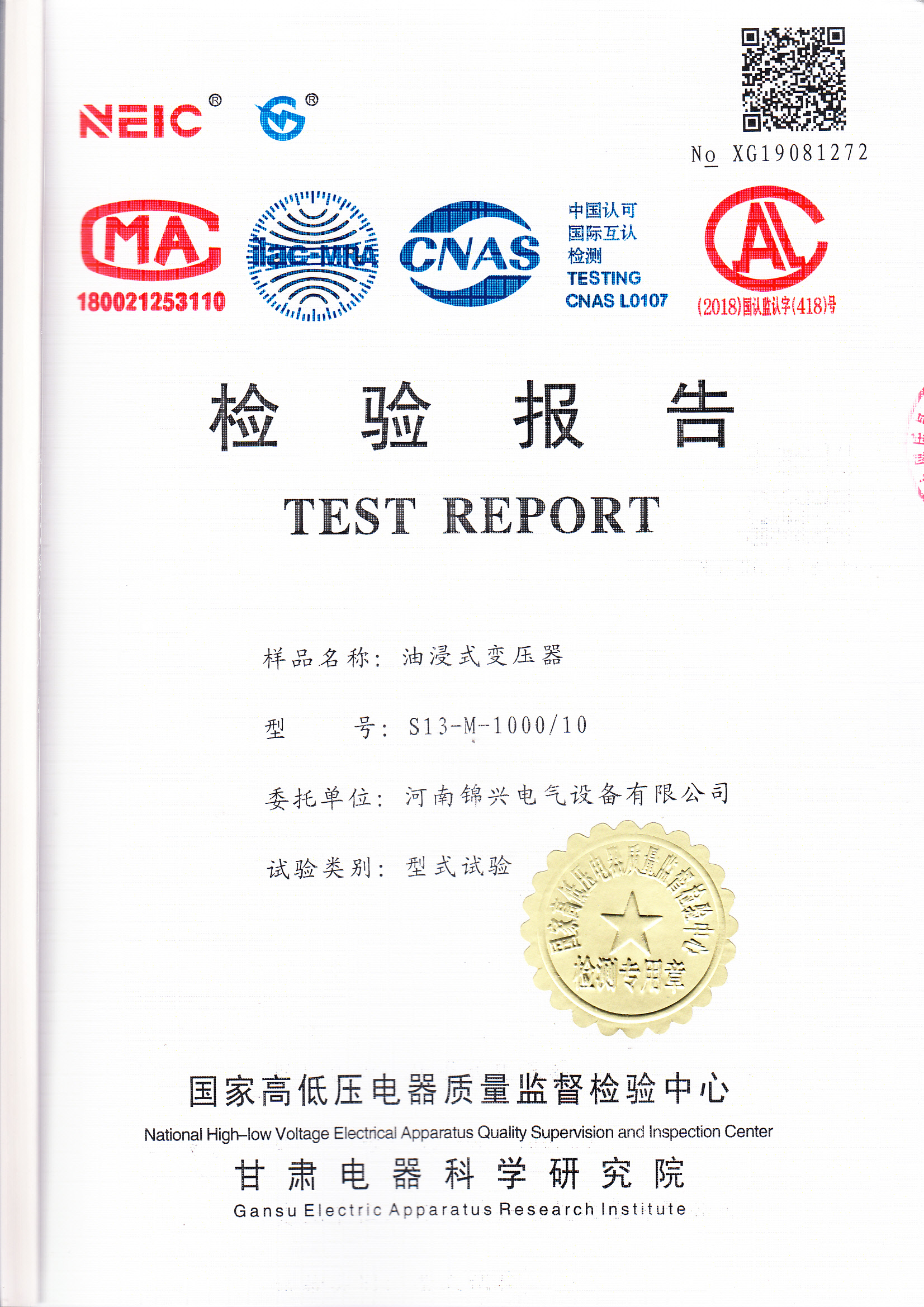
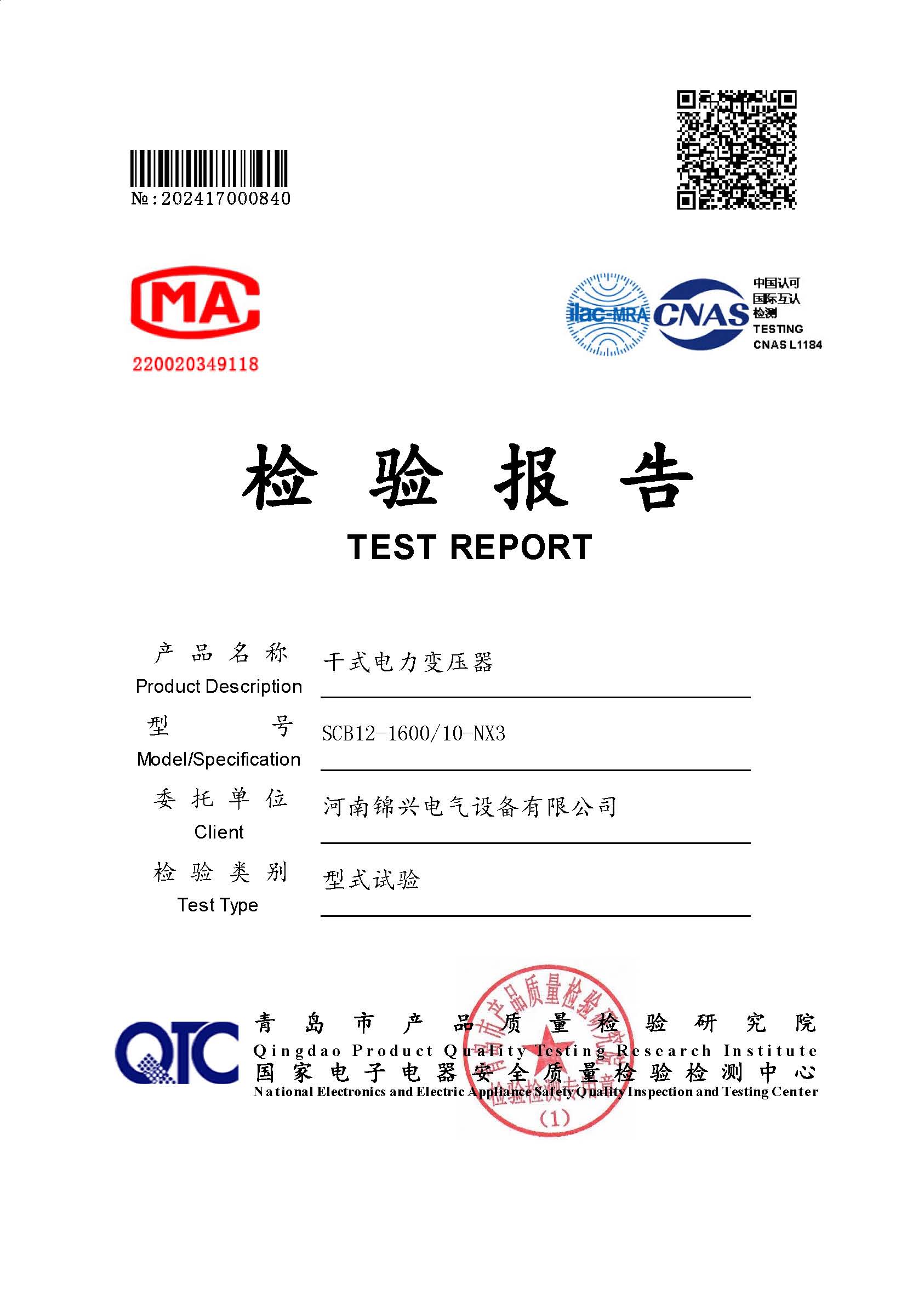
For this selection guide, request a document register that ties each report, certificate, drawing, and routine test to the quoted model or project. Sample evidence supports early qualification; final acceptance records must match the approved configuration and contractual inspection plan.
RFQ Package for power distribution transformer
Use this product-specific structure instead of sending only a keyword, catalogue request, or target price.
| RFQ section | Information to provide |
|---|---|
| System | HV/LV voltage, frequency, earthing method, and upstream fault level |
| Transformer duty | kVA or MVA, load profile, vector group, impedance, tapping, and cooling |
| Installation | Indoor or outdoor location, altitude, ambient temperature, enclosure, and terminal arrangement |
| Commercial | Quantity, destination, required documents, inspection points, and delivery target |
Add the project name, inquiry stage, destination country, quantity, local utility or owner rules, trade terms, and delivery target. If information is not yet available, mark it as "to be confirmed" so the quotation can separate assumptions from confirmed requirements.
Related Guide Cluster
Continue with the closest guides in this product cluster:
- Distribution Transformer vs Power Transformer
- Three-Phase Distribution Transformer Specification
- How to Evaluate Electrical Transformer Manufacturers
Send the Project to Jinxing
Use the Jinxing inquiry form to send the single-line diagram and completed RFQ fields. Ask for the closest Jinxing product match, a list of missing technical inputs, applicable document references, and a quotation that states inclusions and exclusions.
Editorial Scope
Research and drafting were assisted by keyword and generative tools. Product names, routes, public voltage classes, application descriptions, and evidence links were checked against the current Jinxing website data used by this publication workflow. Final engineering, compliance, price, and delivery details require project-specific written confirmation.