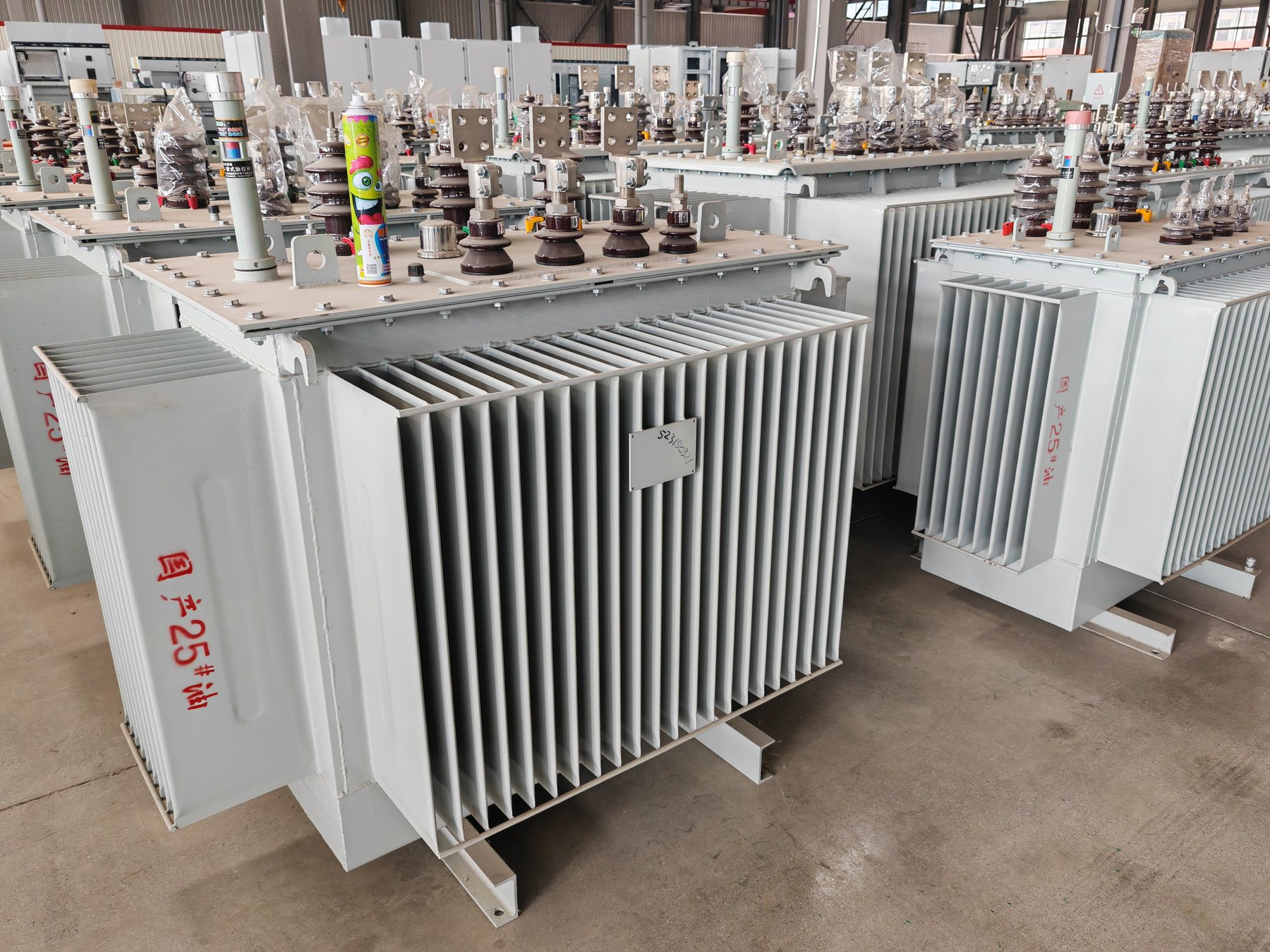
Start with the interfaces that cannot move
A transformer replacement often arrives during a short plant shutdown. Discovering that the LV terminals face the wrong wall can consume the entire outage, even when every nameplate rating matches. Treat the existing foundation, cable ends, busway and access route as separate interfaces in the purchase specification.
The survey should distinguish dimensions measured on site from dimensions copied from an old drawing. Record the drawing revision and date of measurement. Photographs help identify equipment, but perspective photographs cannot establish fixing-centre distances or usable terminal clearances. Have the responsible site team obtain measurements through the site’s approved access and isolation arrangements.
Create a constrained-interface drawing
Use a common datum: for example, the finished foundation surface and the centreline of the incoming cable trench. Ask the proposed supplier to dimension its equipment from those same datums. This makes a side-by-side review possible without guessing which face is considered the front.
| Interface | Existing-site evidence | Required supplier response |
|---|---|---|
| Base support | Foundation plan, fixing centres and condition report | Base dimensions, contact areas, fixing details and operating mass |
| HV connection | Cable size, termination type and available approach | Terminal coordinates, connection arrangement and bending-space requirement |
| LV connection | Busway flange or cable-lug drawing and phase positions | Matching interface drawing, phase sequence and permitted connection forces |
| Removal route | Door openings, corners and lifting restrictions | Shipping envelope, removable accessories and handling drawing |
| Cooling/access | Walls, openings and maintenance envelope | Required ventilation and service-access zones |
A foundation review should address the loaded support arrangement, rather than total mass alone. Four feet and two continuous rails can impose different local loads on the same slab. The civil engineer should assess the revised reactions and anchors; do not assume the old foundation is adequate because the replacement weighs slightly less.
Example: the footprint fits but the connection does not
Consider a hypothetical replacement whose base fits the existing rails. Its LV pads are higher and farther from the busway flange than the original. A short flexible connector might appear to solve the gap, but its current rating, mechanical support, clearances and fault-duty capability still need review. An improvised connector during installation is an unresolved design change.
The useful purchasing decision is whether the supplier will provide a matched transition assembly, whether the site contractor will redesign the connection, or whether a different terminal arrangement should be ordered. Put the selected responsibility and drawing approval date into the order. Include the transition in the outage plan and delivery inspection.
Cooling deserves a separate check. The manufacturer installation guidance illustrates why airflow and mounting conditions matter; its model-specific distances are not universal Jinxing clearances. Obtain clearances for the actual offered design, enclosure and room.
Release the order with an interface register
For a replacement inquiry, send the existing nameplate, verified site drawing, connection drawings, removal-route survey, permitted outage and photographs with orientation labels. Add a register of every dimension still to be verified, with its owner and deadline. Mark foundation modification, adapters, lifting, cable termination and commissioning as included or excluded items.
Use the Jinxing transformer quotation page to request an equipment proposal against this package. Capacity, terminal arrangement and retrofit compatibility require project review. The decision to release manufacture should follow approval of both the electrical data sheet and the physical interface drawing.