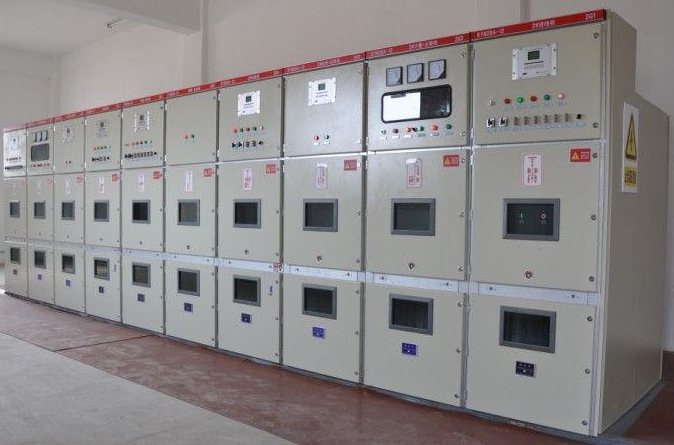
Start with the hardware that the order actually includes
A motorized RMU is not automatically a complete remote-control installation. The purchasing task is to identify the hardware and wiring between each switching mechanism and the communications handover point. A quotation should distinguish installed equipment, prepared mounting or wiring provisions, and items supplied by another contractor.
Specify which RMU functions require remote operation. The mechanism and accessories for a ring switch may differ from those for a transformer protection function. Do not infer a complete operating package from a single motor symbol on the diagram.
Confirm the mechanism and kit identity
For new equipment, request the proposed actuator and control arrangement against each functional unit. For an existing RMU, provide the serial number, production details and mechanism identification before asking about a retrofit.
Schneider Electric's RM6 guidance states that its motorization kit reference depends on equipment serial number or manufacturing year. That is a product-specific example of why identification matters; it does not demonstrate retrofit compatibility for a Jinxing RMU. Manufacturer motorization guidance.
A site retrofit also needs the equipment manufacturer's accepted work scope and procedures. The purchasing review should establish feasibility, included components and required outage conditions before the owner schedules installation. A generic motor of the correct voltage is not a confirmed replacement kit.
Issue a hardware boundary schedule
| Package item | Detail to obtain | Handover decision |
|---|---|---|
| Operating mechanism | Compatible motor, coils or other required actuation components | Factory fitted, field fitted or provision only? |
| Position and control contacts | Required quantity, contact arrangement and connection references | Supplied and wired, or separately fitted? |
| Secondary wiring | Terminal numbers, connectors and cable lengths | Where does RMU wiring end? |
| Auxiliary source | Required duty and supplier responsibilities | Who supplies the source and distribution? |
| RTU or gateway | Hardware, I/O allocation, mounting and power interface | In the RMU package or a separate enclosure? |
| Communications hardware | Approved port, network equipment and physical location | Where does the utility or integrator take over? |
This schedule is a buyer worksheet, not a list of standard Jinxing inclusions. Require each bidder to identify exclusions and unresolved compatibility questions.
Check the space around the added equipment
Ask for a drawing showing the secondary compartment, cable entries and any separate control enclosure. Include access to terminals and replaceable components. An empty mounting area is not enough if installed devices obstruct the operating handle, position indication or approved maintenance access.
The drawing should also identify environmental requirements for the auxiliary equipment. An outdoor RMU enclosure does not by itself establish the suitability of every proposed electronic component. Allocate enclosure protection, thermal conditions and any required environmental provisions in the order.
Example: two complete packages leave one missing connection
Consider a hypothetical offer where the RMU supplier provides motors and terminal contacts, while the utility supplies an RTU in a separate box. The RMU price excludes interconnecting cables; the RTU price assumes those cables already exist. Both deliveries can match their individual lists while the control installation remains incomplete.
Resolve the gap with terminal-to-terminal drawings, cable supply responsibility and a named installation owner. Include the actual cable route in the auxiliary-power design. Request separate prices for excluded hardware and site work so that offers can be compared on the same completed boundary.
Connect the hardware package to the integration documents
IEC 60870-5-104 describes a telecontrol protocol for compatible monitoring and control equipment; it does not specify this complete hardware package. IEC protocol scope.
Once the physical scope is clear, coordinate it with the SCADA signal-list definition. Agree which hardware is present in factory testing and which external wiring and control-centre interfaces remain for site acceptance. Record equipment identities and tested boundaries.
Send the functional-unit schedule, mechanism information, utility hardware requirements and enclosure constraints through the RMU product range and project enquiry page. Final motorization, retrofit suitability and integration scope require technical confirmation for the offered equipment.