Quick answer
Purchase an internal arc classification as a defined, documented requirement. Agree the accessibility type, classified sides, arc current, duration and installation conditions, then ask the supplier to show how the offered assembly is covered. An abbreviation in a brochure does not demonstrate suitability for the proposed location.
Understand what the designation communicates
In Schneider Electric's explanation of IEC terminology, accessibility A concerns authorised personnel, B includes public access, and F, L and R identify front, lateral and rear sides. The designation also states a current and time. These elements describe different aspects of the classification and should remain separate in the enquiry. Official accessibility explanation.
IEC 62271-200 covers applicable metal-enclosed AC switchgear assemblies and includes internal arc provisions. Agree the edition and relevant amendments required by the project; do not assume an old report title and the current tender wording refer to identical requirements. IEC publication information.
Turn the requirement into an evidence table
| Requirement | Buyer input | Supplier evidence to review |
|---|---|---|
| Accessibility | Who can access the installation? | Stated classification and defined front side |
| Classified sides | Which sides are accessible in the final arrangement? | Report coverage for the requested sides |
| Current and duration | Values established by the project design | Test designation and relevant report details |
| Assembly configuration | Panel types and compartments being offered | Identified relationship to the tested assembly |
| Installation conditions | Proposed enclosure, clearances and exhaust arrangement | Applicable installation instructions and limitations |
Use the table to record accepted evidence, deviations and open questions. Do not fill missing fields with assumptions based on another panel in the same product family.
Separate enclosure classification from the protection study
A current value alone is incomplete. The project engineer must also consider the relevant duration and the protection arrangement, including the assumptions behind fault clearing. Procurement should request the design inputs and evidence, rather than attempting to derive a safe operating condition from a headline rating.
Likewise, internal arc classification is not a guarantee that all operating states or every possible fault outcome are covered. The supplied instructions, compartment conditions and project risk assessment remain relevant. This article is about specifying and reviewing equipment evidence, not operating switchgear or conducting arc tests.
Example: rear access changes the decision
In a hypothetical tender, the buyer expects technicians to use a rear service area. A bidder provides evidence with a designation covering front and lateral sides only. The buyer should not interpret the omitted rear designation as an administrative detail.
The design team must determine whether the proposed access arrangement and equipment evidence can be reconciled. Possible outcomes include a different evidenced assembly or a revised accepted installation concept. Each option requires explicit review; a price comparison should retain this deviation until it is resolved.
The same discipline applies if a later building change affects an exhaust route or if a panel is substituted after approval. Ask the supplier to identify any effect on the applicability of the original evidence.
Request a traceable document package
Ask for the report identifier, tested equipment description, rating details and drawings needed to assess the offered arrangement. A certificate cover may help locate the evidence but may not include its complete scope or limitations. Record who reviewed the package and which tender requirement it addresses.
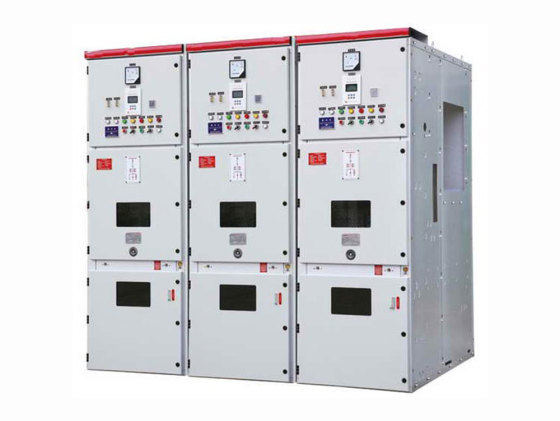
When evaluating medium-voltage switchgear or a KYN28-12 configuration, confirm the exact offered model and applicable documentation. Published sample material should not be treated as proof for every variant.
Enquiry inputs
Send your required IAC designation, installation drawing, project standard and engineering fault-duty inputs through the project enquiry page. Ask for a documented compliance and deviation response before accepting an internal arc claim.