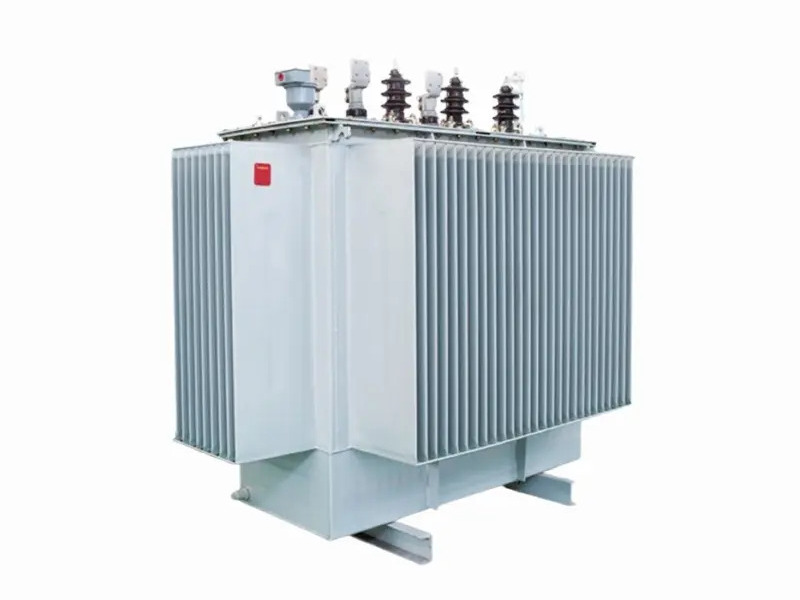
Quick Answer
A transformer FAT plan should connect the approved drawings and specification to agreed routine tests, any witnessed or special tests, calibrated instruments, acceptance criteria, report format, nameplate review, accessory checks, and packing inspection.
AI Snapshot
- Search intent: inspection checklist for transformer factory acceptance test.
- Typical project context: EPC procurement, utility projects, factory expansions, export orders, and owner-witnessed inspections.
- Start with the approved single-line diagram, load data, site conditions, and owner or utility requirements.
- Compare complete quotation scope, not the product name or headline price alone.
- Use Oil-Immersed Transformers and Dry-Type Transformers to verify the Jinxing product range before requesting a configuration.
What this search usually means
A buyer searching for transformer factory acceptance test is usually trying to narrow a technical or procurement decision before requesting a quotation. A transformer FAT plan should connect the approved drawings and specification to agreed routine tests, any witnessed or special tests, calibrated instruments, acceptance criteria, report format, nameplate review, accessory checks, and packing inspection. The useful outcome is not a generic model recommendation; it is a documented set of project inputs that an engineer, EPC contractor, distributor, or procurement team can compare across suppliers.
For EPC procurement, utility projects, factory expansions, export orders, and owner-witnessed inspections, the same product name can represent different voltage classes, duties, accessories, protection schemes, layouts, tests, and document packages. The final configuration should therefore be checked against the project specification and confirmed by Jinxing Electric before tender submission, production, or site acceptance.
Jinxing product match
The following products are taken from the current Jinxing website. They show the relevant public product scope; they do not replace project engineering or a final quotation.
- 10kV Oil-Immersed Transformer: public voltage scope is 10kV / 11kV class; website application is Commercial, residential, rural grid, industrial.
- 35kV Oil-Immersed Transformer: public voltage scope is 35kV class; website application is Medium-voltage distribution and substations.
- 10kV Dry-Type Transformer: public voltage scope is 10kV class; website application is Indoor distribution rooms, factories, commercial buildings.
- 35kV Dry-Type Transformer: public voltage scope is 35kV class; website application is Medium-voltage indoor systems.
Review the detailed product pages for drawings, available evidence, related models, and inquiry requirements. If more than one product appears suitable, send the same single-line diagram and specification for a like-for-like comparison.
Buyer decision checklist
- Inspection and acceptance: Agree document review, factory inspection, routine tests, witness points, packing checks, and site acceptance responsibilities.
- Drawings and test documents: List required GA drawings, single-line diagrams, nameplate data, routine tests, report references, certificates, and shipping documents.
- Applicable standards: State the project standard and utility rules in the RFQ; do not assume a sample report applies to every final configuration.
- Voltage class and ratio: Match the upstream supply, downstream system, insulation coordination, and local utility requirements.
- Capacity and load profile: Use connected load, demand, motor starting, harmonics, redundancy, and future expansion rather than nameplate totals alone.
- Comparable quotation scope: Compare conductor scope, accessories, protection devices, tests, documents, packing, delivery terms, and exclusions on the same basis.
Practical selection workflow
- Step 1: Define whether the request is for budget pricing, tender support, replacement, or final purchase.
- Step 2: Attach the single-line diagram and load schedule when available; these documents prevent many wrong assumptions.
- Step 3: Mark the supply voltage, system frequency, earthing method, destination country, and applicable utility or owner rules.
- Step 4: Confirm the duty of every transformer, panel, feeder, metering unit, or compensation section included in the request.
- Step 5: Record indoor or outdoor conditions, altitude, ambient range, dust, humidity, corrosion, ventilation, cable direction, and available space.
- Step 6: List required drawings, routine tests, report references, certificate scope, inspection points, packing, and shipping documents.
- Step 7: Compare supplier quotations only after inclusions, exclusions, ratings, accessories, tests, documents, and delivery terms are aligned.
Standards and document scope
The Jinxing website references GB 1094, GB/T 6451, GB/T 10228, IEC 60076 for the relevant product families. Treat these as standards families or project references to discuss, not as proof that every configuration automatically meets every clause. Ask Jinxing to identify the applicable report or certificate scope for the exact model, rating, and arrangement in the quotation.
Available website evidence for early review includes:
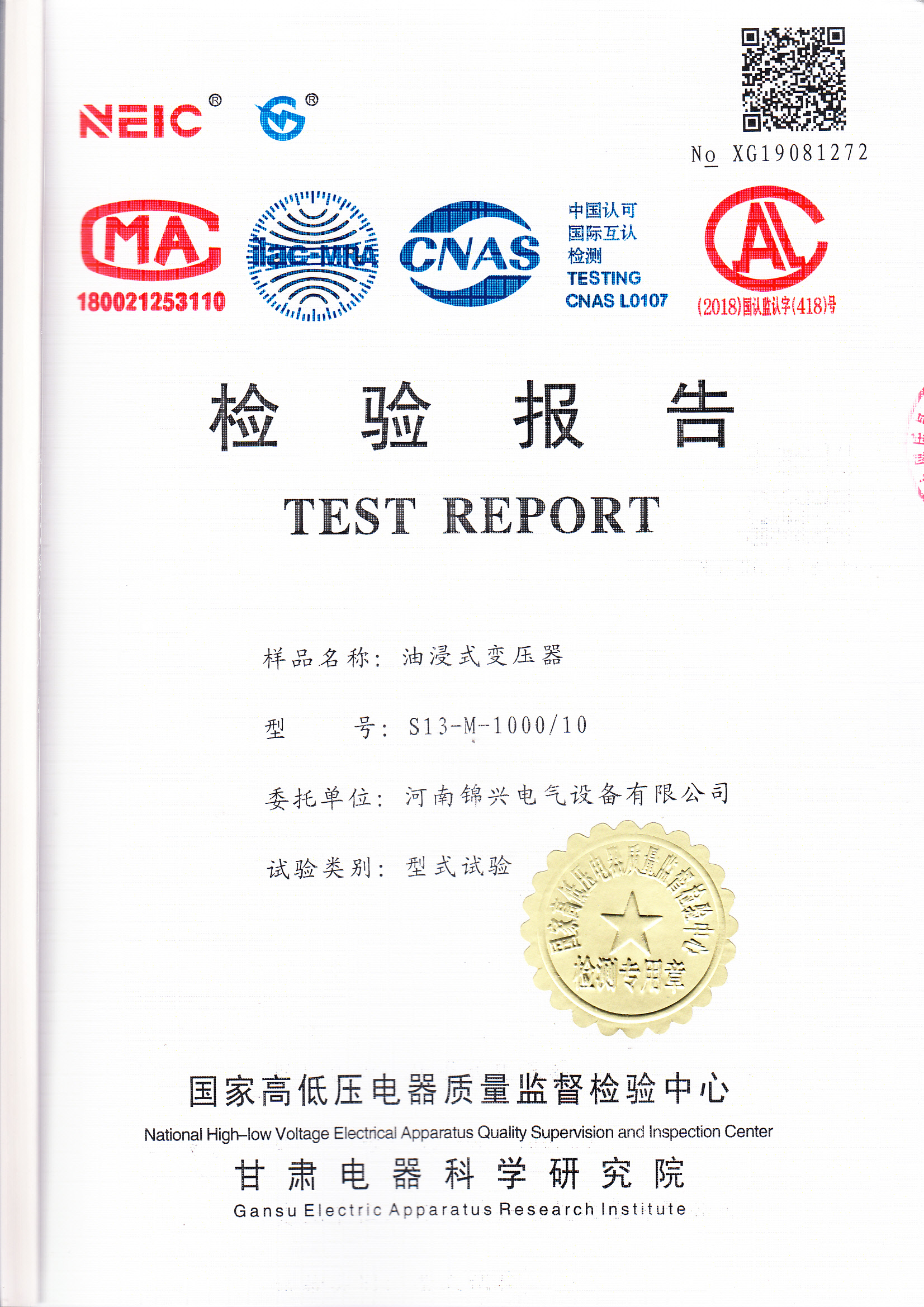
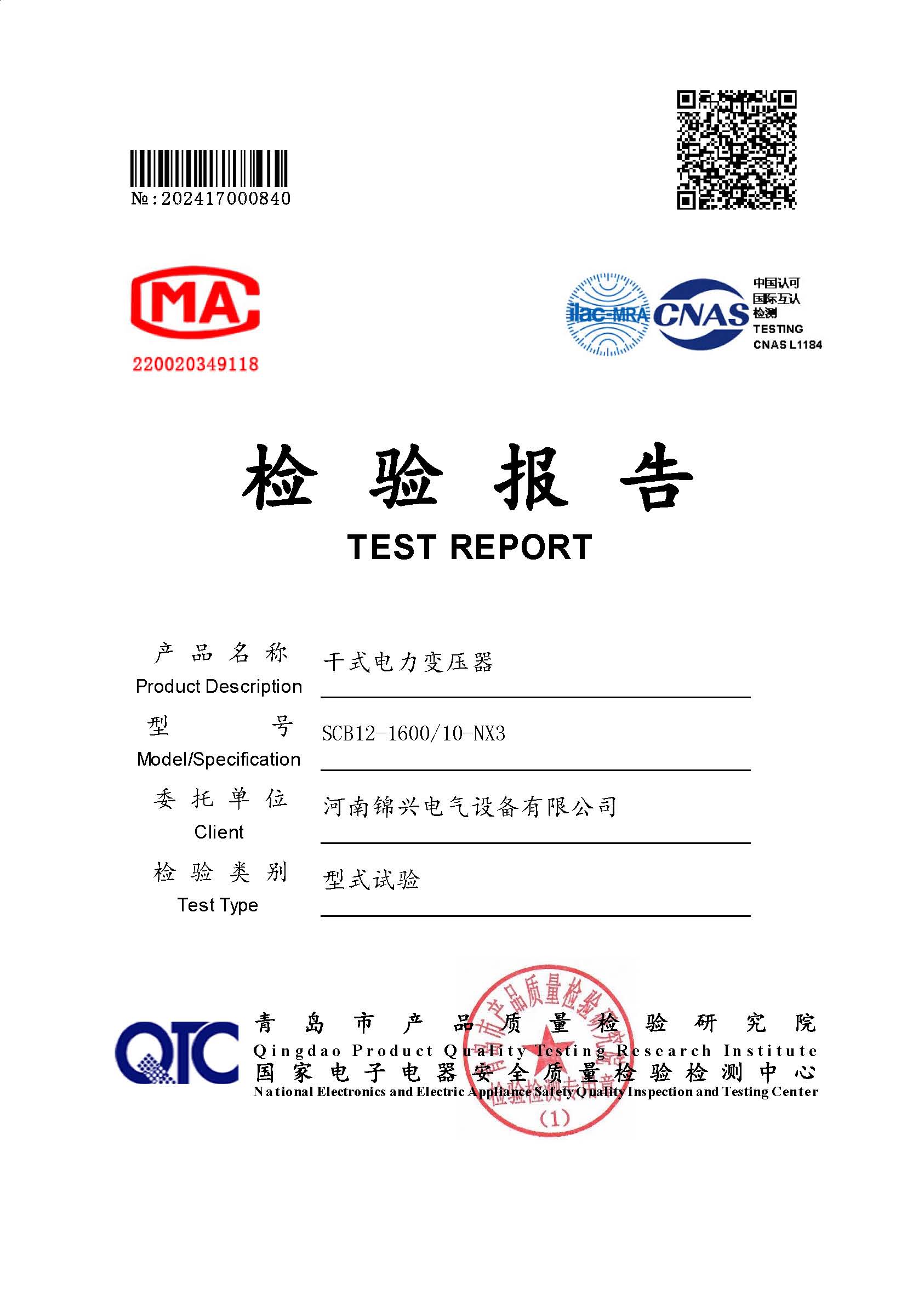
Sample reports and certificates can support supplier pre-qualification. Final tender and acceptance documents should match the manufactured configuration, approved drawings, nameplate, routine test plan, and contractual document list.
Common mistakes
- Choosing from a model name without checking the actual voltage, duty, loading, fault level, and installation environment.
- Reusing a specification from another project without reviewing utility rules, climate, cable layout, or owner acceptance requirements.
- Treating a sample report or certificate as universal evidence for every rating and arrangement.
- Comparing price before aligning conductor material, protection devices, metering, accessories, tests, documents, packing, and delivery scope.
- Freezing the room, trench, or enclosure layout before the supplier confirms cable termination and maintenance access.
- Leaving spare capacity or future feeder requirements undefined until after drawings are approved.
RFQ checklist
- Project name, country, destination, and inquiry stage.
- Single-line diagram, load schedule, and equipment list if available.
- Voltage class, ratio, capacity, current, feeder duty, and quantity as applicable.
- Fault level, protection, metering, CT/VT, relay, interlock, and earthing requirements.
- Indoor or outdoor environment, altitude, ambient conditions, enclosure, ventilation, and cable entry.
- Applicable IEC, GB, utility, owner, or local requirements.
- Required drawings, reports, certificates, inspection, packing, and shipping documents.
- Delivery target, trade terms, and any site dimension or transport restrictions.
Related Jinxing pages
- Oil-Immersed Transformers
- Dry-Type Transformers
- 10kV Oil-Immersed Transformer
- 35kV Oil-Immersed Transformer
- 10kV Dry-Type Transformer
- 35kV Dry-Type Transformer
- Request a Quote
Use the product-family page for technical orientation, then send the project documents through the Jinxing contact page for a quote-ready review.