Quick answer
Approve a transformer nameplate drawing against the accepted equipment data, connection drawing and project identification schedule. Resolve conflicting values before releasing the affected manufacturing documents. Separate information that can be approved at design stage from unit-specific information completed later, and require a final reconciliation with the delivered transformer and its records.
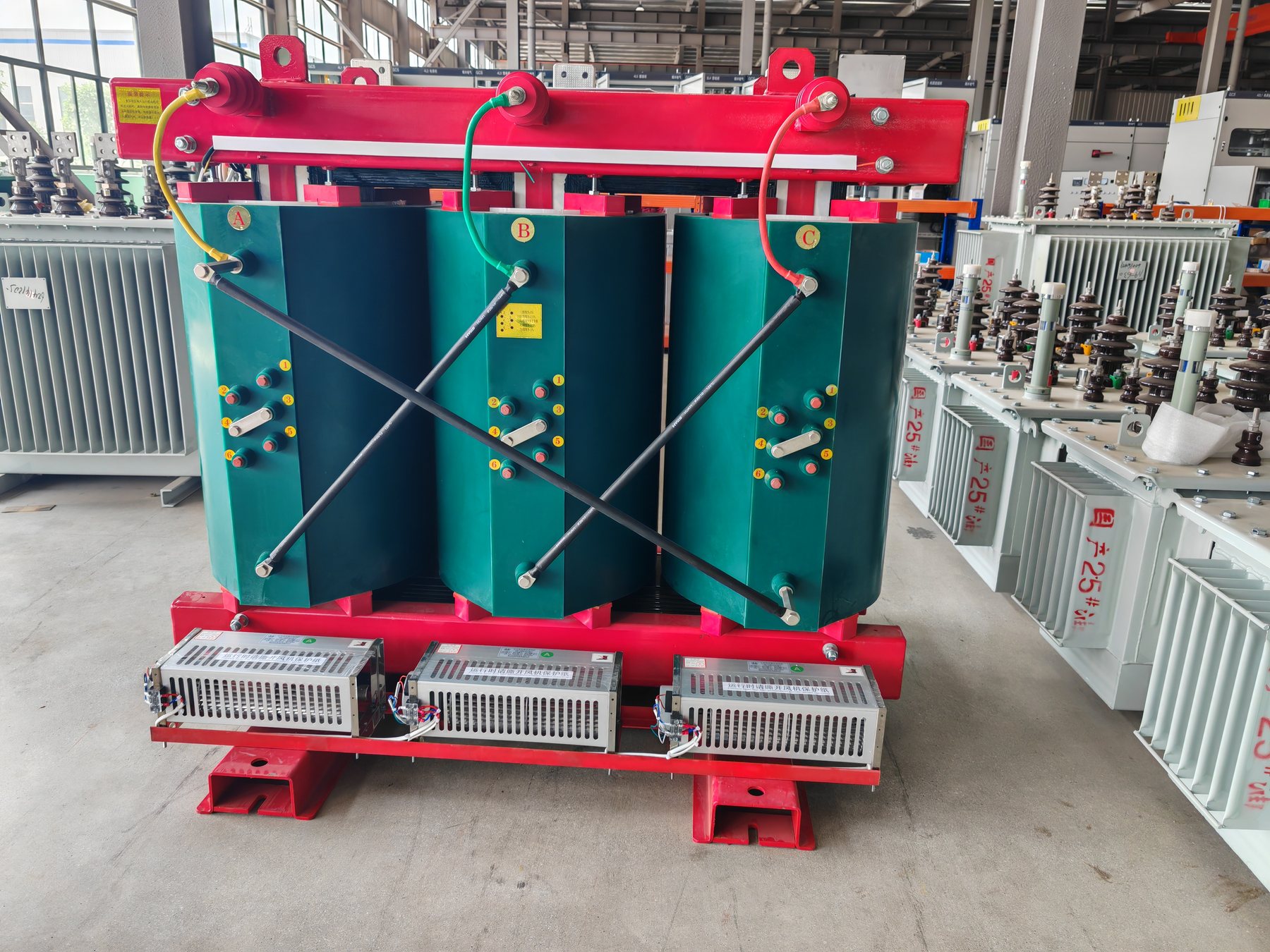
!Jinxing dry-type transformer product photograph
Treat the plate as a controlled document
A rating plate connects the physical transformer to the documents used to purchase and accept it. A buyer can have an approved quotation and still receive inconsistent identification if the plate artwork was prepared from an earlier data sheet. Asking to approve the artwork makes that discrepancy visible while it is still a document issue.
Schneider Electric's installation bulletin for its dry-type transformers rated 1000 volts and below asks installers to compare nameplate information with building drawings, including capacity and primary and secondary voltages. This is a concrete example of the importance of agreement between records. Its installation rules and product ratings do not establish requirements for a Jinxing medium-voltage transformer. See the manufacturer's installation bulletin.
For a new purchase, move the document comparison into the approval schedule. Identify who prepares the plate, who checks technical values, who approves the project tag, and who authorizes the final artwork. A purchasing contact should not have to infer engineering values from a catalogue illustration.
Compare fields with their controlling records
Use the following worksheet to organize the review. It is not an exhaustive list of mandatory plate markings: the supplier and project engineer must identify the requirements applicable to the specified transformer and contractual standard.
| Review group | Record to compare | Decision before artwork approval |
|---|---|---|
| Equipment identity | Purchase order and asset-tag register | Confirm manufacturer identity, project tag and unit allocation |
| Electrical rating | Accepted technical data sheet | Reconcile capacity, voltages, frequency and relevant rating conditions |
| Connections and taps | Approved connection and tapping drawings | Confirm designations and the relationship between listed values |
| Cooling and duty | Accepted transformer configuration | Check that any multiple ratings retain their stated conditions |
| Unit-specific entries | Manufacturer's identification and final record process | Agree which entries are completed later and how they are checked |
| Presentation | Owner's language and document requirements | Approve units, terminology, legibility and artwork revision |
Give each discrepancy an owner and a closing document reference. A comment such as “check voltage” is less useful than identifying the conflicting data-sheet and plate revisions.
Keep project tags separate from serial identification
The owner may allocate an asset tag before the manufacturer assigns a serial number. Preserve both identities and their purpose. Several transformers can share the same design and still need separate records that identify the individual units.
Request a mapping between project tag, manufacturer identification and final document references. If the buyer changes a tag after artwork approval, record the change in the drawing register and delivery documentation. Avoid overwriting the manufacturer's identity with an informal site nickname.
For dry-type equipment supplied with a separate enclosure or accessories, ask how those items are identified and associated with the main transformer. Do not assume every separately shipped component uses the same plate or identification method. The order should make the relationship traceable without inventing additional rating claims.
Example: artwork follows the wrong revision
Consider a hypothetical building project where the engineering team accepts a revised secondary voltage during design review. The quotation attachment is updated, but the nameplate artwork still uses the earlier value. The plate reviewer notices the mismatch before approval.
The response is to establish which engineering decision controls and request a coordinated revision. If the mismatch reveals uncertainty about the actual equipment design, the responsible parties must resolve that uncertainty before releasing affected work. Editing the plate alone cannot correct equipment built to a different requirement.
Record the outcome against the data sheet, connection drawing and plate artwork. This creates a clear acceptance basis for the later factory document review, rather than leaving inspectors to decide which of several contradictory documents is authoritative.
Separate preliminary approval from final acceptance
Some unit-specific information may not be available when the preliminary artwork is reviewed. Ask the manufacturer to identify these fields explicitly and define when their completed values will be submitted. Conditional approval should state precisely what remains open and which work it permits under the agreed contract.
At final document review, request the completed plate record and a legible photograph associated with the equipment identity. Compare these with the approved drawing revision and applicable final records. The photograph supports identification; it does not replace test evidence or demonstrate technical compliance by itself.
Preserve the accepted version in the handover package. If an error is found, request the manufacturer's documented correction and corresponding record update. Field relabelling without resolving the underlying discrepancy can leave the next maintenance team with conflicting information.
RFQ information to provide
For a dry-type transformer enquiry, include:
- The accepted electrical schedule or a clearly identified preliminary version.
- Project asset tags, quantities and the person authorized to approve them.
- Required document language, units and owner terminology.
- The contractual standards and the party responsible for confirming required markings.
- Requested plate-drawing submission stage and approval responsibilities.
- Final identification, photograph and handover-record requirements.
Use the transformer quotation page to request a document scope alongside the equipment offer. For broader input preparation, consult the distribution transformer data-sheet checklist. Available configurations and document deliverables require confirmation for the order.
FAQ
Does approving the nameplate approve the whole transformer?
No. It records acceptance of a defined document within the agreed review process. Equipment design, installation suitability and test evidence need their own applicable review.
Can one artwork drawing cover several units?
A common layout may be practical for identical designs, but each unit still needs traceable identification. Ask how individual tags and final records are assigned and checked.
What if the plate and final report disagree?
Record the discrepancy and refer it to the manufacturer and responsible engineer before accepting the affected documentation. Establish the correct equipment identity and technical basis, then obtain coordinated corrections.