Make the earthing decision visible to the supplier
A transformer enquiry often states the vector group but leaves the neutral arrangement to a later discussion. The winding connection and the installation earthing arrangement are related, but one does not fully specify the other. The equipment supplier needs to know what neutral connection must be accessible and how it fits the approved system design.
The Electrical Installation Guide distinguishes the source-to-earth connection from the treatment of exposed conductive parts and the protection arrangement. Those choices should come from the responsible electrical designer and applicable local requirements.
Separate the physical and electrical interfaces
List the winding neutral terminal, the transformer frame/tank earth terminals, any neutral-to-earth link, and any external earthing impedance as separate items. This prevents an ambiguous instruction such as provide earthing from being interpreted as including equipment that another contractor expects to supply.
| Interface | Information to put in the RFQ | Party to identify |
|---|---|---|
| Winding neutral | Accessibility, terminal location, continuous and fault-duty requirements | Transformer supplier and system designer |
| Frame or tank bonding | Terminal arrangement and connection drawing | Supplier and installation contractor |
| Neutral-earth connection | Intended location, link arrangement and ownership | Electrical designer |
| External earthing equipment | Required interface and separately specified equipment | Designated equipment supplier |
| Earth-fault measurement | CT arrangement, space and wiring interfaces where required | Protection designer and panel supplier |
| Source changeover | Permitted source states and neutral-switching philosophy | System designer and controls contractor |
The table defines the information exchange, not a universal wiring arrangement. Do not add or remove a neutral-earth connection on site to resolve an undocumented interface.
Include parallel sources and generators in the description
A neutral arrangement reviewed for one transformer can become incomplete when a second transformer or standby source is added. State whether sources can be connected simultaneously, how the bus coupler operates and whether the neutral is switched in the approved transfer scheme. Provide the complete source diagram, not only a drawing of the transformer being purchased.
Ask the protection designer to review earth-fault current paths for the allowed operating states. If the design includes an external resistor or another impedance, the supplier needs the specified interface and duty. A single resistance value without its intended current, duration and connection context is not a complete equipment enquiry.
Example: two contractors assume the other supplies the link
An EPC specification may require an accessible neutral while the switchboard contractor assumes that the neutral-earth link is inside the transformer enclosure. The transformer supplier may instead provide a terminal for a site-installed link. Both quotations can appear compliant until installation reveals the gap.
Close it with a marked interface drawing showing the approved link location, enclosure ownership, access provision, connection detail and associated test/document responsibility. Record the conclusion in both equipment orders. A note in a general meeting minute is easily missed by a manufacturing team working from the latest drawing set.
Information for a project-specific quotation
Attach the source single-line diagram, earthing arrangement drawing, neutral conductor duty, fault-study information relevant to the interface, and the protection/metering requirements. Identify any external component explicitly as buyer-supplied, supplier-supplied or still awaiting engineering selection.
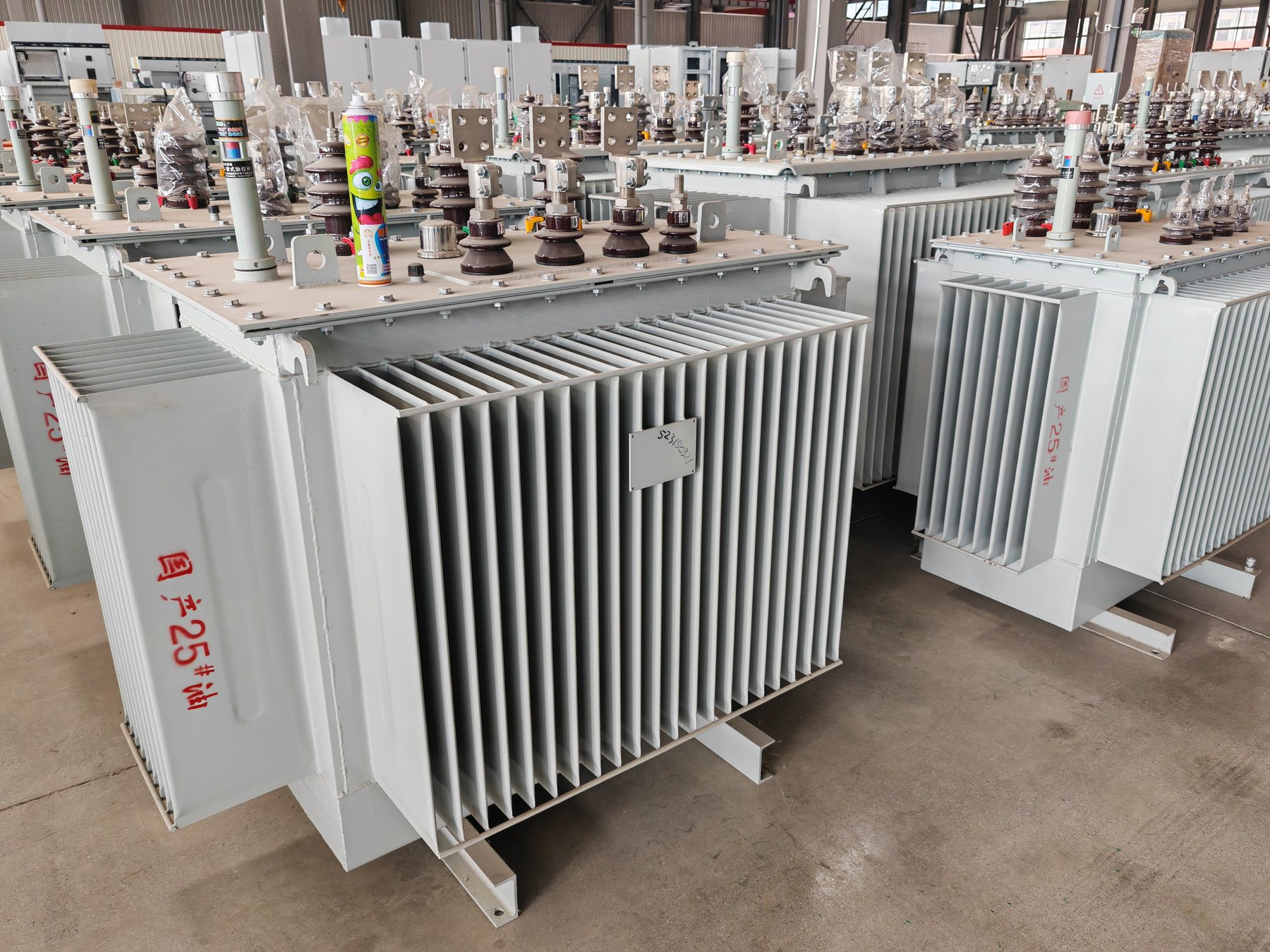
Use the Jinxing transformer quotation page to request a proposal against these approved requirements. Ask the supplier to mark the neutral and frame-earth details on its general arrangement and connection drawings. The final offered arrangement requires project confirmation; no universal neutral-bonding configuration should be inferred from a product photograph.