Published 2026-05-09 | Updated 2026-05-09
Short Answer
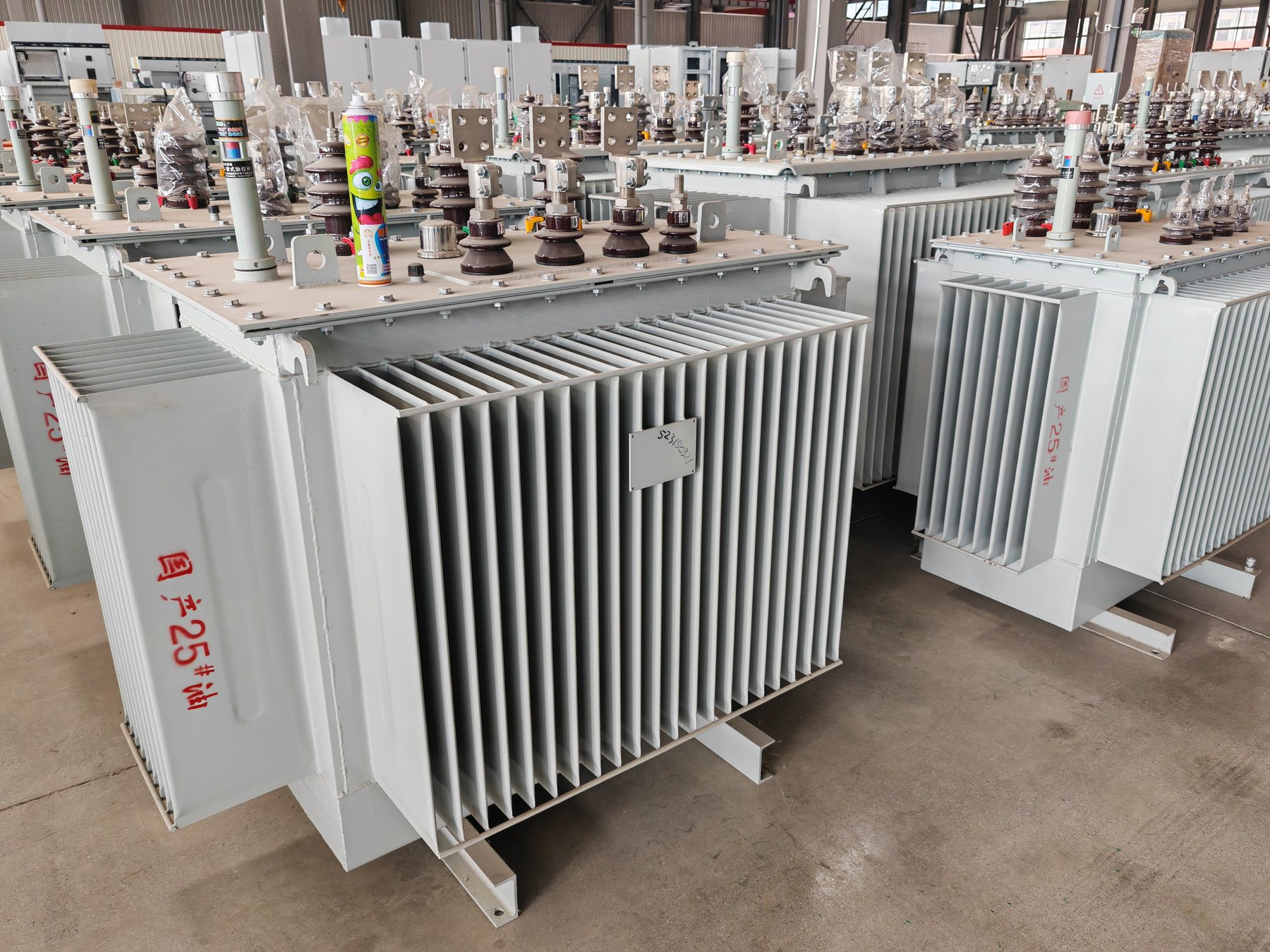
Use oil-immersed transformers when outdoor installation, higher capacity, cost efficiency, and utility distribution are the priority. Use dry-type transformers when indoor installation, fire safety, lower maintenance, and building distribution are more important.
Start With the Installation Environment
The first decision is usually not the brand or even the voltage. It is where the transformer will be installed. Outdoor substations, utility distribution points, industrial yards, and higher-capacity power projects often use oil-immersed transformers because they are robust, efficient, and suitable for outdoor service with the right tank and protection design.
Indoor distribution rooms, commercial buildings, hospitals, data-related facilities, factories, and sites with tighter fire-safety requirements often prefer dry-type transformers. They do not use transformer oil as the main insulating and cooling medium, which makes them easier to place inside buildings when ventilation and enclosure design are properly handled.
- Outdoor grid or industrial distribution: oil-immersed transformer is usually the first option.
- Indoor commercial or building distribution: dry-type transformer is usually easier to approve.
- Compact substations can use either option depending on the project design and local standard.
Compare Capacity, Cooling, and Maintenance
Oil-immersed transformers are widely used for medium and larger distribution capacities because transformer oil supports insulation and heat dissipation. For procurement, the key checks are capacity, voltage class, loss level, impedance, cooling method, accessories, and testing documents.
Dry-type transformers are commonly selected for lower to medium distribution capacities where indoor operation and lower routine maintenance matter. The buyer should confirm capacity, insulation class, cooling method, enclosure grade, noise requirement, and installation clearance.
Documents Buyers Should Ask For
For international projects, the transformer decision should be supported by more than a product photo. Ask for type test reports, routine test references, certificates, dimensional drawings, nameplate information, and packing details. These documents reduce risk during tender review, customs clearance, site acceptance, and engineering approval.
Jinxing Electric can prepare quotation support around voltage, capacity, standard, drawings, certificate needs, and destination market. This is especially important when the buyer is purchasing for Armenia, Indonesia, Colombia, Chile, Georgia, Peru, Algeria, Malaysia, or other overseas grid and industrial markets.
- Voltage class and rated capacity
- Connection group and impedance
- Loss level and cooling method
- Installation environment and enclosure requirement
- Required certificates, reports, and drawings
Related Product Pages
FAQ
1. Is a dry-type transformer always better for indoor installation?
Dry-type transformers are commonly preferred indoors because they avoid transformer oil and can simplify fire-safety review, but ventilation, enclosure, capacity, and local code still need to be checked.
2. Which transformer is better for outdoor utility distribution?
Oil-immersed transformers are commonly selected for outdoor utility and industrial distribution because they are robust, efficient, and widely accepted for medium-voltage networks.