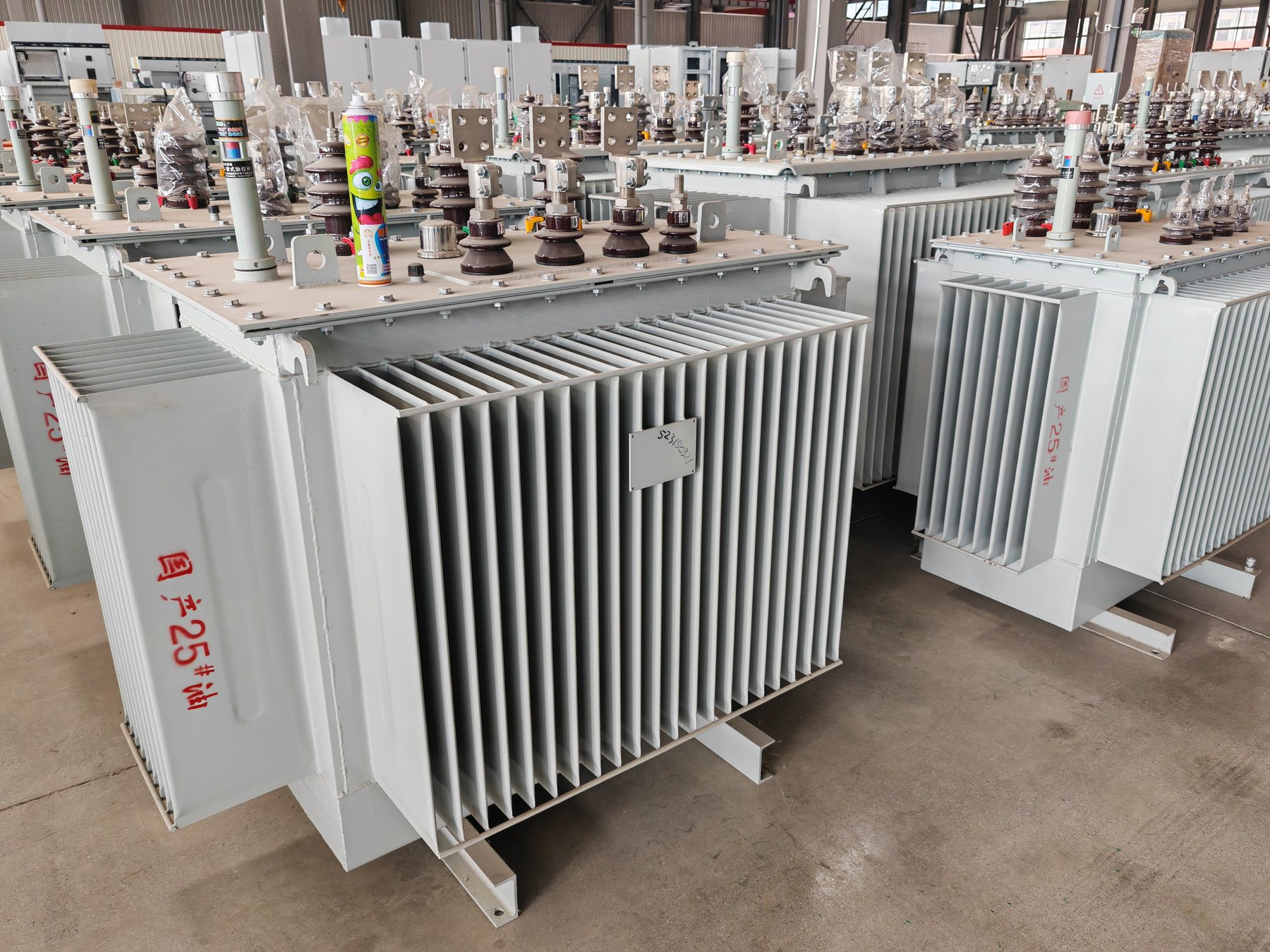
The transformer tank and site containment are different scopes
An oil-immersed transformer retains its insulating liquid during normal operation. Site secondary containment addresses a different event: liquid escaping from equipment or associated components. A transformer quotation therefore cannot, by itself, establish that the site’s bund, drainage or firewater arrangements are adequate.
The civil and electrical teams need a shared interface drawing before pouring foundations. Show the tank, radiators, conservator where applicable, cable routes, maintenance access, drainage points and nearby equipment. Mark which parts may contain oil and which are removed or installed during transport.
Start from the actual fluid inventory
Ask the transformer supplier for the relevant liquid type and quantity for the offered configuration, including associated oil-containing components within the containment scope. Distinguish shipment condition from operating condition. An oil quantity copied from a different rating can lead to an incorrectly sized containment scheme.
Western Power's oil containment standard provides a utility example of how bunds, drainage and isolation form one system. Its detailed provisions apply within that utility's context. The project must use the requirements accepted by its own authority, owner and responsible designers.
Review usable capacity and drainage together
| Design input | Interface information | Review question |
|---|---|---|
| Oil inventory | Offered equipment and fluid quantities | What credible release is the design retaining? |
| Displacement | Plinths, equipment and other occupied volume | How much of the geometric bund volume is actually usable? |
| Rainwater | Normal accumulation and removal arrangements | Is capacity available when an incident occurs? |
| Firewater | Site fire strategy and relevant water quantities | Where is contaminated incident water retained? |
| Drainage outlet | Valves, controls, alarms and downstream destination | How is uncontrolled discharge prevented? |
| Maintenance | Access, inspection and waste-removal method | Can the containment remain effective in service? |
A percentage applied to oil quantity is not a complete design if rainfall, displaced volume or incident water must also be considered. Avoid importing a familiar tank-storage percentage as a universal transformer rule without checking its applicability.
An illustrative capacity check
Suppose a preliminary civil drawing provides 3,000 litres of geometric space. Equipment and plinths occupy 300 litres, and the operating plan permits 400 litres of retained water before removal. The remaining volume is 2,300 litres before any other project allowances. This arithmetic illustrates why geometric volume and available containment are different; it does not determine the required capacity for a real installation.
If the offered transformer configuration changes its oil inventory after civil design, revise the calculation and drawing before manufacture or construction release. Keep one accountable owner for that update. A drawing marked approved for construction should not continue using a superseded tender estimate.
Close control and maintenance responsibilities
Define who supplies and powers any drainage isolation equipment, who receives alarms, and what inspection restores capacity after rainfall or maintenance. The environmental and fire design should address the response to an incident and loss of auxiliary power where relevant. Do not assume that installing an oil-water separator alone answers every retention question.
For a Jinxing oil-immersed transformer proposal, send the civil arrangement, containment boundary and requested fluid data. Ask for the offered oil inventory and accessory layout as controlled documents. Civil containment, site drainage and regulatory acceptance should be explicitly assigned in the project scope rather than left implicit in the transformer price.