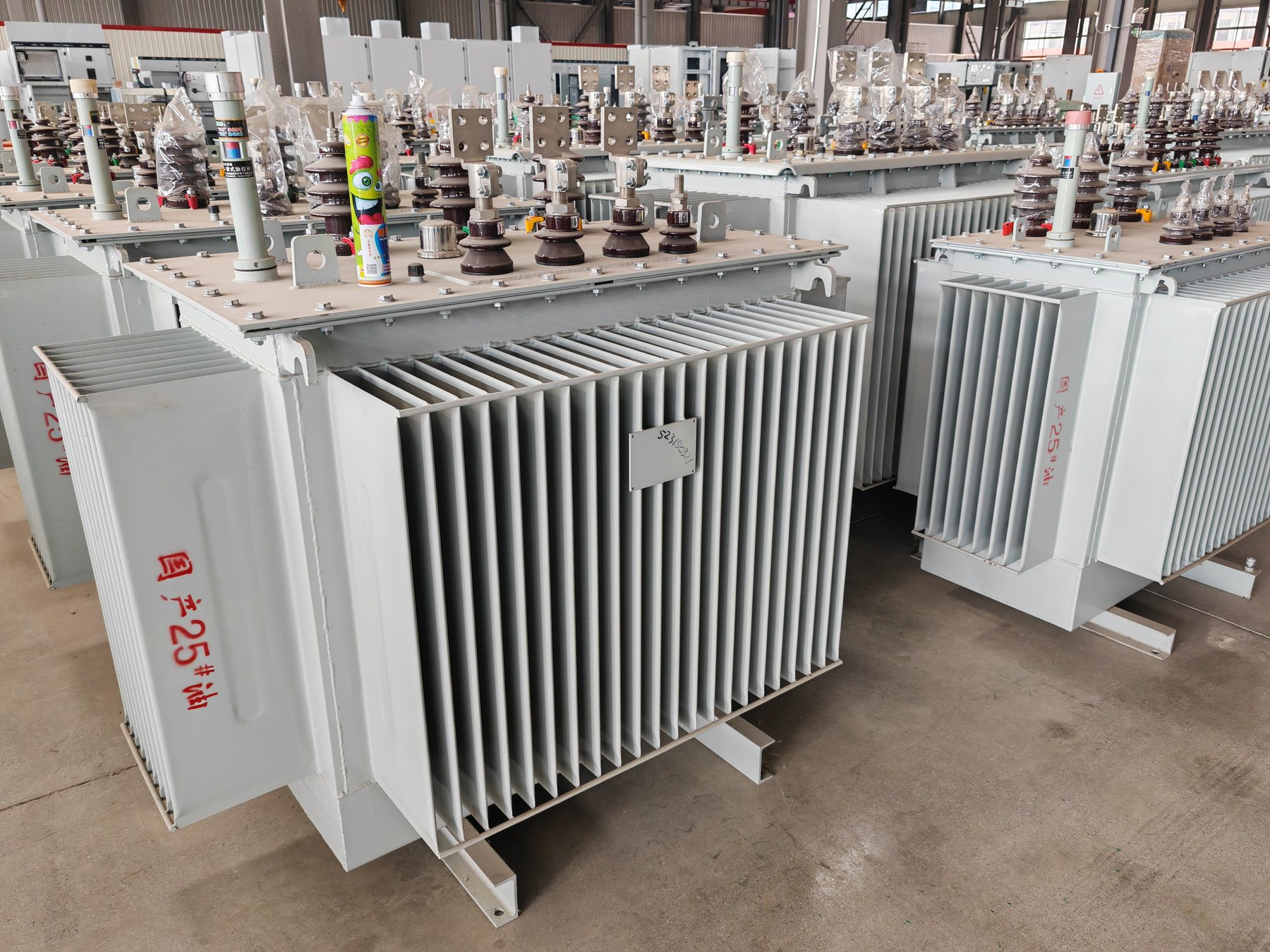
Specify impedance as a defined design parameter
Percentage impedance describes the impedance voltage on the transformer's stated base. It influences current during a fault and the voltage behavior under load. A quotation that lists only “impedance: standard” may therefore leave an important network assumption unresolved.
Ask for the value, reference rating, tapping basis, applicable tolerance and the basis used for the reported result. Compare like-for-like data. A number taken from a different rating or base should not be inserted unchanged into a network calculation.
Understand the engineering tradeoff
| Project concern | Why impedance matters | Information needed for review |
|---|---|---|
| Downstream fault withstand | Transformer impedance contributes to limiting fault current | Source impedance and LV equipment duties |
| Voltage regulation | Internal voltage drop depends on impedance components and load | Load power factor, tap position and voltage limits |
| Large transient loads | Network impedance affects the voltage response | Source data and the relevant load characteristic |
| More than one transformer | Impedance influences sharing under the defined connection | Consistent bases and the complete operating study |
| Contract acceptance | Actual measured value may differ within allowed tolerance | Specified target, tolerance and test reference |
A lower impedance can increase the prospective fault current. A higher value may complicate voltage-performance requirements. Procurement should preserve the value accepted by the project study rather than optimizing one consequence in isolation.
A simplified fault-current illustration
Consider a hypothetical 800 kVA, 400 V three-phase transformer. Rated secondary current is approximately 1,155 A. If the upstream source is treated as infinitely strong and other contributions are omitted, a simplified terminal short-circuit estimate is rated current divided by per-unit impedance.
At 4% impedance that estimate is about 28.9 kA; at 6% it is about 19.2 kA. The example shows why an apparently small percentage change matters to downstream equipment selection.
It is not a final fault study or a proposed Jinxing rating. The actual calculation must include the relevant source and connection impedances, contributions from other sources and the required calculation method. Peak duty and short-time withstand also need their own assessment.
Review substitution before approving a purchase
Suppose the electrical design was prepared around a specified impedance, but a lower-priced offer proposes a different value. Do not accept the change solely because kVA and voltage ratio match.
Ask the designer to recheck fault duty and voltage performance using the offered data and permitted tolerance. If the result changes the LV switchboard or protective-device requirements, that downstream impact belongs in the commercial comparison. A cheaper transformer can otherwise move cost or risk to another package.
Tie the test result to the agreed basis
The approved datasheet and test documentation should make it possible to identify the value applicable to the ordered unit. Require explanation of deviations from the agreed requirement and preserve the final parameter in the project network model.
For planned parallel service, check the required phase relationship using the vector-group guide and complete the wider compatibility study; matching impedance alone is insufficient. Use the industrial load-sizing guide to establish operating demand, then evaluate large motor starting separately from this initial impedance comparison.
Provide the required rating, voltage ratio, operating arrangement, source fault information and the study's impedance requirement through transformer quotation. Review the relevant oil-immersed or dry-type transformer family; proposed values and acceptance tolerances require project-specific confirmation.