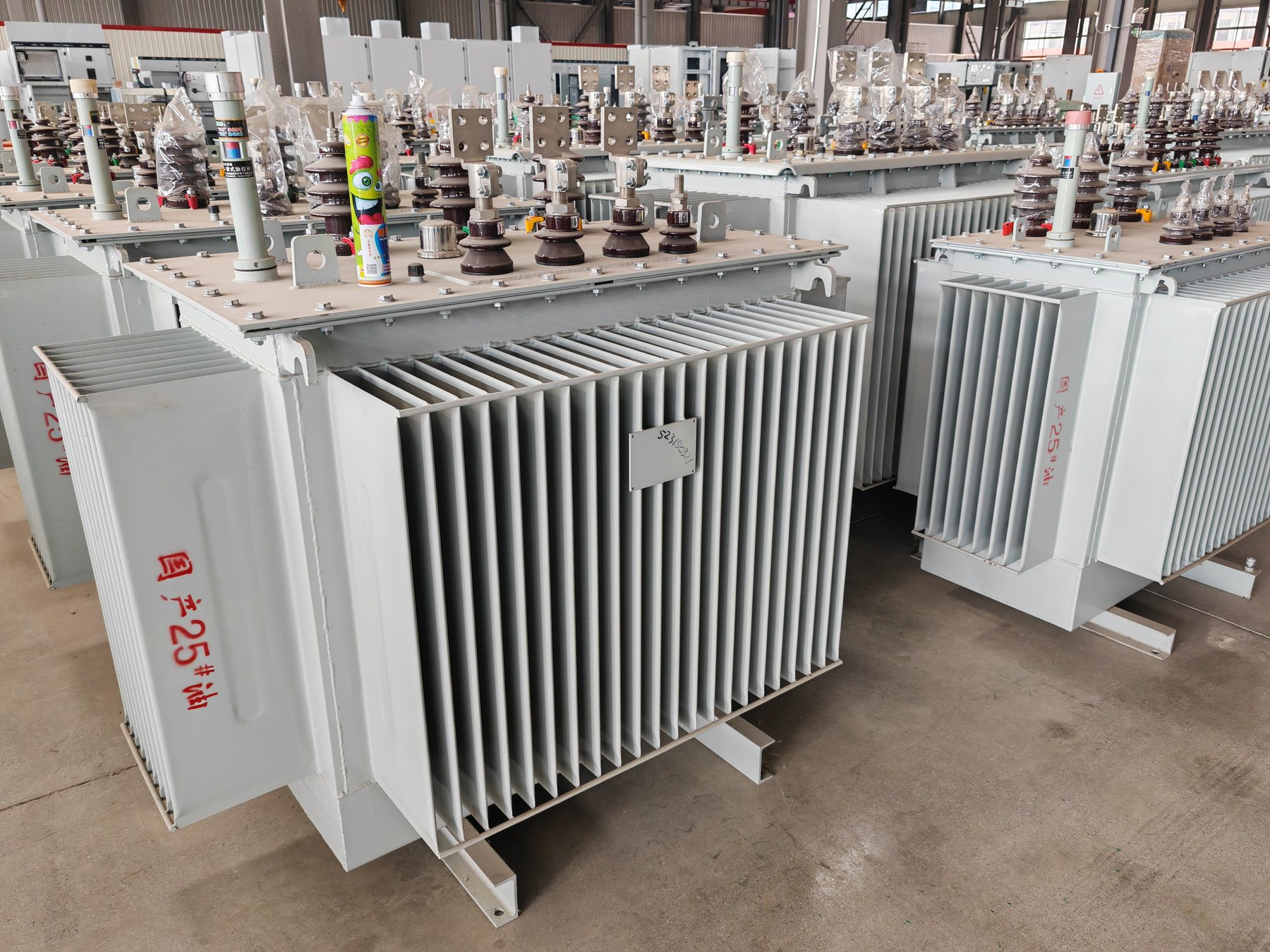
Build an electrical load schedule
An industrial load list often mixes motor shaft output, electrical input, connected capacity and measured demand. These quantities cannot be added indiscriminately. Record the basis of every entry before calculating transformer capacity.
For motors, distinguish mechanical output from electrical input and use appropriate efficiency information when conversion is needed. For measured loads, identify the measurement period and operating state. A maximum value captured during an unusual event may need separate treatment from sustained production demand.
Make the assumptions visible
| Load group | Record for the demand model | Question that changes the result |
|---|---|---|
| Production motors | Electrical input, operating combinations and power factor | Which machines actually run together? |
| Heating and processing | Controlled duty cycle and maximum duration | Is demand steady or batch-dependent? |
| Building services | Coincidence with production and seasonal conditions | Does the peak occur during the hottest shift? |
| Electronic drives and UPS loads | Input demand and relevant current characteristics | Is a separate harmonic thermal assessment needed? |
| Future equipment | Approved load, start date and operating pattern | Is the expansion committed or merely possible? |
| Standby arrangement | Loads retained during an outage | Must one transformer carry the entire essential load? |
Use justified utilization and coincidence assumptions. Copying one diversity factor across all circuits can hide a production combination that the transformer actually has to serve.
Add real and reactive demand consistently
For a simplified sinusoidal example, assume a process group takes 300 kW at power factor 0.80 while another simultaneous group takes 100 kW at unity power factor. The first group requires 225 kvar; the second contributes no reactive demand in this illustration.
The combined demand is therefore 400 kW and 225 kvar, giving approximately 459 kVA from S = √(P² + Q²). Adding the separate kVA values would produce a different result because the groups have different power factors.
Now add a documented future group of 100 kW at power factor 0.80. The combined values become 500 kW and 300 kvar, or about 583 kVA. This is a transparent expansion scenario, not a blanket instruction to choose a particular standard transformer size.
Capacity selection comes after the demand model
Compare candidate ratings against the duration of loading, ambient conditions and the proposed cooling arrangement. Include planned outages and abnormal but permitted operating modes. A brief peak and continuous production at the same kVA impose different questions.
Large motor starting also needs its own voltage-performance review; the steady demand calculation does not resolve it. The impedance selection guide explains one relevant network parameter, but a separate starting study remains necessary. For candidate dry-type transformers, include the nonlinear load spectrum in the enquiry and request a thermal assessment rather than applying an arbitrary capacity multiplier.
Keep reserve decisions explicit
Separate installed spare capacity from future expansion that could be served by another unit. Record the business reason for the chosen reserve and the consequence of losing a transformer. This helps the buyer compare the initial capital cost with the actual production requirement.
The RFQ should contain the load schedule, calculation assumptions, representative operating profile, voltage ratio, site conditions and future-load scenario. Review dry-type transformers or oil-immersed transformers, then send the calculation basis through transformer quotation. Final rating and configuration need confirmation against the project; the illustrative numbers here are not published Jinxing product limits.