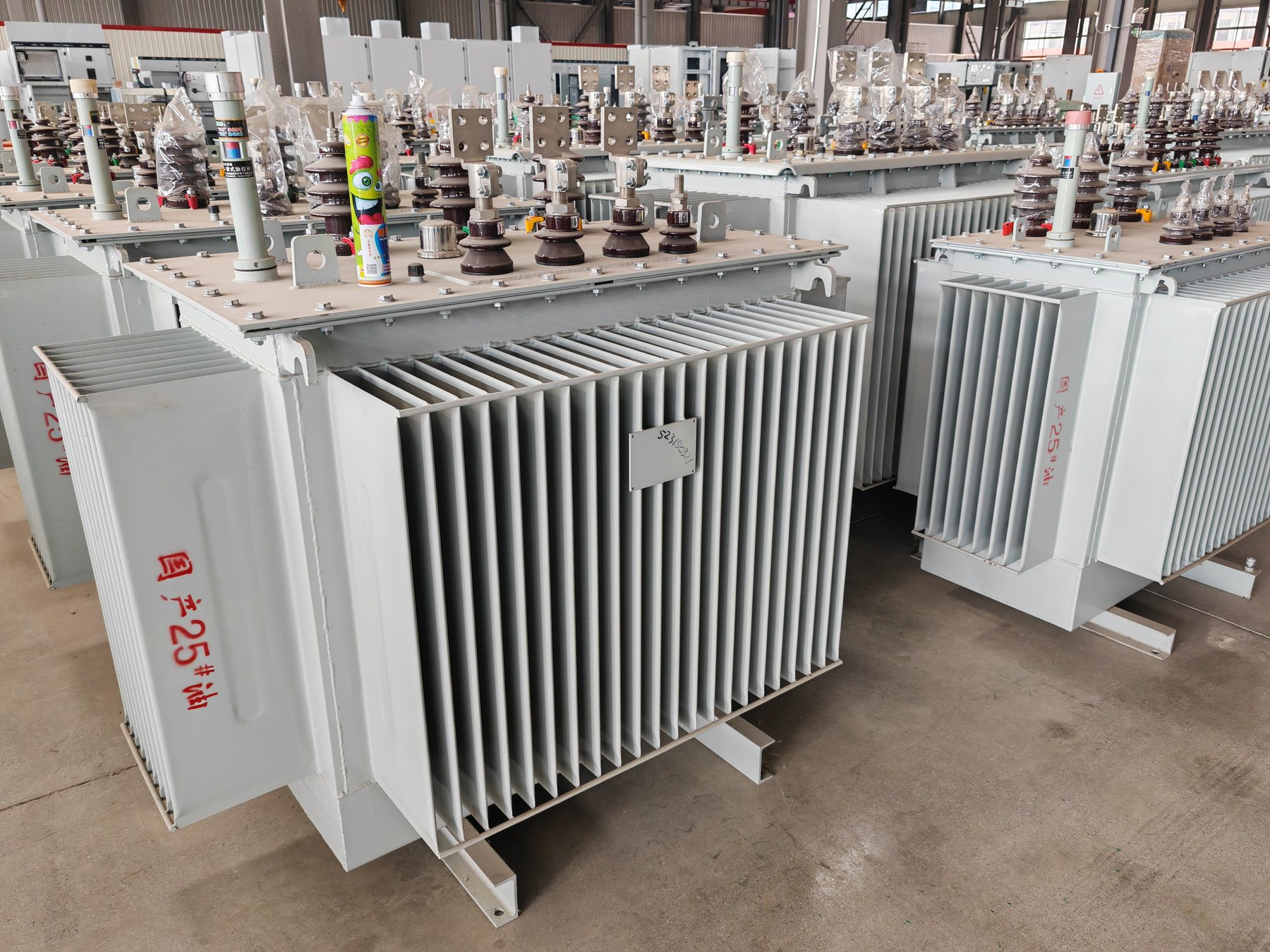
Replace a blanket compliance claim with a reviewable offer
A statement that a transformer complies with the specification is difficult to evaluate when the quotation contains different ratings, test assumptions or delivery boundaries. A technical deviation schedule makes those differences visible before price comparison and order release.
A UNDP-published distribution-transformer specification explicitly requests disclosure of deviations and completion of technical schedules. That is a real procurement example, not a universal contract rule. For your project, establish the required response format and approval authority in the enquiry.
Use one requirement per row
Reference the specification clause or drawing revision. Split combined clauses where a supplier might meet one part and differ on another. For example, cooling duty, sound requirement and temperature-rise conditions should not be hidden behind one row marked transformer performance.
| Reference | Required condition | Offered condition | Evidence/status |
|---|---|---|---|
| Electrical schedule | Specified voltage ratio and tap arrangement | Supplier's actual declared values | Data sheet reference; comply or deviation |
| Operating duty | Stated load and ambient conditions | Offered rating under identified conditions | Duty statement; engineering review |
| Physical interface | Approved terminal position and foundation limits | Offered drawing and dimensions | Drawing revision; interface approval |
| Testing | Named tests and witness/document requirements | Included tests, exceptions and delivery milestones | Test plan; agreed or open |
| Supply boundary | Accessories and external interfaces included | Itemized inclusions and exclusions | Scope schedule; commercial confirmation |
Avoid leaving a cell blank. Use a defined status such as confirmed compliance, proposed deviation, alternative offer, excluded scope or information pending. This prevents silence from being interpreted as acceptance.
An example of a deviation that crosses disciplines
Imagine a specification requires the existing LV busway connection to remain unchanged. A supplier proposes a different terminal arrangement and excludes the transition assembly. The equipment price may be lower, but the project now needs busway design, materials, installation time and possibly a longer shutdown.
The deviation row should identify all those consequences and their owners. Ask for the offered arrangement drawing, transition responsibility, additional lead time and commercial effect. The electrical designer can assess feasibility; the project team can then decide whether the alternative is acceptable. A purchasing signature alone should not stand in for the technical approval.
Keep alternatives separate from the compliant base offer
Where a supplier proposes an option, request a clear comparison with the base requirement. An alternative insulation system, cooling arrangement or test scope should not silently replace the requested offer. Show the price effect separately and document what must change in the installation or acceptance process.
Likewise, a promise to confirm after order is still open information. Decide which missing items can reasonably wait and which are necessary before selection. Foundation dimensions, terminal compatibility or a required rating may be critical to award; final serial-number test records naturally arrive later.
Close the register before manufacturing release
Assign each open row an owner, required evidence, decision date and final disposition. When a deviation is accepted, update the controlling data sheet, drawing or order attachment so the manufacturing team receives the same decision. Keep superseded versions traceable and avoid contradictory instructions across email, quotation and purchase order.
A final accepted register should support inspection as well as negotiation. The factory acceptance team needs to know which requirement applies after approved changes, not only what the original tender requested.
Send your clause-based schedule with the Jinxing transformer quotation request. Ask for an itemized response and supporting product documents. This process helps compare actual deliverables while keeping unconfirmed capacity, standards, tests and site interfaces visible until the responsible parties agree them.