Quick answer
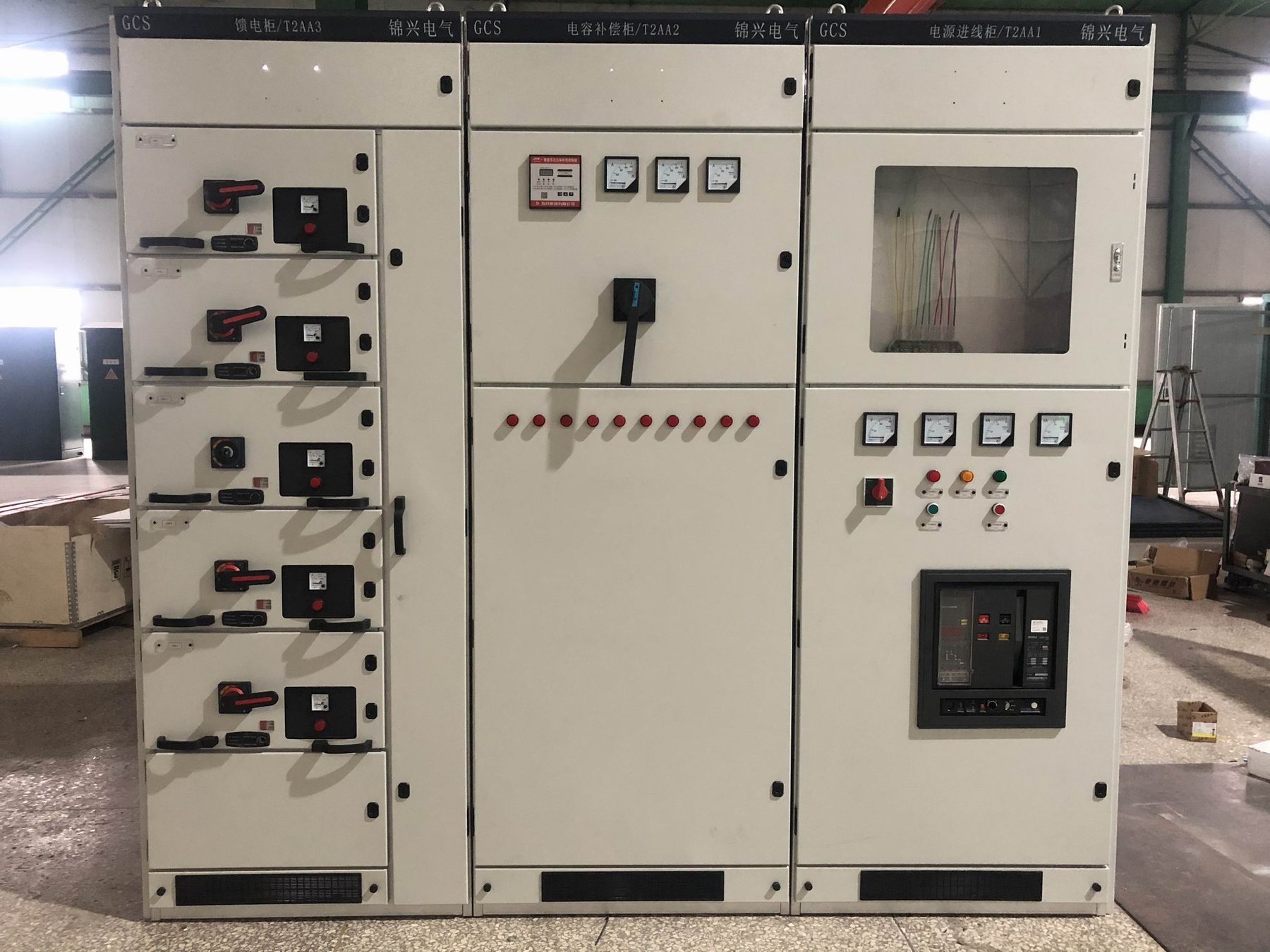
An LV switchgear metering specification should show every metering point on the single-line diagram and identify the associated feeder, CTs, meter, test links, communications, seals, terminals and responsible party. Separate utility billing meters from landlord energy monitoring and tenant sub-metering. Then state who supplies, installs, configures, tests and accepts each item. A panel described as “metering ready” is incomplete until the point of measurement and the terminal-to-data boundary are named.
Start with the building's measurement points
Multi-tenant projects often have more than one reason to measure energy. The utility may require a revenue meter at the service point, the landlord may track common services, and each tenant may need a separate allocation or management meter. These points can use different approval, accuracy, communications and access rules.
Draw the service incomer, main bus, tenant feeders, common-area feeders, generation or storage connection and any bypass or changeover path. Give every meter a stable tag. Do not infer that a meter on an outgoing feeder is a utility-approved billing point, or that a monitoring device has the same evidence requirements as a revenue meter.
| Measurement point | Decision to record | Boundary to assign |
|---|---|---|
| Utility or service incomer | Where does the network operator measure delivered energy and demand? | Utility standard, approved meter, CTs, seals and access |
| Landlord main or common services | Which loads are grouped for operating-cost reporting? | Building owner, meter supplier, data gateway and maintenance |
| Tenant outgoing feeder | Is this a billing, allocation or engineering monitoring point? | Tenant boundary, CT/meter package, cable and data owner |
| Generator, solar or storage feeder | Which import and export quantities must be visible? | Protection, metering, controller and utility interface |
| Spare or future feeder | Is a physical location reserved, or are CTs, wiring and meter space also included? | Installed items, reserved provisions and future work |
The schedule should show whether a point is primary, secondary, temporary or optional. This prevents a future meter position from being priced as a complete approved metering system.
Specify CTs and meters as an interface
The meter cannot be selected independently of the switchboard. Record the conductor arrangement, available space, CT mounting position, test access, shorting or test links, terminal numbering, protective segregation and cable route. The final CT ratio, accuracy class, burden and wiring method must follow the approved utility or project requirement; do not fill unknown values with a generic “Class 0.5” entry.
Also identify the meter function and data path. A local display, pulse output, Modbus connection, gateway and cloud dashboard are different deliverables. State whether the meter is supplied loose, installed in a metering compartment or provided by another contractor. Record time synchronization, communication ownership, address allocation and what happens when auxiliary power or communications fail.
The UK Power Networks page for large low-voltage commercial or industrial connections gives one utility-specific example of customer responsibilities for CT metering and connection cables. It is useful evidence that ownership must be written down, but its thresholds and rules do not automatically apply in another country. See the UK Power Networks CT metering responsibilities.
Keep assembly and metering approvals separate
IEC 61439-1:2020 provides general definitions, service conditions, construction requirements, technical characteristics and verification requirements for low-voltage assemblies. It does not by itself approve a utility meter, define a local revenue-meter accuracy rule or assign the building's commercial boundary. Apply the relevant assembly part and the project or utility requirements together. Read the IEC 61439-1 publication as standards context, not as a substitute for the approved metering schedule.
An ABB MNS catalogue shows energy-meter and feeder-monitoring options within a particular manufacturer's low-voltage system. That demonstrates why the meter, communication device and panel arrangement should be specified as a coordinated option. It does not establish a Jinxing offering or certify a multi-tenant installation. See the ABB MNS low-voltage switchgear catalogue.
Build one schedule that procurement can price
For each row, include the point tag, source and destination, feeder rating, measurement purpose, CT and meter arrangement, panel location, wiring, communications, documents, tests and owner. Add a column for “included now” and another for “reserved only.” This is more useful than a general statement such as “meters included as required.”
Consider a building with a main incomer, two common-service feeders and four tenant feeders. The buyer may request an approved service meter, monitoring meters for common services and tenant sub-meters with a shared data gateway. The switchboard quotation should distinguish the utility-approved equipment from the owner-managed devices, price the CTs and terminal links, and list the data handover. If one tenant later needs a different protocol, the change can be assessed against a known interface instead of reopening the entire panel design.
For technical comparisons, the low-voltage switchgear page is the product starting point. The protection CT versus metering CT guide and CT/VT burden and accuracy checklist cover related instrument-transformer decisions; this article focuses on the multi-tenant point schedule and ownership. The ACB main-incomer guide can be used when the incomer arrangement is still being selected. Send the approved one-line diagram and metering schedule through the project enquiry page for a configuration-specific quotation.
RFQ checklist
- Building service point, utility rules and approved metering authority.
- Single-line diagram with incomer, bus sections, tenant, common, generation and spare feeders.
- Purpose of every point: revenue, allocation, management or protection support.
- CT ratio, accuracy, burden, mounting, test links and shorting provisions when specified.
- Meter type, display, pulse or protocol output, gateway and data owner.
- Panel compartment, segregation, sealing, access, terminals and cable responsibility.
- Factory, site and utility tests, certificates, settings and handover records.
- Clear distinction between installed devices and reserved future space or wiring.
FAQ
Is a tenant sub-meter the same as a utility revenue meter?
No. A tenant sub-meter may support allocation or building management, while a utility revenue meter follows the network operator's approval and evidence requirements. The project must state which purpose applies at each point.
Can the switchgear supplier choose the CT ratio from the feeder rating?
Not without the approved metering requirement. The feeder rating is one input; the utility, meter, burden, wiring length, fault duty and measurement purpose may impose additional conditions.
Does IEC 61439-1 certify the accuracy of the installed energy meter?
No. It provides general LV assembly requirements and verification context. Meter accuracy, CT performance, sealing and utility acceptance need their own applicable requirements and tests.