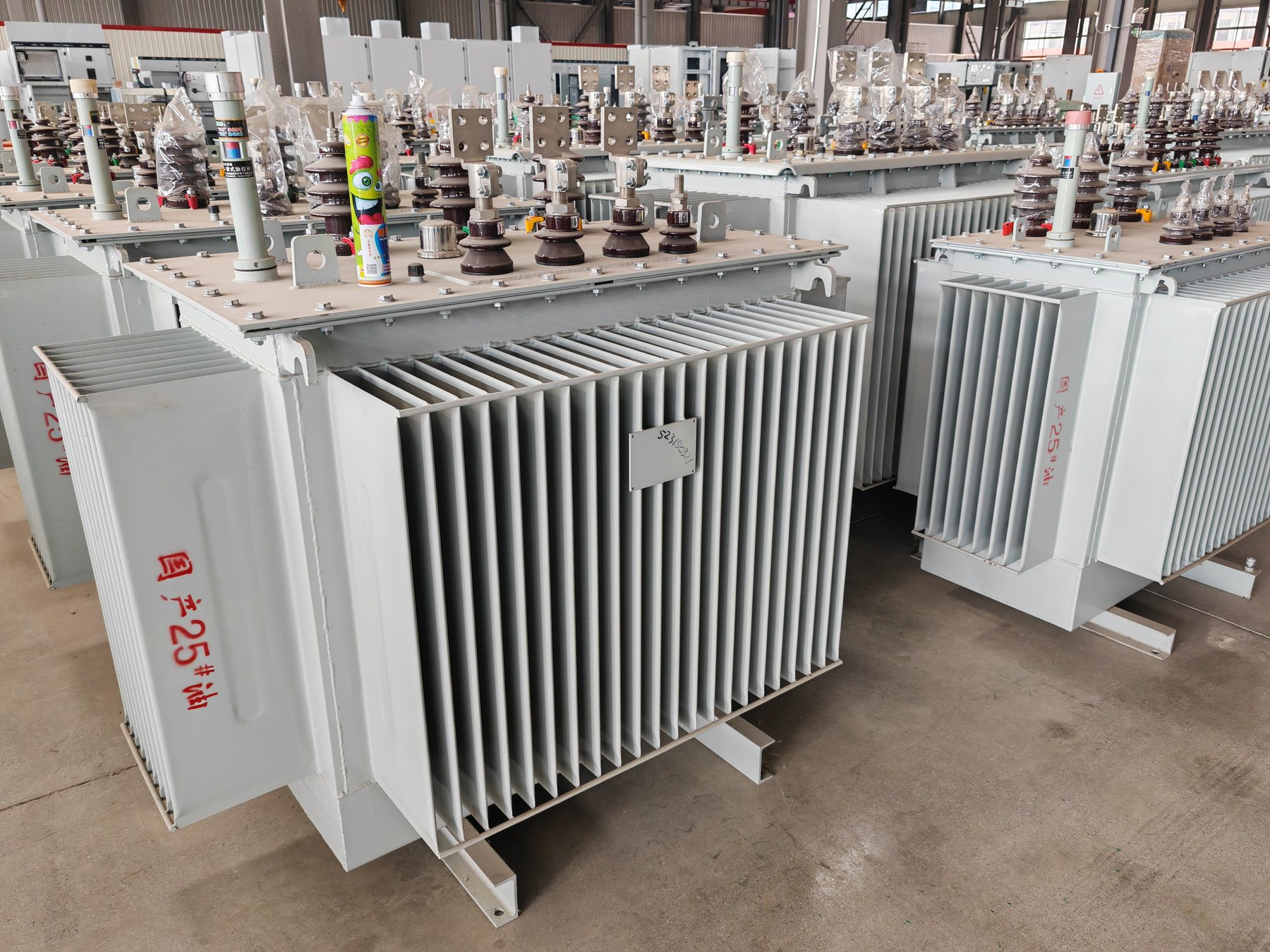
Running load is only one part of the selection
A motor can fit within the transformer’s continuous kVA allowance and still cause an unacceptable voltage dip when it starts. The disturbance can affect the motor, its control circuit and other equipment on the same bus. A purchasing schedule that lists motor kW but omits starting information leaves this issue unresolved.
Identify the worst credible starting event. It may be the largest motor, a loaded conveyor restarting after an interruption, or several pumps returning automatically. The relevant condition is the starting sequence with the other plant loads actually present, not an empty-bus calculation chosen because it produces a better result.
Ask for a starting-duty data sheet
| Data item | Why it is needed | Source of the information |
|---|---|---|
| Starting current and power factor | Establishes the transient electrical demand | Motor and starter supplier |
| Starting method and settings | Determines the proposed starting profile | Approved starter or drive selection |
| Acceleration time and load torque | Checks whether reduced voltage prolongs starting | Motor/mechanical package designer |
| Starts per hour and restart sequence | Establishes repeated thermal duty | Plant operating philosophy |
| Running loads on the bus | Identifies affected equipment and initial loading | Site load schedule |
| Source and cable impedances | Extends the study beyond the transformer | Utility data and electrical design |
Obtain current or kVA data for the actual configuration. A soft starter or drive should not be represented by an unverified generic reduction factor. If bypass operation or an alternative starting mode is allowed, include that state in the study.
Use a screening calculation to request the right study
Schneider Electric describes a simplified transformer motor-start voltage-drop estimate: starting current divided by transformer rated secondary current, multiplied by transformer percentage impedance. This is a screening approach, not the complete network result.
For an illustrative case, starting current equal to twice the transformer’s rated secondary current and transformer impedance of 6% give a screening estimate of 12%. These are hypothetical inputs, not Jinxing product ratings. The calculation omits the upstream supply, cables and the changing motor behaviour during acceleration. It therefore cannot decide whether a particular installation will start satisfactorily.
The project designer should compare the resulting motor-terminal voltage and bus voltage against the motor, starter and sensitive-load requirements. A universal allowable percentage is inappropriate when the connected equipment has different ride-through limits.
Compare solutions by the constraint they address
A larger transformer may reduce its own contribution to voltage dip, but changes cost, footprint and available fault current. A different starting method can reduce starting demand while changing torque and acceleration. A dedicated supply can separate the disturbance from other loads, while a revised start sequence may avoid overlapping events.
Request a short option table showing estimated starting performance, running efficiency, protection implications and changes to the mechanical process. The preferred option should solve the identified operating problem rather than simply maximize transformer kVA.
Turn the study into order requirements
Send the motor and starter data, approved starting sequence, load schedule and source information with the transformer quotation request. Ask for the offered impedance and its tolerance, continuous rating under the stated ambient conditions, and any limitations on the proposed repeated-start duty.
Record which supplier provides the transformer model, which party completes the network study, and who approves the motor acceleration result. Keep the selected motor starting settings with the final documentation so that later changes trigger a review instead of silently invalidating the original selection.