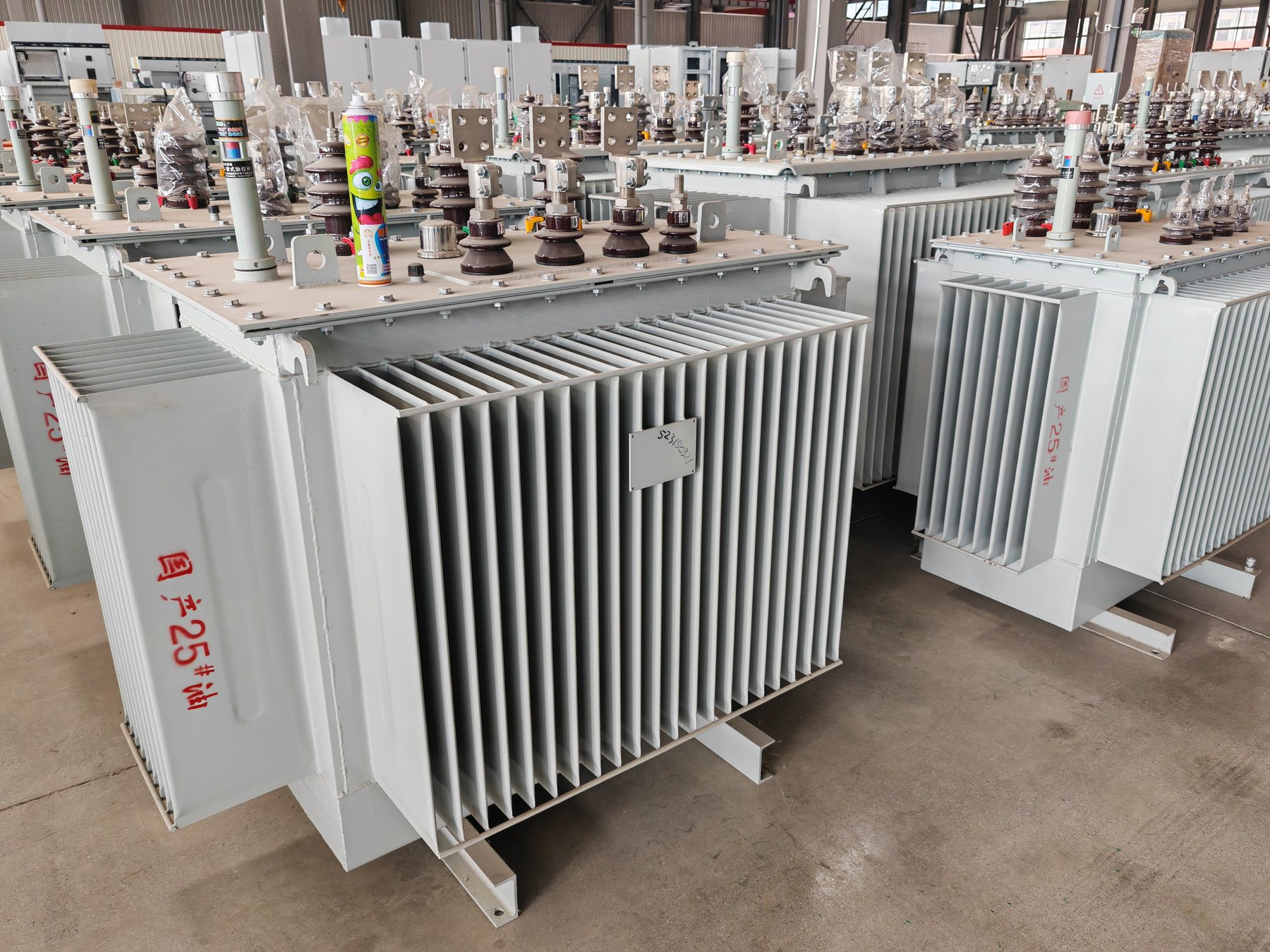
Treat energization and load faults as different study cases
A transformer can draw a transient magnetizing current when it is energized even with little or no connected load. This behaviour is different from normal load current and from the motor-starting duty downstream. A protection study needs enough information to distinguish these events while preserving the required fault protection.
The MV/LV transformer protection guide describes inrush as a consideration when coordinating the protection chain. Published general magnitudes are useful background, but they are not a substitute for data applicable to the offered transformer and energizing arrangement.
Build the brief around the actual switching sequence
Describe which breaker energizes the transformer, from which winding, and under which source conditions. Include restoration after an outage, transfer between sources and the possible energization of another transformer on the same supply. State whether downstream loads are already connected at the switching event.
| Required input | Document or data to request | Used to review |
|---|---|---|
| Transformer energization | Supplier's applicable current/time information and assumptions | Expected transient ride-through |
| Transformer withstand | Applicable damage/withstand information and rating basis | Protective clearing requirements |
| Upstream source | Fault levels and relevant network impedance | Available fault current and energization conditions |
| MV protection | CT data, relay type, available functions and proposed curves | Measurement and primary-side response |
| LV protection | Incomer and feeder characteristics/settings | Selectivity with downstream faults |
| Operating sequence | Permitted source and switching states | Whether the study covers actual plant operation |
Ask suppliers to identify the basis of their data. A peak current, an RMS current and a plotted time-current envelope describe different quantities. Record units and reference currents before placing them on one comparison sheet.
Example: replacing the transformer changes the study
A site may retain its existing breaker and relay when replacing a transformer of the same kVA. The maintenance team assumes the old settings remain valid. Yet the offered transformer’s impedance, energization characteristics or permitted duty may differ. The correct purchasing action is to ask the protection designer whether the existing study still applies and what additional supplier data is needed.
If unwanted trips have already occurred, provide event records with timestamps, operating sequence and device indications. A description such as trips sometimes does not reveal which protection element operated. The engineer should use those records to investigate the cause rather than treating every energization trip as proof that the setting is too low.
Keep the responsibility for settings explicit
The transformer supplier should provide its equipment data and declared limitations. The protection designer should integrate those data with the network and protective-device characteristics. The commissioning team should verify the approved protection functions and records using its qualified procedures.
Do not write a generic fixed inrush multiplier into every purchase order. Likewise, allowing expected energization current must not eliminate sensitivity to relevant low-current faults. The accepted arrangement needs a documented balance of selectivity, equipment protection and operating reliability.
Deliverables to request with the quotation
Attach the single-line diagram, switching philosophy, source data and existing protection schedule to the transformer quotation enquiry. Ask for the offered impedance, applicable inrush information, withstand documentation and any conditions that require further study.
Add a document milestone for the reviewed protection study before energization, together with responsibility for approved settings and final records. Keep later changes to transformer design, source configuration or switching sequence under the same review process. This makes the study part of the delivered installation rather than a disconnected tender attachment.