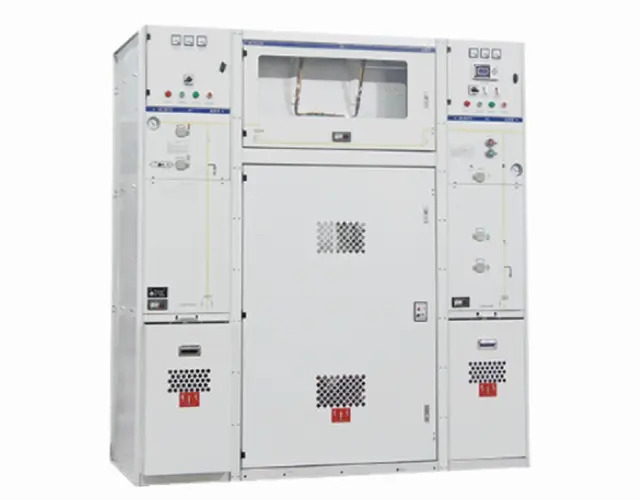
Direct Recommendation
Metal-clad and metal-enclosed switchgear terms describe different construction and compartmentation expectations, but project definitions vary by standard. Compare breaker arrangement, compartment segregation, shutters, interlocks, fault duty, access, maintenance, and the applicable specification before selecting a cabinet.
For utility substations, industrial plants, compact substations, infrastructure, and specification reviews, the useful deliverable is not another broad definition. It is a marked specification, a deviation list, and enough project information for a supplier to identify the correct equipment family. Start from Medium Voltage Switchgear; those pages define the current public Jinxing product scope.
Decision Summary
- Buyer intent: Technical comparison.
- Project context: utility substations, industrial plants, compact substations, infrastructure, and specification reviews.
- First evidence to prepare: the approved single-line diagram plus the equipment data sheet, load schedule, or feeder schedule that applies to this request.
- Expected supplier response: a model-family match, marked technical exceptions, applicable evidence, missing inputs, and a defined quotation boundary.
Product Scope Relevant to metal clad vs metal enclosed switchgear
The rows below are limited to products already published on the Jinxing website. Use them to identify the relevant family and voltage class, then verify the actual rating, arrangement, components, tests, and documents against the project specification.
| Jinxing product | Public voltage scope | Typical website application | Use this page to |
|---|---|---|---|
| HXGN-12/HXGN-24/HXGN-40.5 | 12kV / 24kV / 40.5kV | Ring networks and compact substations | Check the model family and send project-specific requirements |
| KYN28A-12/KYN28A-24/KYN61-40.5 | 12kV / 24kV / 40.5kV | Substations, factories, power plants | Check the model family and send project-specific requirements |
| JXHG-12/JXHG-24/JXHG-40.5 | 12kV / 24kV / 40.5kV | Feeder output and load distribution | Check the model family and send project-specific requirements |
Like-for-like comparison matrix
Comparison only becomes meaningful after every supplier is answering the same technical and commercial boundary. For metal clad vs metal enclosed switchgear, the review should produce the following evidence or decision at each stage.
| Review area | Question to close | Evidence or output |
|---|---|---|
| Ratings | Voltage, capacity/current, fault duty, impedance, cooling, and arrangement | Approved specification and single-line diagram |
| Components | Conductor, breaker, relay, metering, accessories, enclosure, and terminals | Supplier bill of materials or technical schedule |
| Verification | Routine tests, special tests, witness points, drawings, certificates, and manuals | Agreed inspection and document plan |
| Delivery scope | Packing, spares, shipping boundary, site services, warranty, and exclusions | Commercial clarification sheet |
Stop and clarify the offer when any of these red flags appear:
- Ranking quotations by total price before normalizing scope.
- Accepting a model label as proof of equivalent construction.
- Leaving losses, accessories, tests, or delivery terms blank.
Six Technical Decisions to Record
These six decisions are selected for the technical comparison behind metal clad vs metal enclosed switchgear.
| Decision | Why it changes the offer | Required project input |
|---|---|---|
| Equipment architecture | Confirm whether the project needs a transformer, a complete substation package, or a particular cabinet arrangement before comparing models. | Record the project value or mark it as an open equipment architecture clarification |
| Short-circuit duty | The single-line diagram and system study should define fault level, breaking duty, short-time withstand, and busbar requirements. | Record the project value or mark it as an open short-circuit duty clarification |
| Interlocks and operating sequence | Verify mechanical and electrical interlocks against the intended switching sequence and safety procedure. | Record the project value or mark it as an open interlocks and operating sequence clarification |
| Enclosure and access | Confirm IP expectations, room clearances, doors, lifting route, maintenance space, and whether exposed live parts need extra protection. | Record the project value or mark it as an open enclosure and access clarification |
| Maintenance strategy | Decide how isolation, inspection, replacement, cleaning, testing, and spare parts will be handled at the operating site. | Record the project value or mark it as an open maintenance strategy clarification |
| Applicable standards | State the project standard and utility rules in the RFQ; do not assume a sample report applies to every final configuration. | Record the project value or mark it as an open applicable standards clarification |
Engineering Review Notes
1. Equipment architecture
Confirm whether the project needs a transformer, a complete substation package, or a particular cabinet arrangement before comparing models. In the context of utility substations, industrial plants, compact substations, infrastructure, and specification reviews, write this decision into the metal clad vs metal enclosed switchgear data sheet and ask the supplier to mark any deviation. The review output should be a value, drawing reference, calculation input, or explicit technical clarification rather than an unrecorded assumption.
2. Short-circuit duty
The single-line diagram and system study should define fault level, breaking duty, short-time withstand, and busbar requirements. In the context of utility substations, industrial plants, compact substations, infrastructure, and specification reviews, write this decision into the metal clad vs metal enclosed switchgear data sheet and ask the supplier to mark any deviation. The review output should be a value, drawing reference, calculation input, or explicit technical clarification rather than an unrecorded assumption.
3. Interlocks and operating sequence
Verify mechanical and electrical interlocks against the intended switching sequence and safety procedure. In the context of utility substations, industrial plants, compact substations, infrastructure, and specification reviews, write this decision into the metal clad vs metal enclosed switchgear data sheet and ask the supplier to mark any deviation. The review output should be a value, drawing reference, calculation input, or explicit technical clarification rather than an unrecorded assumption.
4. Enclosure and access
Confirm IP expectations, room clearances, doors, lifting route, maintenance space, and whether exposed live parts need extra protection. In the context of utility substations, industrial plants, compact substations, infrastructure, and specification reviews, write this decision into the metal clad vs metal enclosed switchgear data sheet and ask the supplier to mark any deviation. The review output should be a value, drawing reference, calculation input, or explicit technical clarification rather than an unrecorded assumption.
5. Maintenance strategy
Decide how isolation, inspection, replacement, cleaning, testing, and spare parts will be handled at the operating site. In the context of utility substations, industrial plants, compact substations, infrastructure, and specification reviews, write this decision into the metal clad vs metal enclosed switchgear data sheet and ask the supplier to mark any deviation. The review output should be a value, drawing reference, calculation input, or explicit technical clarification rather than an unrecorded assumption.
6. Applicable standards
State the project standard and utility rules in the RFQ; do not assume a sample report applies to every final configuration. In the context of utility substations, industrial plants, compact substations, infrastructure, and specification reviews, write this decision into the metal clad vs metal enclosed switchgear data sheet and ask the supplier to mark any deviation. The review output should be a value, drawing reference, calculation input, or explicit technical clarification rather than an unrecorded assumption.
Applicable Evidence and Its Limits
The Jinxing website references GB/T 3906, IEC 62271 reference support for the relevant product families. These are standards families or project references to discuss. They are not a statement that every rating, arrangement, component, or optional test is automatically covered by the same document.
Public evidence available for early review includes:
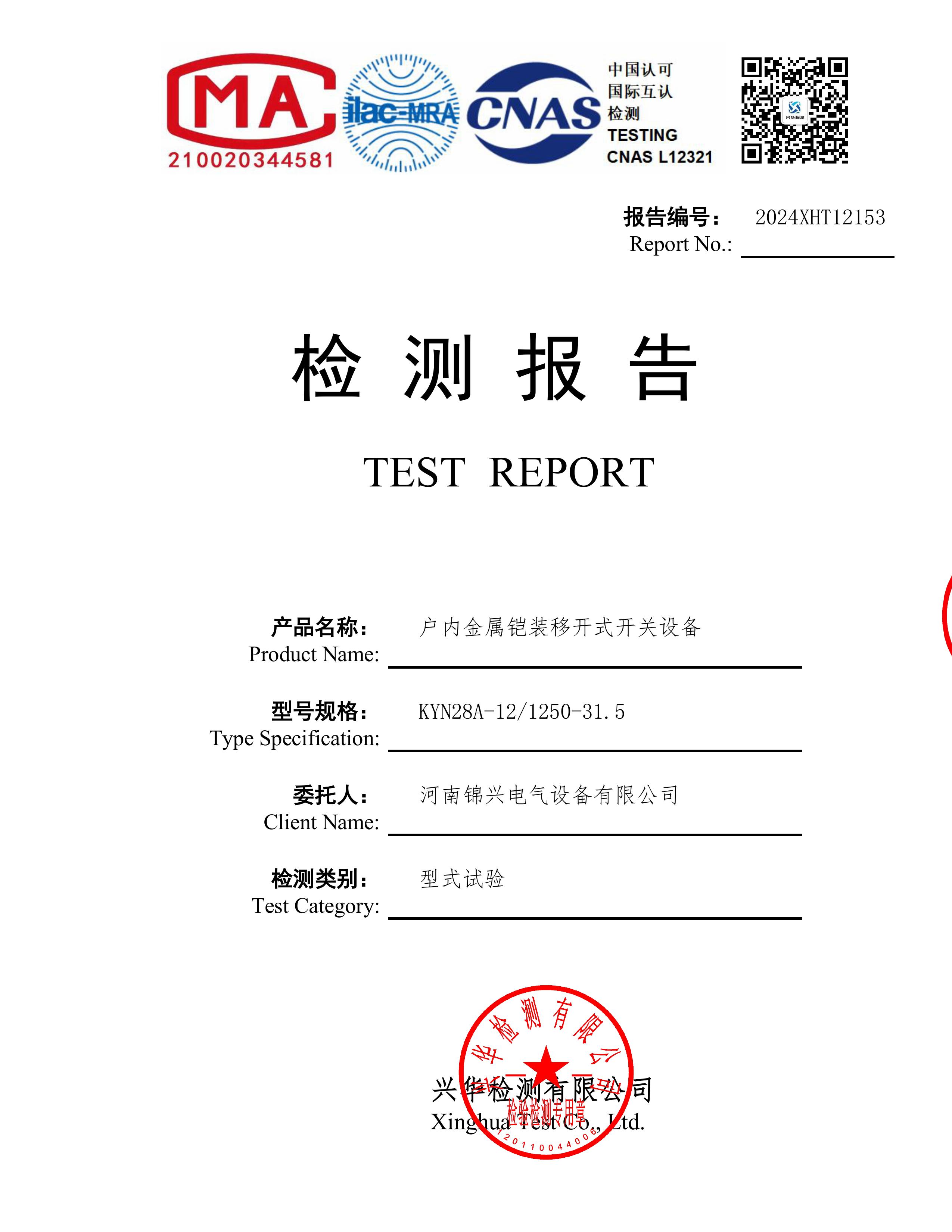
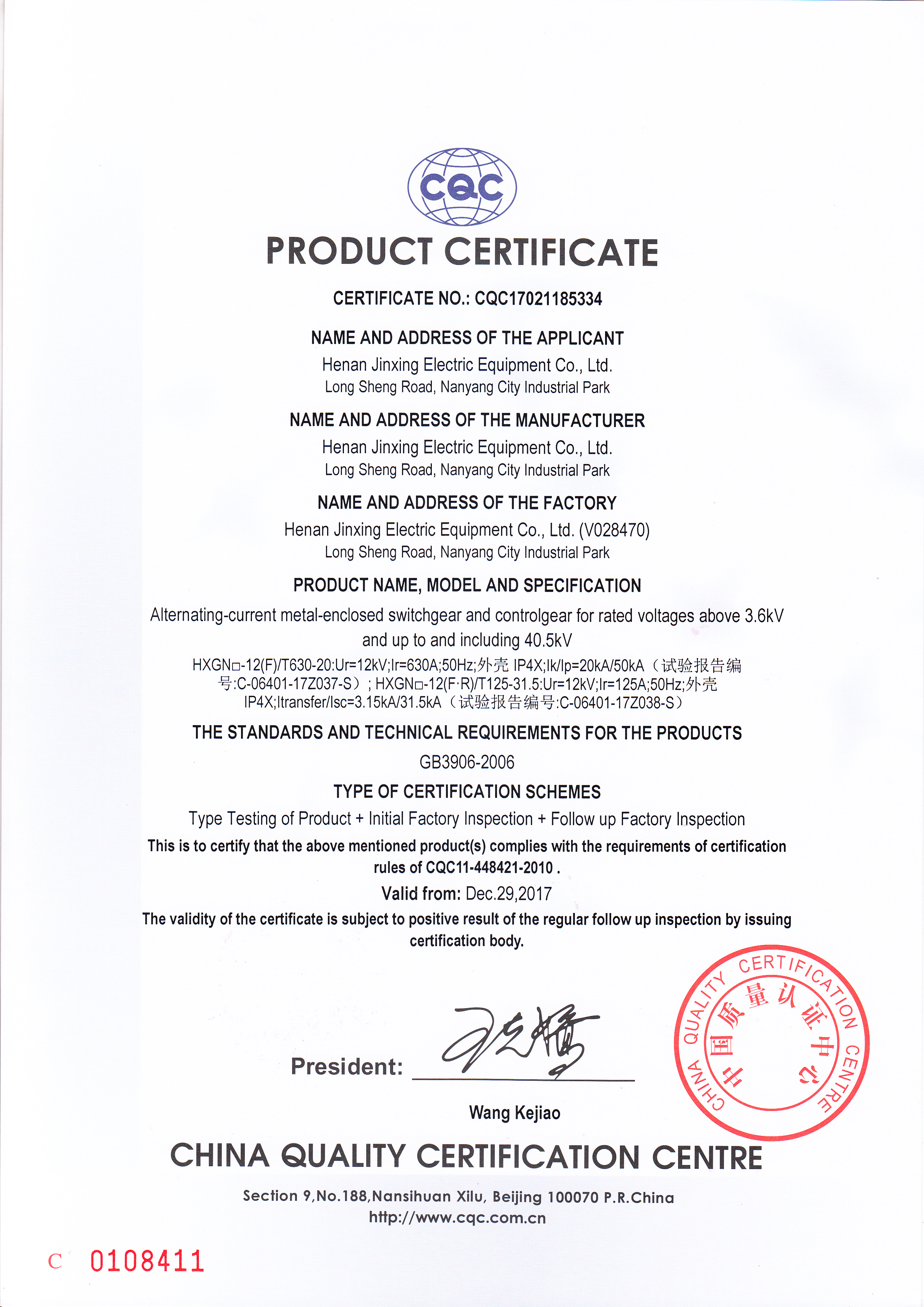
For this technical comparison, request a document register that ties each report, certificate, drawing, and routine test to the quoted model or project. Sample evidence supports early qualification; final acceptance records must match the approved configuration and contractual inspection plan.
RFQ Package for metal clad vs metal enclosed switchgear
Use this product-specific structure instead of sending only a keyword, catalogue request, or target price.
| RFQ section | Information to provide |
|---|---|
| Single-line diagram | Voltage, current, bus scheme, incomers, outgoing feeders, bus couplers, and future ways |
| Fault and switching duty | Fault level, short-time withstand, breaker or load-break-switch duty, and earthing switch |
| Protection and control | CT/VT data, relays, meters, control voltage, communication, and interlock logic |
| Physical scope | Cable sizes and entry, dimensions, internal arc requirement, tests, drawings, and delivery target |
Add the project name, inquiry stage, destination country, quantity, local utility or owner rules, trade terms, and delivery target. If information is not yet available, mark it as "to be confirmed" so the quotation can separate assumptions from confirmed requirements.
Related Guide Cluster
Continue with the closest guides in this product cluster:
- Medium-Voltage Switchgear Testing Guide
- Medium-Voltage Switchgear Manufacturers Checklist
- Custom Medium-Voltage Switchgear RFQ Guide
Send the Project to Jinxing
Use the Jinxing inquiry form to send the single-line diagram and completed RFQ fields. Ask for the closest Jinxing product match, a list of missing technical inputs, applicable document references, and a quotation that states inclusions and exclusions.
Editorial Scope
Research and drafting were assisted by keyword and generative tools. Product names, routes, public voltage classes, application descriptions, and evidence links were checked against the current Jinxing website data used by this publication workflow. Final engineering, compliance, price, and delivery details require project-specific written confirmation.